

 Travel Essentials
 Travel Essentials

Explore the surge in anti-tourism protests sweeping Europe, from Spain's streets to Italy's canals, and learn how travelers can navigate this evolving landscape responsibly.
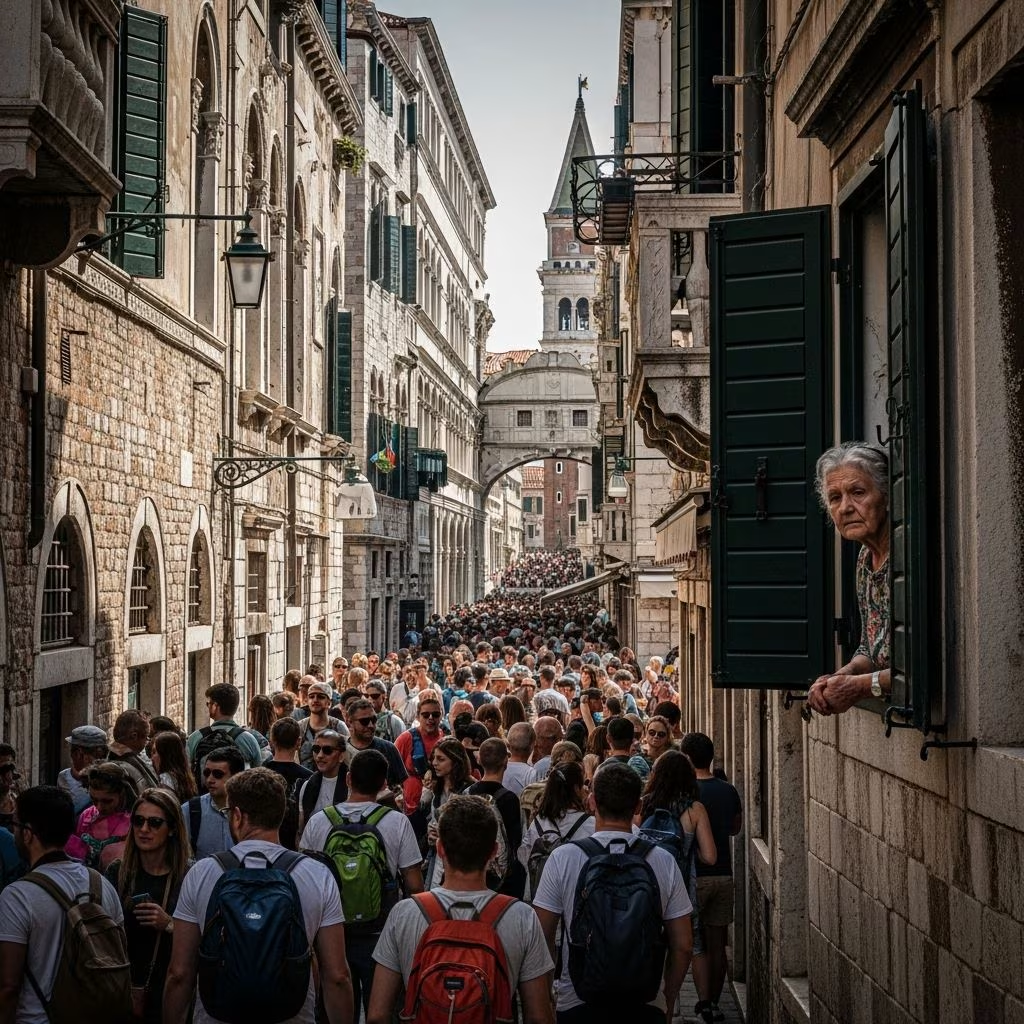 Travel Essentials
Europe’s iconic destinations are facing unprecedented pushback from residents fed up with the pressures of mass tourism. From crowded beaches in Spain to historic canals in Italy, locals are voicing their frustrations through protests, new regulations, and calls for change, reshaping the continent’s travel scene in profound ways.
The surge in anti-tourism sentiment stems from tangible strains on daily life. Skyrocketing housing costs, driven by short-term rentals like Airbnb, have priced many locals out of their own neighborhoods. Public services buckle under the weight of seasonal influxes, while everyday amenities prioritize visitors over residents. In popular hotspots, narrow streets overflow, water supplies dwindle, and noise pollution disrupts quiet living.
This isn’t mere grumbling; it’s a call for balance. Communities argue that tourism, once an economic boon, now extracts more than it gives back. Wages stagnate as jobs shift to low-pay hospitality roles, and cultural heritage risks dilution amid souvenir shops and chain eateries. Data from recent years shows visitor numbers rebounding post-pandemic, exacerbating these issues in cities unaccustomed to such volumes.
Several cities have become epicenters of this movement, each with unique grievances fueling large-scale demonstrations.
These locations illustrate a pattern: coastal and historic gems bear the brunt, where tourism density clashes with limited capacity.
Actions have escalated since 2024, evolving from petitions to bold street theater. In Spain’s Balearics and Canaries, May 2024 saw massive rallies criticizing unchecked expansion. June 2025 brought coordinated European efforts, with Barcelona’s marches featuring smoke and chants against holiday misery.
Switzerland witnessed nationwide demos in January 2026, blocking Bern streets and halting transit. Italy’s political marches, like Rome’s pro-Venezuela event, intersect with tourism controls. Tactics range from road blockades and hotel boycotts to apps tracking cruise arrivals, blending visibility with policy pressure.
| City/Region | Date | Key Demand | Impact on Travelers |
|---|---|---|---|
| Palma de Mallorca | May 2024 | Cap tourist numbers | Road closures, advisories |
| Barcelona | June 2025 | Limit short-term rentals | Police presence, delays |
| Bern, Switzerland | Jan 2026 | Protest rights | Transit suspensions |
| Venice | April 2026 onward | Entry fees | Added costs, queues |
| Genoa | June 2025 | Cruise restrictions | Symbolic disruptions |
Officials are responding with a mix of concessions and crackdowns. Spain’s Balearic leader advocated quality over quantity tourism. Venice’s fee trial targets peak days, exempting overnighters to favor meaningful stays.
Broader measures include cruise taxes in Palma, rental bans in Barcelona districts, and eco-levies in Greece. Northern Europe sees alerts for demos in Poland and Denmark. Travelers face advisories urging avoidance of crowds, with U.S. embassies highlighting risks from strikes to wildfires. These policies aim to redistribute benefits, but implementation sparks debate on effectiveness.
Beyond social woes, environmental tolls fuel outrage. Overcrowding strains water in drought-prone Mallorca and Greece, where wildfires rage amid heatwaves. Cruises guzzle fuel, polluting ports like Genoa. Economically, tourism contributes 10-15% to GDPs in hotspots, yet locals see little trickle-down amid inflation.
Sustainable alternatives emerge: off-season visits, rural stays, and public transport reduce footprints. Governments promote ‘quality tourism’—fewer but higher-spending guests supporting local businesses.
Navigating this landscape requires adaptation. Monitor embassy alerts and apps like ProtestWatch. Opt for shoulder seasons (April-May, Sept-Oct) to dodge peaks. Book responsible accommodations via platforms verifying local ownership.
Engage locals respectfully; many welcome thoughtful visitors. Spain remains hospitable despite headlines, emphasizing sustainability over bans.
Protests signal a tipping point, potentially leading to pan-European standards like visitor caps or AI-managed flows. Destinations like Fodor’s 2026 ‘no-go’ list highlight urgency. Positive shifts include Amsterdam’s rental curbs and Portugal’s eco-fees, models for others.
Travelers hold power: demand for ethical operators can drive change. Europe’s allure endures, but its future hinges on harmony between hosts and guests.
No, protests seek reform, not bans. Spain and Italy remain open with advisories for caution.
Housing shortages, resource strain, and cruise overload, building on 2024-2025 actions.
Day visitors pay on 20+ peak days from April 2026; book ahead to check.
Yes, with precautions: avoid demos, stay updated via official sources.
Go off-peak, use public transit, choose local stays, and minimize waste.
