

 Travel Essentials
 Travel Essentials

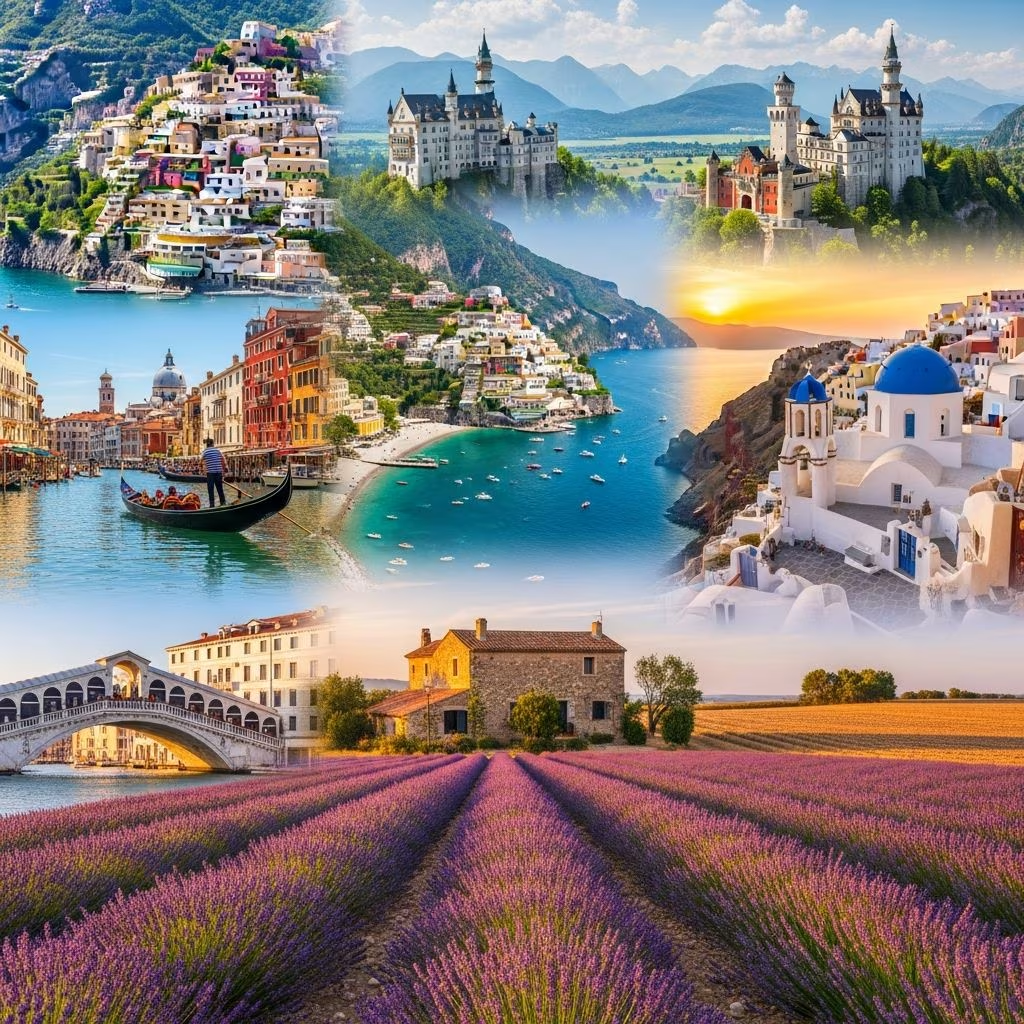
Explore Europe's most stunning natural wonders, from Alpine peaks to coastal paradises, featuring diverse landscapes ideal for adventure seekers and culture enthusiasts.
 Travel Essentials
Europe stands as one of the world’s most captivating continents, offering an extraordinary tapestry of landscapes, cultures, and natural phenomena. From towering mountain ranges to serene lakeside communities, the European continent presents visitors with opportunities to experience both dramatic geological formations and peaceful natural retreats. Whether you seek adventure in untamed wilderness or contemplation in tranquil settings, Europe delivers unforgettable experiences across its diverse regions.
The Alpine mountain range spans multiple countries and represents some of Europe’s most impressive natural architecture. These towering peaks create dramatic backdrops and offer world-class opportunities for outdoor enthusiasts. The combination of pristine wilderness and accessible trails makes Alpine destinations particularly appealing for visitors seeking both challenge and beauty.
Mountain parks within the Alpine region showcase nature’s raw power and artistic beauty simultaneously. Hikers encounter ecosystems that shift dramatically with elevation, revealing wildflower meadows at lower altitudes and stark, rocky terrain at higher elevations. The varied terrain supports diverse wildlife populations and creates photography opportunities at every season.
Within these mountain territories, specific protected areas preserve exceptional ecological significance. These conservation zones maintain environmental integrity while welcoming responsible visitors. The combination of geological wonder and ecological importance makes Alpine exploration both inspiring and meaningful.
Several European island destinations showcase volcanic origins that continue to shape their character today. These islands, born from geological upheaval, display dramatic topography and unique environmental conditions. Visitors encounter landscapes fundamentally different from continental European regions, with distinctive flora, fauna, and geological formations.
Volcanic islands present dynamic natural systems where geological processes remain visibly active. Visiting these destinations offers insights into Earth’s formation and the powerful forces that continue shaping our planet. The islands’ unique characteristics create distinct ecosystems and cultural environments shaped by their isolated geography.
Atlantic island clusters positioned far from continental Europe maintain distinctive climates and weather patterns. These remote locations offer escape from typical European tourist routes while providing authentic encounters with island communities and pristine natural environments. The isolation has preserved unique species and cultural practices found nowhere else.
Certain European coastlines showcase dramatic cliffs rising sharply from deep waters, creating some of the continent’s most visually striking landscapes. These coastal formations result from geological processes operating over millions of years, carving intricate patterns into rocky shores. The combination of mountain peaks and Mediterranean or Atlantic waters creates photographic compositions of exceptional beauty.
Mediterranean coastal towns showcase architectural heritage intertwined with natural grandeur. Ancient structures built by civilizations spanning centuries line shores where crystal-clear waters reflect surrounding peaks. These locations offer cultural immersion alongside natural beauty, creating multifaceted travel experiences.
Atlantic coastlines display different characteristics, with wilder weather patterns creating dramatic seascapes. The rugged nature of these coasts appeals to visitors seeking authentic encounters with powerful ocean forces. Coastal walks reveal hidden coves, sea caves, and viewpoints that showcase nature’s sculptural abilities.
Europe contains numerous lakes of exceptional beauty, many situated within mountain valleys or national park boundaries. These freshwater bodies reflect surrounding peaks and forests, creating mirror-like surfaces during calm weather. The combination of water, mountains, and vegetation produces landscapes of remarkable tranquility.
Certain Alpine lakes have achieved legendary status among travelers for their crystalline clarity and dramatic settings. The intense blue coloration results from specific mineral compositions and glacial origins. These lakes attract visitors seeking both aesthetic appreciation and recreational activities including swimming, boating, and shoreline exploration.
Cascading waterfalls represent another category of freshwater attraction, where water descends dramatically through multiple levels. Some waterfalls plunge hundreds of meters, creating powerful displays of hydrological force. These features often anchor national parks and protected areas, serving as focal points for visitor infrastructure and trail systems.
Between mountain ranges, European valleys create pastoral landscapes of remarkable fertility and beauty. Agricultural traditions spanning centuries have shaped these spaces into cultural and ecological mosaics. Visitors exploring these areas encounter traditional farming practices, historic villages, and countryside scenery that inspired European artistic movements.
Some valley regions maintain agricultural systems emphasizing sustainability and local food production. Vineyards cascade down hillsides in specific regions, creating distinctive visual patterns while supporting wine-making traditions. Visitors can engage with local communities, sample regional products, and understand how humans have shaped European landscapes through generations of careful management.
These pastoral landscapes offer respite from more dramatic natural features while showcasing human-nature relationships developed over centuries. Walking trails traverse vineyard terraces and village pathways, providing intimate perspectives on rural European life.
| Season | Alpine Regions | Coastal Areas | Lake Destinations |
|---|---|---|---|
| Spring | Snowmelt creates spectacular waterfalls and accessible hiking begins | Moderate temperatures and fewer crowds make exploration comfortable | Warming water temperatures support increased recreational activities |
| Summer | Peak hiking season with all trails accessible and long daylight hours | Warm Mediterranean waters and maximum sunshine ideal for beach activities | Perfect for swimming and water sports with stable weather conditions |
| Autumn | Changing foliage creates vibrant colors and clearer air improves visibility | Waters remain warm while crowds diminish significantly | Reflections become particularly striking during calm autumn mornings |
| Winter | Snow transforms landscapes and creates unique photography opportunities | Fewer visitors and dramatic storm-driven seascapes create atmospheric beauty | Frozen or near-frozen conditions create ethereal winter landscapes |
For Adventure Seekers: Mountain hiking, rock climbing, and trail running opportunities exist throughout Alpine regions. Challenging multi-day treks connect mountain valleys and expose hikers to diverse ecosystems and panoramic vistas.
For Water Enthusiasts: Lakes and coastal areas support kayaking, swimming, and diving activities. Certain locations feature underwater geological formations and marine ecosystems worthy of exploration.
For Photography Enthusiasts: Dramatic landscapes and varied lighting conditions throughout seasons provide endless compositional possibilities. Early morning light and golden hour conditions create particularly striking images.
For Culture and History Explorers: Ancient ruins, medieval fortifications, and architectural heritage sites populate European countryside and coastal regions. Many natural destinations contain cultural layers revealing human occupation and development across centuries.
Transportation networks throughout Europe facilitate access to even remote natural destinations. Train systems connect major gateways, while local transit options serve smaller communities. Walking and hiking provide transportation methods allowing intimate landscape engagement.
Accommodation options range from luxury resorts to budget-friendly hostels and mountain refuges. Many remote natural areas maintain rustic lodging preserving authentic local character. Planning accommodations in advance ensures access to preferred locations during peak seasons.
Weather conditions vary dramatically across regions and seasons, necessitating appropriate preparation. Mountain areas experience rapid weather changes requiring layers and protective equipment. Coastal regions display oceanic climate characteristics with seasonal wind and precipitation variations.
Visiting Europe’s natural treasures carries responsibility for preservation and protection. Many destinations implement carrying capacity limits and permit systems ensuring sustainable visitor numbers. Following established trail systems, respecting wildlife boundaries, and minimizing environmental impact preserve destinations for future visitors.
Local communities depend on tourism revenue while managing environmental pressures from visitor presence. Supporting local businesses, respecting cultural practices, and engaging authentically with communities ensures tourism benefits extend beyond government and commercial entities.
Conservation efforts protect rare species and fragile ecosystems within popular destinations. Understanding these initiatives and participating in responsible tourism practices strengthens conservation outcomes.
European destinations combine natural beauty with extensive infrastructure and accessibility. Unlike remote wilderness areas requiring specialized preparation, many European natural wonders accommodate visitors with varying experience levels and physical abilities.
Historical development has created distinctive European landscapes reflecting centuries of human habitation. Ancient civilizations, medieval kingdoms, and modern nations have each contributed layers to contemporary European character. Natural features often frame cultural monuments, creating interwoven natural-cultural experiences.
European destinations showcase temperate climate ecosystems with seasonal variations creating perpetually changing landscapes. Visitors returning seasonally encounter dramatically different environmental conditions and aesthetic experiences.
Summer provides optimal conditions with accessible trails and stable weather, though spring and autumn offer exceptional beauty with fewer crowds and unique photographic qualities.
Major Alpine parks, famous Mediterranean islands, and well-known lake regions offer excellent infrastructure and easy accessibility for visitors new to European natural attractions.
Many destinations feature trails and activities suitable for varying skill levels. However, challenging terrain and altitude in mountain regions benefit from prior hiking experience and physical fitness.
Each season presents distinct advantages and challenges. Summer offers maximum accessibility and activity opportunities, while other seasons provide fewer crowds, unique atmospheres, and specific seasonal attractions.
Overtourism in certain locations, climate change impacts on glaciers and snow, and habitat disruption from visitor presence represent significant concerns. Responsible tourism practices mitigate negative environmental effects.
Successful European destination visits require balancing spontaneity with strategic planning. Researching transportation options, accommodation availability, weather patterns, and activity opportunities helps create fulfilling experiences. However, leaving room for serendipitous discoveries maintains travel authenticity and allows natural curiosity to guide exploration.
Combining multiple destination types creates diverse travel experiences. Pairing mountain exploration with coastal relaxation or village cultural immersion with urban exploration produces well-rounded European adventures. Building travel itineraries around seasonal advantages ensures optimal conditions for specific destinations.
Engaging with local communities, learning basic regional languages, and participating in traditional activities enriches travel experiences beyond aesthetic appreciation. These connections create meaningful memories and support local economies through authentic engagement.
