

 Travel Essentials
 Travel Essentials

Comprehensive guide to trekking Everest Base Camp: detailed itineraries, preparation essentials, route variations, health tips, and costs for Nepal's premier high-altitude hike.
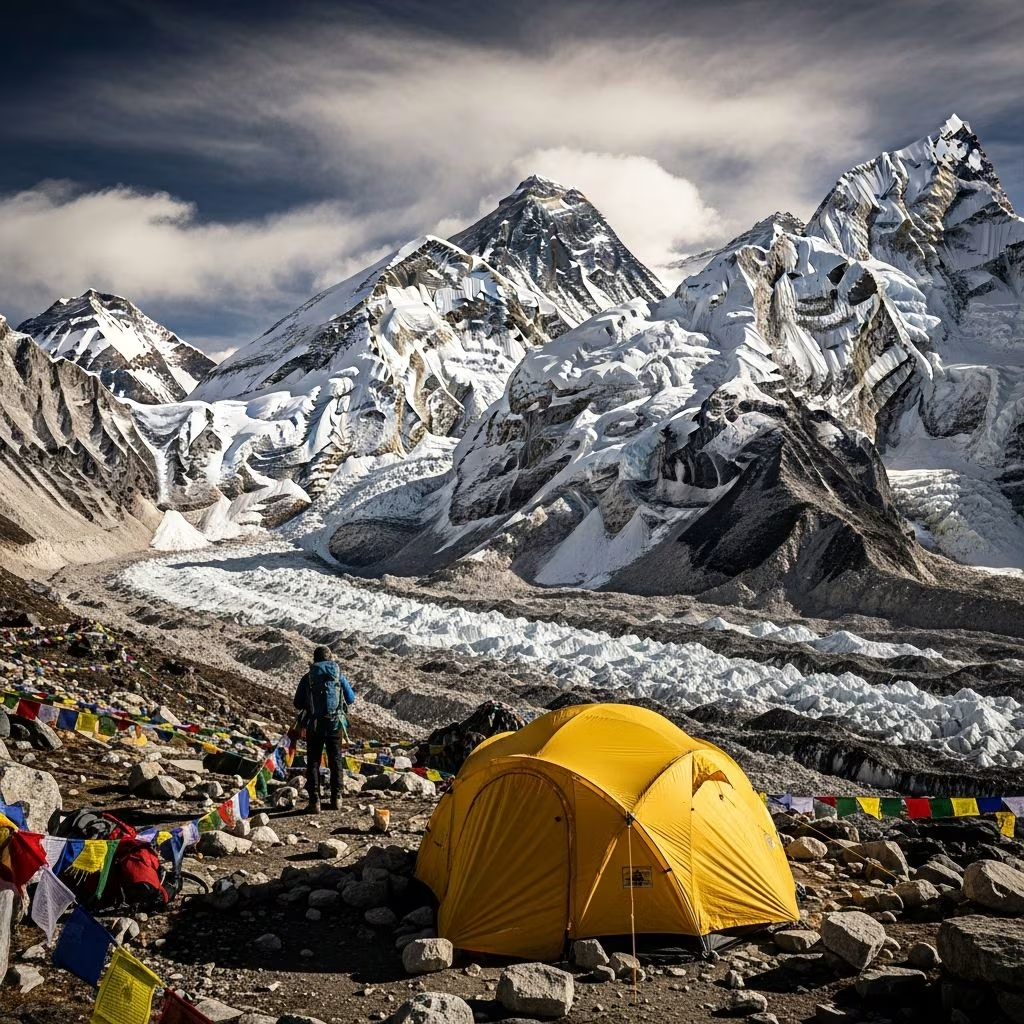 Travel Essentials
Embarking on the Everest Base Camp (EBC) trek offers trekkers a profound journey through Nepal’s Khumbu region, culminating at the foot of the world’s highest mountain at 5,364 meters. This strenuous yet rewarding adventure typically spans 12 to 14 days round-trip from Lukla, demanding careful preparation for altitude, weather, and terrain challenges.
The EBC trek stands out for its blend of cultural immersion in Sherpa villages, breathtaking vistas of peaks like Everest, Lhotse, and Ama Dablam, and the personal triumph of reaching base camp. Unlike summit climbs, it’s accessible to fit individuals with moderate fitness, providing a taste of extreme mountaineering without technical skills.
Success hinges on pre-trek fitness, gear selection, and logistical planning. Start training 3-6 months ahead with cardio (running, cycling), strength exercises, and stair climbing to simulate ascents.
Aim for 10-15 km daily hikes with a backpack. Consult a doctor for high-altitude suitability; those with heart, lung, or blood conditions should avoid it. Vaccinations for hepatitis, typhoid, and rabies are advised.
Nepal requires a Sagarmatha National Park permit (USD 30) and TIMS card (USD 20) for independent trekkers. Guided groups handle these. Fly into Kathmandu, then Lukla via turboprop (contingency: Manthali flights during peak season).
| Permit Type | Cost (USD) | Where to Get |
|---|---|---|
| Sagarmatha National Park | 30 | Park office or agency |
| TIMS Card | 20 (independent) | Trekking Agencies’ Association |
| Khumbu Pasang Lhamu Rural Municipality | 20 | Local checkpoints |
The standard route is an out-and-back from Lukla (2,860m) to EBC (5,364m), incorporating acclimatization days to prevent acute mountain sickness (AMS).
Day 1: Fly Kathmandu to Lukla (35-min flight), descend to Phakding (2,610m, 3-4 hours, 8km). Ease into the trail amid pine forests and Dudh Koshi River.
Day 2: Phakding to Namche Bazaar (3,440m, 5-6 hours, 10km). Steep climb past Benkar and Monjo; enter Sagarmatha National Park.
Day 3: Rest in Namche; optional hikes to Everest View Hotel (3,880m) or Thame village for views of Kwangde and Thamserku.
Day 4: Namche to Tengboche (3,860m, 5 hours). Descend to Phunki Thanga, ascend to the renowned monastery with Ama Dablam panoramas.
Day 5: Tengboche to Dingboche (4,360m, 5 hours). Pass Deboche and Pangboche; alpine scenery emerges.
Day 6: Acclimatize in Dingboche with hikes to Nagarjun Hill (5,100m) for Pheriche Valley views.
Day 7: Dingboche to Lobuche (4,940m, 4-5 hours). Cross Thukla Pass memorials to climbers.
Day 8: Lobuche to Gorak Shep (5,164m, 3 hours), then EBC (1.5-2 hours round-trip). Navigate Khumbu Glacier boulders to the prayer flag-adorned camp; no Everest view here.
Day 9: Pre-dawn Kala Patthar (5,545m) for Everest sunrise, descend to Pheriche (4,240m).
Retrace via Namche (Day 10), Phakding (Day 11), fly out Day 12. Extra days buffer weather delays.
Layer for -20°C nights; waterproof everything. Porters carry main loads (15kg limit).
| Category | Essentials |
|---|---|
| Clothing | Down jacket, thermals, fleece, waterproof pants/jacket, gloves, hat, 4-5 t-shirts, trekking pants |
| Footwear | Broken-in boots (Gore-Tex), gaiters, camp shoes, thick socks |
| Sleep & Health | 4-season sleeping bag, AMS meds (Diamox), water purifier, sunscreen (SPF50+), first-aid kit |
| Tech & Misc | Power bank, headlamp, trekking poles, dry bags, snacks |
AMS affects 50% above 3,500m; symptoms include headache, nausea. “Climb high, sleep low” rule is key. Hydrate (4L/day), monitor with pulse oximeter. Guides mandatory for independents per 2023 rules.
USD 1,200-1,800/person for 12 days (group of 4+). Includes guides (USD 30/day), porters (USD 20/day), food (USD 25-35/day), Lukla flights (USD 200 RT).
| Expense | Estimated Cost (USD) |
|---|---|
| Guide + Porter | 700-900 |
| Flights KTM-Lukla | 200 |
| Accommodation/Meals | 400-500 |
| Permits | 70 |
| Insurance/gear | 150 |
Book via reputable agencies; March-May or Sept-Nov ideal.
Expect basic lodges with shared dorms (USD 5-40/night), dal bhat meals, solar showers. Dingboche+ scarcer; bring snacks. WiFi spotty, cash-only.
Low risk with precautions; AMS main concern. 1% need evacuation.
Yes, since 2023 for non-Nepalis; enhances safety, navigation.
Pre-monsoon (Mar-May), post-monsoon (Sept-Nov) for clear skies.
Moderate fitness required; not for couch potatoes.
Boulders, sign, prayer flags, glacier; views from Kala Patthar.
This trek transforms participants, blending physical endurance with spiritual serenity amid giants. Prepare thoroughly for memories lasting a lifetime.
