

 Travel Essentials
 Travel Essentials

Comprehensive guide to Everglades National Park: plan your visit, explore key entrances, trails like Anhinga and Shark Valley, paddling options, best times, and wildlife viewing tips.
 Travel Essentials
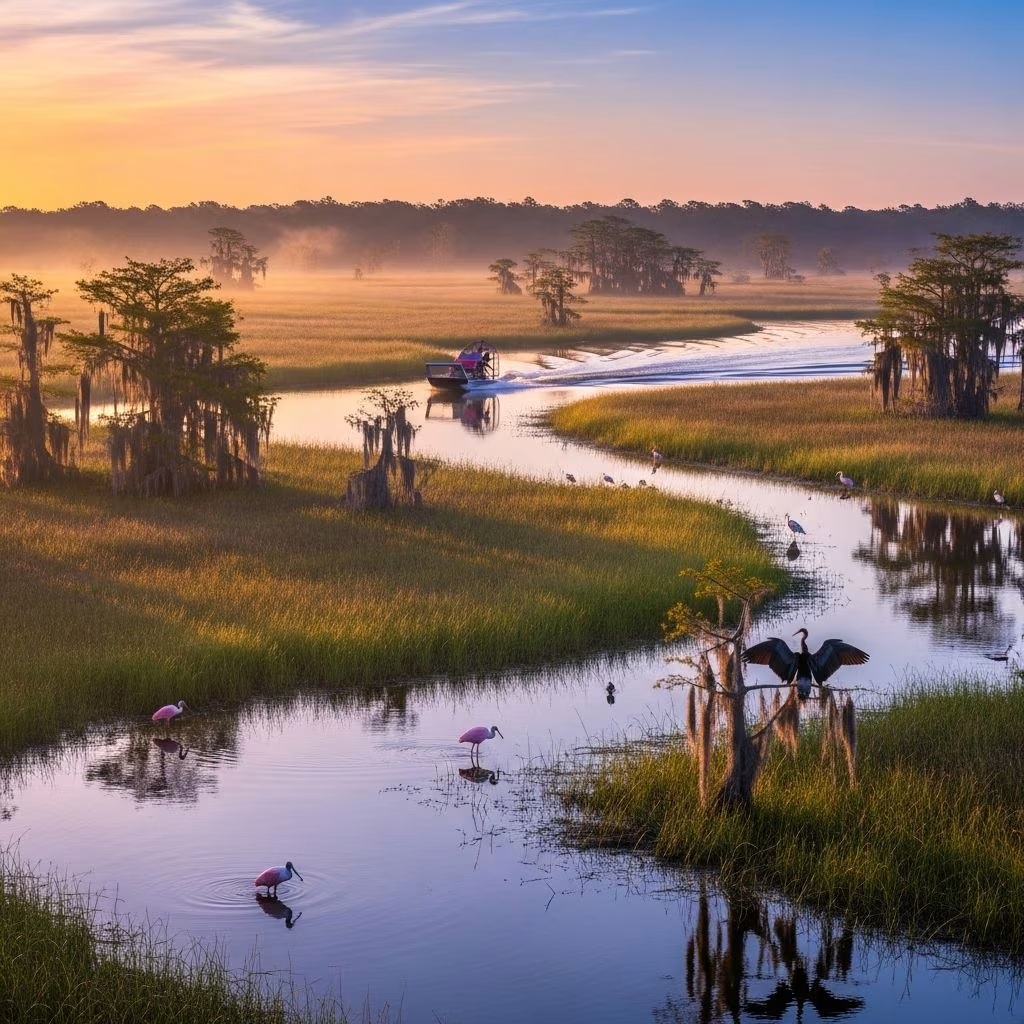
Everglades National Park safeguards 1.5 million acres of diverse wetland, forest, and marine environments, home to unique plants and animals in southern Florida. This vast subtropical wilderness, often called the River of Grass, offers unparalleled opportunities for wildlife observation, paddling, and hiking amid sawgrass prairies, mangrove forests, and pine rocklands.
The park’s ecosystem thrives as a slow-moving river of freshwater flowing southward from Lake Okeechobee to Florida Bay, supporting iconic species like alligators, manatees, and wading birds. Designated a World Heritage Site and Wetland of International Importance, it features habitats from sloughs and hammocks to coastal bays, making it a biodiversity hotspot.
Everglades National Park spans multiple disconnected sections, requiring separate entries for full exploration. Key gateways include:
Note that no through-roads connect these areas; plan highway travel between them.
Start at these hubs for maps, exhibits, and program schedules:
Short, accessible boardwalks and loops deliver close-up views of the park’s inhabitants. Here’s a curated selection:
| Trail Name | Location | Highlights | Duration |
|---|---|---|---|
| Anhinga Trail | Royal Palm | Alligators, wading birds, turtles in sawgrass marsh; elevated boardwalk. | 30-45 min |
| Gumbo Limbo Trail | Royal Palm | Tropical hardwood hammock with gumbo-limbo trees; shaded loop. | 20-30 min |
| Pinelands Trail | Main Park Road | Pine rockland forest, bird songs, interpretive signs. | 30 min |
| Mahogany Hammock | Main Park Road | Towering mahogany trees, solution holes, orchids. | 20-30 min |
| Pa-hay-okee Overlook | Main Park Road | Panoramic sawgrass prairie views. | 15 min |
| Snake Bight Trail | Near Flamingo | Coastal trail to bay for birdwatching. | 1-2 hours |
This 15-mile gravel loop from Shark Valley Visitor Center stands out for its wildlife density. Rent bikes for a 2-hour pedal, hop a 2-hour tram tour narrated by rangers, or walk sections. The 65-foot observation tower crowns the midway point with 360-degree vistas of river slough and distant prairies—prime for spotting alligators and otters.
Kayaking and canoeing immerse you in serene waterways. Launch from Gulf Coast for mangrove tunnels in Ten Thousand Islands or Flamingo for Florida Bay paddles. Rentals and guided tours available at Flamingo Marina and Gulf Coast; expect manatee sightings and bird flocks in calm waters.
The dry season (November to April) delivers cooler temps (60-80°F), lower humidity, and concentrated wildlife near water sources—peak for visits. Wet season (May-October) brings heat, rain, and mosquitoes but fewer crowds and active bird nesting.
Park open 24/7, but entrances staffed daily (e.g., Shark Valley 8:30AM-6PM). Entrance fee: $35/vehicle (7 days).
Prepare for sun, bugs, and hydration:
Stay on trails, maintain 15-foot distance from alligators, and check weather apps.
Enhance your trip with free ranger talks, walks, and evening programs at Royal Palm, Shark Valley, Flamingo, and Gulf Coast. Schedules on NPS site; topics cover ecology, history, and wildlife.
Private options: Airboat thrill rides (outside park), eco-boat tours, fishing charters.
Primitive camping at Long Pine Key, Flamingo, and backcountry sites requires permits. Nearby Homestead hotels or Everglades City lodges for comfort. No park lodges.
Dawn/dusk yield best sightings: American alligators patrol marshes, anhingas perch with wings spread, roseate spoonbills flash pink in mangroves. Rare manatees grace coastal waters; listen for panther calls in remote glades (elusive).
Allow 2-3 days for comprehensive coverage.
Dry season mornings or late afternoons along Anhinga Trail or Shark Valley, when they bask near trails.
No—pets prohibited on trails, boardwalks, and backcountry to protect wildlife. Allowed in parking lots on leash.
Yes, at Shark Valley (bikes/trams) and Flamingo/Gulf Coast (kayaks/canoes).
Yes, with boardwalks and short trails; supervise kids near water and wildlife.
About 1 hour one-way (38 miles) from Ernest Coe to Flamingo; stop at trails.
Human impacts like drainage and pollution threaten this fragile system—practice Leave No Trace, support restoration efforts.
