 Stays
StaysStays
Fashion Designer Hotels: Luxury Hospitality Meets High Style
Explore curated hotel collections designed by prestigious fashion brands, from Armani's minimalist elegance to Versace's opulent aesthetics across global destinations.
 Stays
StaysThe intersection of high fashion and hospitality has transformed how travelers experience luxury accommodations. When renowned fashion designers extend their creative vision beyond clothing and accessories into the realm of hotels and resorts, they create immersive environments where every architectural element, furnishing choice, and design detail reflects their distinctive aesthetic philosophy. These establishments represent more than mere places to rest; they embody the brand ethos and offer guests the opportunity to inhabit spaces infused with the same meticulous attention to style and quality that defines the designer’s primary collections.
The Evolution of Designer-Driven Hospitality
The trend of fashion houses venturing into hotel management represents a natural evolution of luxury branding. Rather than simply licensing their names to hospitality groups, visionary designers and fashion conglomerates are taking creative control over every aspect of the guest experience. This approach allows them to establish complete environments where brand identity permeates from the lobby design through to custom amenities in guest suites. The movement gained significant momentum in the early 2010s when multiple established fashion houses recognized the opportunity to deepen consumer relationships through experiential luxury travel.
What distinguishes these designer hotels from conventional luxury properties lies in their intentional storytelling. Each property becomes an extension of the designer’s creative narrative, whether through color palettes inspired by runway collections, architectural elements referencing the brand’s heritage, or bespoke furnishings exclusive to the establishment. Guests don’t simply occupy rooms; they inhabit three-dimensional interpretations of the fashion house’s design philosophy.
Architectural Grandeur Meets Fashion Sensibility
One of the most striking examples of designer-hotel excellence combines Italian heritage with contemporary luxury. The Lungarno Collection represents a series of intimate boutique properties distributed across Italy, each reflecting the aesthetic principles of a renowned Italian fashion legacy. These establishments showcase how fashion houses curate architectural spaces with the same deliberation they apply to seasonal collections. The properties within this collection feature carefully considered color schemes, bespoke artwork installations, and furnishings that bridge classical elegance with modern sophistication.
In Australia, a Mediterranean-inspired palace demonstrates how designers translate their personal design language into architectural environments. This property features distinctive elements including rare imported marble from South America, intricate Italian mosaics, and gilded architectural accents that reflect the designer’s signature aesthetic of opulence and theatrical elegance. Every detail, from custom bath product formulations to upholstered furnishings incorporating signature color combinations, was conceived and approved by the designer, ensuring absolute authenticity of vision.
Minimalist Luxury and Urban Sophistication
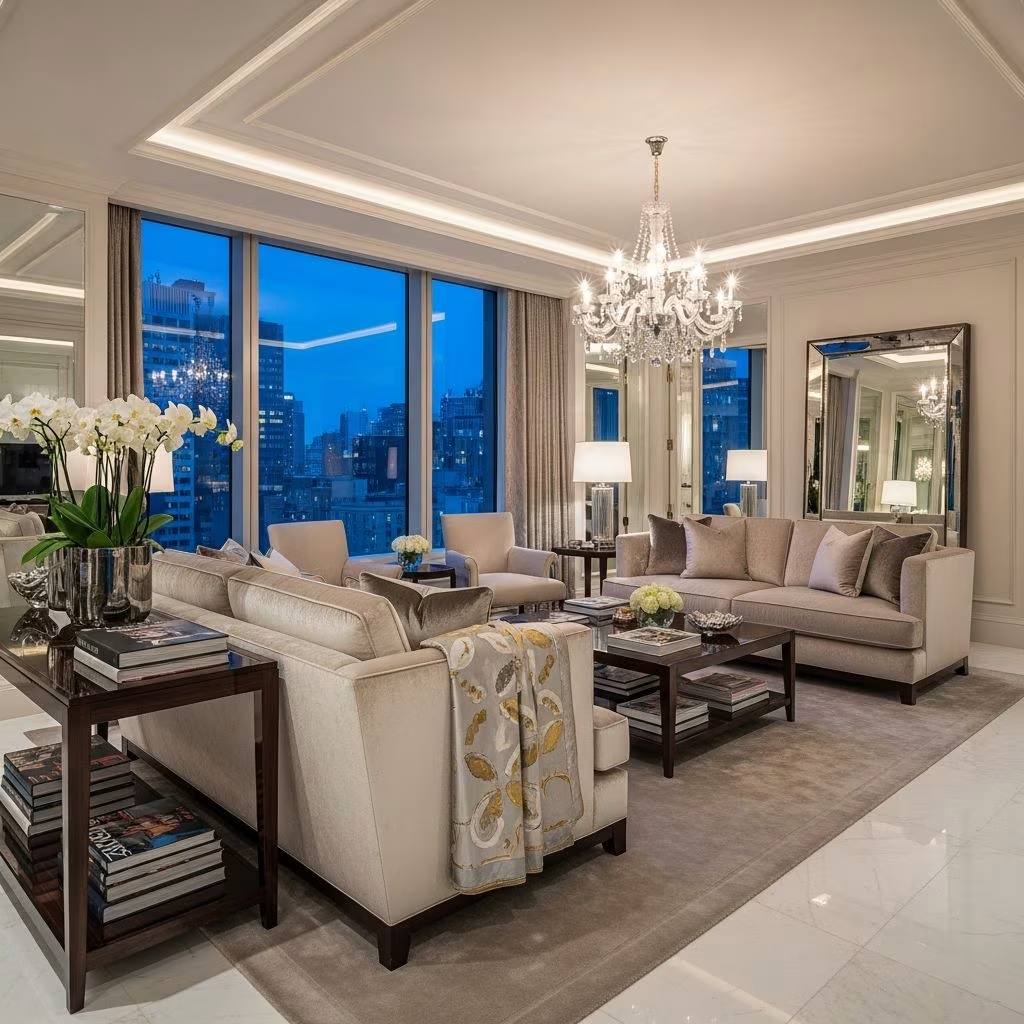
Contemporary interpretations of designer hotels often embrace restraint and refinement as counterpoints to maximalist aesthetics. Properties located in major fashion capitals demonstrate how leading designers employ negative space, understated materials, and carefully curated art collections to establish environments of serene sophistication. Milan’s designer hotel district features properties where the approach prioritizes harmony and discretion—spaces designed for discerning travelers who appreciate quality through subtlety rather than overt ornamentation.
These minimalist-influenced designer properties typically feature neutral color palettes punctuated by strategic design accents. Floor-to-ceiling windows frame urban vistas, while interior spaces employ high-quality materials selected for their tactile properties rather than visual drama. The design philosophy underlying these establishments suggests that true luxury manifests through refined simplicity and impeccable execution rather than accumulation of decorative elements.
Bold Statement Design and Theatrical Elegance
Contrasting with minimalist approaches, certain designer hotels embrace theatrical presentation and vivid aesthetic statements. Properties influenced by designers known for drama, vibrancy, and bold creative expression feature distinctive color combinations, ornamental architectural elements, and furnishings that command visual attention. Brazilian-inspired materials including richly colored marbles and elaborate mosaic installations create environments that energize rather than calm.
Custom furnishings in these spaces often incorporate signature color palettes associated with the designer’s brand identity. Fuchsia-accented upholstery, gold architectural details, and jewel-toned design elements establish interiors that feel intensely personal to the designer’s creative vision. Guests in these environments don’t simply occupy rooms; they inhabit curated art installations designed for living.
Global Expansion and Strategic Locations
Leading fashion houses have strategically positioned their hotels in destinations that align with their brand identity and target clientele. Established properties in Europe’s fashion capitals—Paris, Milan, London—anchor the designer hotel movement, while expanding portfolios now encompass emerging luxury markets including the Middle East and Asia-Pacific regions. This geographic diversification allows fashion houses to extend their influence across multiple continents while accessing distinct markets of affluent travelers.
Luxury shopping districts and proximity to cultural institutions often characterize hotel locations. Properties situated near high-end retail precincts capitalize on the convergence of travelers seeking both shopping experiences and design immersion. Urban positioning ensures guests can easily access galleries, museums, fine dining establishments, and the architectural heritage these cities offer.
European Foundations
Europe remains the epicenter of designer hotel concentration, with Italy, France, and the United Kingdom hosting multiple flagship and collection properties. Parisian establishments offer rooms named after iconic fashion figures, creating immediate associations with heritage and prestige. London properties feature suites bearing distinguished names that reference notable designers and tastemakers, while Italian properties showcase regional craftsmanship traditions.
Middle Eastern Expansion
The Middle East has emerged as a significant growth region for designer hotel developments. Properties in Dubai represent some of the most architecturally ambitious expressions of designer vision, often occupying iconic structures and featuring amenities that rival or exceed their European counterparts. These establishments cater to international travelers seeking contemporary luxury in destinations known for grand-scale hospitality.
Asian Market Development
Asian hospitality markets have increasingly attracted designer hotel portfolios. Recent openings and announced developments in major cities reflect the region’s growing luxury travel demand and the appeal of designer-branded experiences to affluent Asian travelers. These properties often incorporate design elements that bridge Western fashion sensibility with regional aesthetic traditions.
Curated Guest Experiences Beyond Accommodation
Designer hotels transcend conventional hospitality by offering comprehensive lifestyle experiences. Guest amenities extend beyond standard luxury offerings to encompass elements directly tied to the designer’s brand. Custom bath and body product lines exclusive to properties, specialized dining establishments featuring cuisine aligned with the designer’s sensibilities, and art installations or exhibitions rotate through common spaces.
The integration of designer philosophy into operational aspects distinguishes these properties from conventionally branded luxury hotels. Staff uniforms often reflect the designer’s aesthetic, concierge services are trained to embody the brand’s approach to hospitality, and guest communications employ design language consistent with the brand’s visual identity.
Diverse Aesthetic Approaches
| Design Philosophy | Characteristics | Typical Guest Appeal |
|---|---|---|
| Minimalist Elegance | Neutral palettes, understated furnishings, emphasis on quality materials and execution | Travelers valuing sophistication through restraint |
| Maximalist Drama | Vibrant colors, ornamental details, theatrical design elements, bold statements | Travelers seeking immersive brand experiences |
| Heritage-Focused | References to brand history, traditional craftsmanship, cultural elements | Travelers interested in design legacy |
| Contemporary Fusion | Modern aesthetics balanced with traditional craftsmanship, innovative materials | Travelers appreciating design evolution |
Luxury Amenities and Exclusive Features
Designer hotels frequently incorporate amenities specifically conceived for their properties rather than sourcing from standard hospitality suppliers. Spa facilities may feature treatments developed exclusively for the hotel, utilizing products formulated by the designer’s cosmetic divisions or partnerships. Rooftop installations, including pools and lounging areas, showcase distinctive design elements that reference the designer’s iconic works or brand symbols.
Dining establishments within designer hotels often showcase culinary concepts aligned with the designer’s aesthetic sensibility. Restaurant design, menu curation, and service approaches all reflect the overarching brand philosophy. Some properties feature multiple dining venues, each expressing different facets of the designer’s creative vision or celebrating distinct culinary traditions.
Artwork selection throughout properties demonstrates curatorial sophistication. Rather than acquiring generic art for wall decoration, designer hotels often feature works by established contemporary artists, emerging talents, or historical pieces aligned with the designer’s personal collection interests. Rotating exhibitions and commissioned installations provide dynamic visual interest throughout the property.
The Sensory Design Experience
Premium designer hotels engage multiple senses through deliberate design choices. Fragrance becomes a design element, with signature scents developed for common areas and guest rooms creating olfactory brand identity. Acoustic design ensures that spaces sound as carefully considered as they appear visually. Material selections prioritize tactile quality, with linens, furnishings, and architectural surfaces chosen for their tactile properties alongside visual appeal.
Lighting design receives extraordinary attention, with specifications often customized for different times of day and various spaces throughout the property. Natural light optimization through architectural design complements artificial lighting systems calibrated to enhance the designer’s color palettes and architectural features.
Investment in Design Infrastructure
The commitment designer houses invest in hotel operations reflects their understanding that these properties serve as experiential brand ambassadors. Rather than viewing hotels as passive revenue generators, fashion houses treat them as creative laboratories and marketing platforms. This investment philosophy results in properties that continuously evolve, with periodic design refreshes, new artistic collaborations, and updated interpretations of the designer’s aesthetic vision.
Staff training programs emphasize brand philosophy alongside conventional hospitality standards. Employees understand the designer’s creative principles, enabling them to articulate design choices to curious guests and embody the brand’s approach to service excellence.
Frequently Asked Questions
What distinguishes designer hotels from luxury hotels with celebrity endorsements?
Designer hotels represent active creative control by the fashion house, with designers directly influencing architectural decisions, material selections, and guest experiences. Celebrity-endorsed hotels may leverage a name without comparable creative involvement. Designer hotels embody the designer’s complete aesthetic philosophy, not merely their commercial association.
Are designer hotels significantly more expensive than conventional luxury hotels?
Pricing varies considerably depending on location, property size, and specific amenities. While some designer hotels command premium rates reflecting their exclusivity and design investment, others maintain pricing comparable to non-designer luxury properties in similar markets. The value proposition extends beyond pricing to encompass the unique experience and design authenticity.
How frequently do designer hotels update their design elements?
Update schedules vary by property and designer philosophy. Some properties maintain consistent design approaches for extended periods, while others implement periodic refreshes aligned with new creative directions or seasonal considerations. Artwork and temporary installations typically rotate more frequently than permanent architectural or furnishing elements.
Can visitors experience designer aesthetic without staying overnight?
Many designer hotels welcome public visitors to dining establishments, spa facilities, or public art installations. However, the most comprehensive experience requires overnight accommodation, allowing guests full immersion in the curated environments and exclusive amenities.
What regions offer the most concentrated designer hotel options?
Europe, particularly Italy, France, and the United Kingdom, remains the primary concentration area. However, the Middle East and Asia-Pacific regions increasingly feature designer hotel developments, providing growing opportunities for international travelers to access these experiences globally.
The Future of Fashion-Driven Hospitality
The designer hotel movement continues expanding as fashion houses recognize hospitality’s strategic value in building comprehensive lifestyle brands. Emerging developments in underserved markets, collaborations between multiple designers, and innovative interpretations of designer aesthetics suggest continued evolution of this hospitality category. As luxury travelers increasingly seek authentic brand experiences and design-driven environments, fashion houses’ investment in hotel portfolios will likely intensify, creating even more opportunities for travelers to inhabit spaces where fashion design principles define every aspect of the guest experience.
References
- Signature Luxury Travel Australia – Fashion Designer Hotels and Suites — Signature Luxury Travel. 2025. https://www.signatureluxurytravel.com.au/fashion-designer-hotels/
- 15 Fashion Designer Hotels Around the World — AFAR. 2012. https://www.afar.com/travel-tips/15-fashion-designer-hotels-around-the-world
- The Top 5 Fashion House Hotels Around the World — Artful Living. 2023. https://artfulliving.com/worlds-best-fashion-house-hotels/
- Inside the World of Fashion Hotels: How Dior, Armani, and Bvlgari are Creating Immersive Spaces — Harper’s Bazaar India. 2025-06-25. https://www.harpersbazaar.in/travel-food/story/haute-hotels-where-fashion-houses-double-as-hoteliers-1234038-2025-06-25
- Boutique Hotels by Top Fashion Designers — ELLE Decor. https://www.elledecor.com/life-culture/travel/a3021/haute-hotels-a-67970/
On This Page
The Evolution of Designer-Driven Hospitality Architectural Grandeur Meets Fashion Sensibility Minimalist Luxury and Urban Sophistication Bold Statement Design and Theatrical Elegance Global Expansion and Strategic Locations Curated Guest Experiences Beyond Accommodation Diverse Aesthetic Approaches Luxury Amenities and Exclusive Features The Sensory Design Experience Investment in Design Infrastructure Frequently Asked Questions The Future of Fashion-Driven Hospitality← Previous
3 Days in Lima, Peru: The Perfect Weekend Itinerary
Next →
Copenhagen Design Guide: Architecture, Hotels, Shops & Dining
Related Reading