

 Travel Essentials
 Travel Essentials

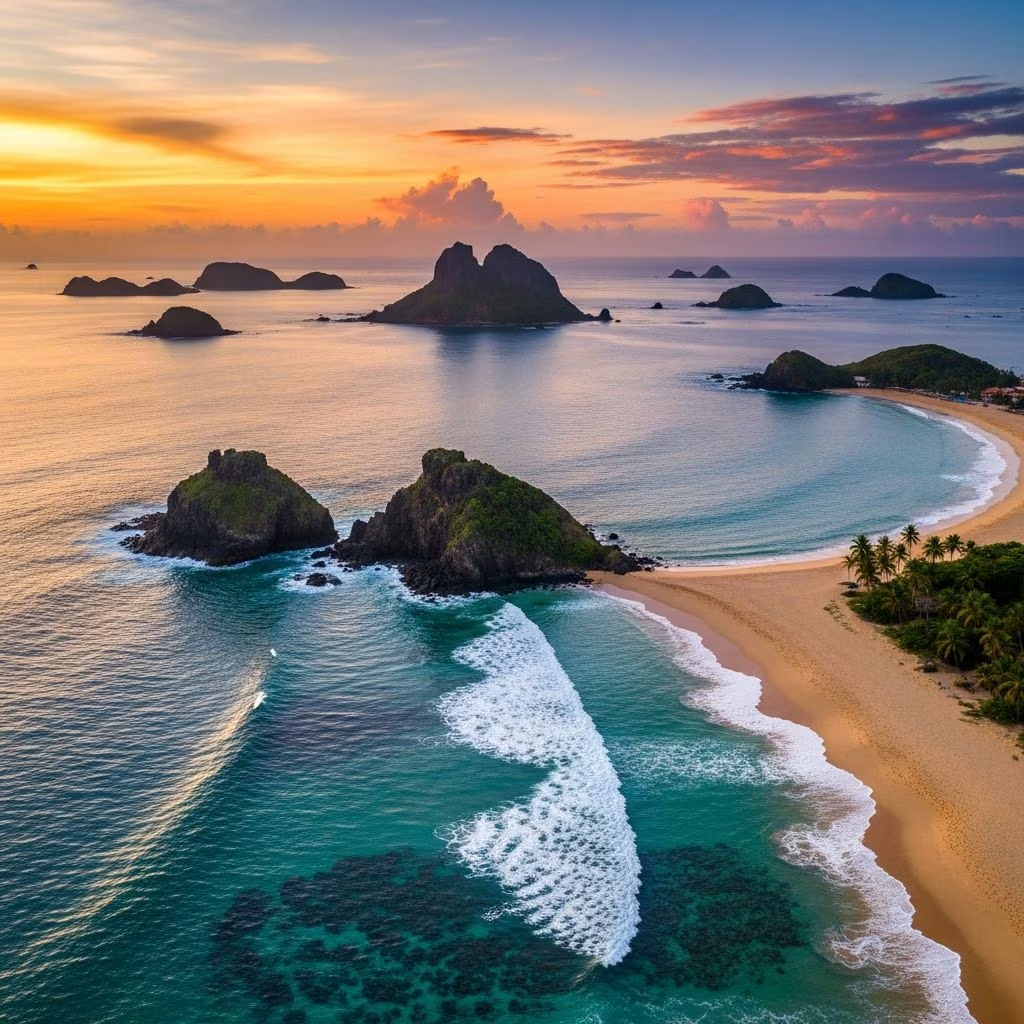
Discover Fernando de Noronha, a UNESCO World Heritage archipelago offering crystal-clear waters, dramatic landscapes, and exceptional marine biodiversity for adventure seekers.
 Travel Essentials
Nestled in the Atlantic Ocean off Brazil’s northeastern coast, Fernando de Noronha stands as one of the world’s most extraordinary travel destinations. This remote archipelago combines untouched natural beauty with exceptional marine biodiversity, creating an environment that captivates adventurers, nature enthusiasts, and travelers seeking authentic experiences away from mainstream tourism. The islands’ commitment to environmental preservation has transformed them into a sanctuary where visitors can witness pristine ecosystems thriving in their natural state.
Fernando de Noronha comprises multiple islands and islets positioned strategically in the Atlantic waters. The archipelago holds designation as a UNESCO World Heritage Site, recognizing its unique ecological importance and irreplaceable natural resources. This recognition reflects the islands’ role in maintaining biodiversity and serving as a laboratory for understanding marine and terrestrial ecosystems. The archipelago’s protected status means that environmental preservation takes precedence over commercial development, resulting in landscapes that have remained largely unchanged for centuries.
The designation as Brazil’s first national marine park established stringent regulations governing human activity on the islands. Approximately 70% of the land and all surrounding waters fall under national park administration, managed by the Brazilian environmental agency IBAMA. These protective measures ensure that the archipelago maintains its ecological integrity while accommodating responsible tourism. Visitors contribute directly to conservation efforts through daily taxes that fund environmental protection initiatives.
The archipelago’s remote location in the Atlantic Ocean contributes significantly to its preservation. Located off Brazil’s northeastern coast, the islands remain relatively isolated, which has historically limited visitor numbers and environmental pressure. This geographic positioning creates a sense of exclusivity and adventure for travelers willing to undertake the journey. The main island features a single circular road connecting primary attractions, making navigation straightforward despite the limited infrastructure.
Transportation around the archipelago relies on practical, sustainable options. Public buses operate regularly along the main road, offering affordable access to key locations at minimal cost. For travelers seeking greater flexibility, taxi services remain available throughout the day. Those preferring independent exploration can rent vehicles, with dune buggies and cars available for approximately $50-70 daily. This range of transportation options ensures visitors can tailor their movement patterns to their schedules and preferences while maintaining environmental consciousness.
The waters surrounding Fernando de Noronha showcase some of Earth’s most vibrant marine ecosystems. Crystal-clear visibility, sometimes reaching 45 meters (150 feet), allows visitors to observe the underwater world with exceptional clarity. This water transparency, combined with thriving coral reefs and diverse fish populations, creates ideal conditions for both recreational and professional marine observation.
The marine biodiversity astounds experienced divers and casual snorkelers alike. Giant schools of fish create shimmering patterns of silver, blue, and neon green as they navigate the reef systems. Larger marine creatures frequent the waters with remarkable regularity. Sea turtles glide peacefully through the water column, while rays and skates gracefully navigate the sandy seafloor. Shark species, including lemon and nursing sharks, cruise through the deeper waters without aggression toward humans. Dolphins frequently accompany boat tours, providing memorable encounters with these intelligent marine mammals.
The archipelago’s beaches represent some of the most spectacular coastal environments globally. Sancho Beach has earned repeated recognition as one of the world’s most beautiful beaches, drawing visitors from across the globe. These beaches feature pristine sandy shores, dramatic cliff backdrops, and access to shallow waters teeming with marine life. The beaches remain undeveloped, without commercial cabanas or resort infrastructure, preserving their natural character.
Each beach offers distinctive characteristics appealing to different visitor preferences. Some beaches provide calm, protected waters ideal for families and casual swimmers, while others feature more challenging conditions suited to experienced water enthusiasts. Golden sand contrasts with turquoise waters, creating photogenic landscapes that justify the archipelago’s reputation as a photography destination. The beaches’ accessibility varies, with some requiring boat transport to reach, limiting daily visitor numbers and preserving their pristine condition.
Water-based activities form the cornerstone of Fernando de Noronha experiences. Snorkeling opportunities abound throughout the archipelago, with designated sites offering encounters with diverse marine species. The harbor area provides accessible snorkeling for visitors of varying experience levels, while more remote sites offer advanced opportunities. Encounters with sea turtles, rays, sharks, and colorful reef fish characterize typical snorkeling outings.
The archipelago ranks among the world’s premier diving destinations. Professional dive operators provide courses ranging from beginner certification to advanced technical diving programs. Full-day experiences typically last approximately eight hours, incorporating multiple dive sites and multiple underwater environments. The combination of exceptional visibility, diverse marine life, and well-preserved reef ecosystems justifies the archipelago’s status as a world-class diving location.
Beyond aquatic activities, Fernando de Noronha offers substantial terrestrial attractions. Hiking trails crisscross the islands, accommodating varying fitness levels and time commitments. Several trails wind through the Marine National Park, including the Capim Açu and Pontinha Caieira routes, requiring advance booking to manage environmental impact. Some trails incorporate natural pools, providing refreshing swimming opportunities during hiking excursions. Hikers encounter indigenous bird species, lizards, crabs, and other wildlife adapted to the island environment. Most trails deliver stunning panoramic views of dramatic cliff formations, pristine beaches, and the surrounding ocean.
Comprehensive island tours provide optimal orientation for first-time visitors. Full-day land-based tours covering major attractions and beaches typically last approximately eight hours, offering time for swimming and snorkeling at key locations. These tours help visitors understand island logistics and identify areas for subsequent deeper exploration.
Boat tours reveal the archipelago from entirely different perspectives. From the water, dramatic cliff formations, lush vegetation, and golden beaches create breathtaking panoramas unavailable from land viewpoints. Boat tours typically visit famous locations like Porcos Bay and Morro dos Dois Irmãos, extending to remote islets rarely accessible to independent travelers. Dolphin encounters represent frequent highlights of boat excursions, with pods commonly approaching vessels. Many tours incorporate snorkeling stops at vibrant coral reef systems.
Beyond conventional diving and snorkeling, the archipelago offers distinctive water-based experiences. Hawaiian canoe adventures represent particularly memorable activities, transporting visitors to exceptional beaches and snorkeling locations while providing active engagement with the marine environment. Sunrise and sunset canoe expeditions create high-impact experiences for early-rising visitors. The activity combines cultural elements with direct interaction with coastal ecosystems, offering perspectives unavailable through other activities.
Surfing enthusiasts find substantial opportunities in Fernando de Noronha, which maintains recognition as a significant surfing destination. Conditions vary seasonally, with December through March offering stronger wave action ideal for experienced surfers. August through September present calmer ocean conditions favoring snorkeling and floating activities.
Vila dos Remédios represents Fernando de Noronha’s primary settlement and serves as the archipelago’s main hub. Beyond its historical significance as the archipelago’s first permanent settlement, the village provides essential services for visitors. Modern amenities including shops, restaurants, and diverse accommodation options have developed while maintaining the village’s historical character. This balance between contemporary convenience and historical preservation makes Vila dos Remédios an ideal base for exploring the islands. The settlement provides cultural context for understanding the archipelago’s human history alongside its natural features.
Seasonal variations significantly influence the Fernando de Noronha experience. August through September feature calm, flat ocean conditions with exceptional visibility, making these months ideal for snorkeling, diving, and floating activities. During this period, marine life observations improve due to water clarity and stable conditions. December through March bring stronger wave action, attracting surfers and providing different aesthetic experiences of the archipelago’s natural forces.
Visitor numbers fluctuate seasonally, with peak periods coinciding with optimal weather windows. Planning visits during shoulder seasons may provide more spacious experiences with reduced crowds. The daily visitor tax remains constant throughout the year, supporting consistent environmental protection efforts regardless of seasonal tourism flows.
The archipelago offers specialized educational programs extending beyond recreational activities. Courses and workshops address marine biology, ecological preservation, snorkeling techniques, and diving certification. The TAMAR project, dedicated to sea turtle conservation and research, provides presentations educating visitors about these remarkable creatures and ongoing protection efforts. Half-day programs accommodate leisure visitors without time commitments for extended educational experiences.
Visitors must observe strict environmental regulations protecting the archipelago’s fragile ecosystems. Sunscreen restrictions apply in sensitive areas, as certain chemicals damage coral reefs and marine life. Visitors must adhere to regulations regarding outer island visits and respect designated protected zones. These requirements may seem restrictive but directly support the preservation efforts that maintain the archipelago’s exceptional condition.
Snorkeling equipment ranks among the most critical items for visitors, as bringing personal gear often proves more convenient than renting. Quality underwater cameras capture the remarkable marine life encounters. Appropriate hiking footwear supports safe trail exploration on rugged terrain. Quick-drying clothing accommodates frequent water activities. Sun protection assumes critical importance given the tropical location and intense sun exposure.
The archipelago maintains pristine ecosystems due to strict protective regulations, UNESCO World Heritage designation, and Brazil’s national marine park status. These designations have prevented excessive development and commercial exploitation, preserving the natural environment.
Yes. The archipelago offers substantial attractions beyond water activities, including hiking, beach relaxation, wildlife observation, and cultural exploration. Boat tours accommodate passengers who prefer observation over active participation in water activities.
A minimum three-day visit allows comprehensive exploration including island tours, water activities, and hiking. Longer stays enable deeper engagement with specific interests and less-visited locations.
Certification requirements depend on specific dive sites and operator policies. The archipelago accommodates divers from beginner to advanced levels, with courses available for certification.
The archipelago features limited accommodation to control visitor numbers. Various pousadas (guesthouses), hotels, and rental properties provide options ranging from budget to luxury. Advance booking proves essential, particularly during peak seasons.
Visiting Fernando de Noronha requires intentional planning but rewards preparation with exceptional experiences. The archipelago’s protection and limited visitor access create an intimate travel experience increasingly rare in our world. Combining world-class diving and snorkeling with pristine natural landscapes, the islands offer something genuinely unique. Whether seeking adventure through water sports, peaceful solitude on unspoiled beaches, or wildlife encounters, Fernando de Noronha delivers transformative travel experiences that justify the effort required to reach this remote paradise.
