


 Food & Culture
Food & Culture
Festa della Salute in Venice: History, Traditions & Visit Guide
Explore the origins of Venice's Festa della Salute, a vibrant festival honoring the end of the 1630 plague, featuring processions, a temporary bridge, and culinary delights.
 Food & Culture
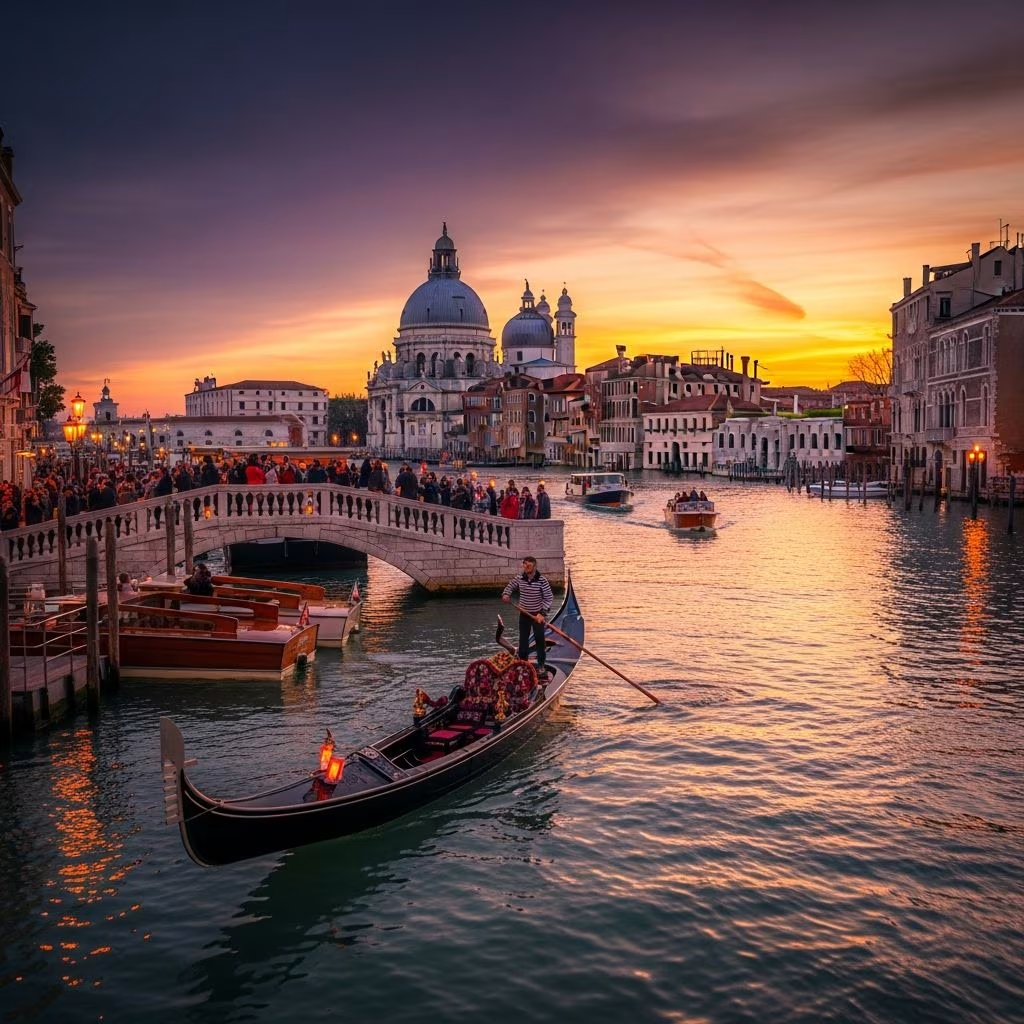
Every November 21, the canals of Venice transform into a sea of devotion as locals and visitors unite for the Festa della Salute, a festival rooted in the city’s dramatic triumph over a devastating plague in the 17th century. This event honors the Virgin Mary, known as Madonna della Salute, for her believed intervention that spared Venice from total ruin.
Roots in Catastrophe: The 1630 Plague Outbreak
The story begins in 1630, when bubonic plague ravaged northern Italy, claiming lives across cities like Mantua. Desperate Mantuan nobles sought aid from Venice, leading to a fateful error: infected individuals were housed on lagoon islands meant for quarantine, such as San Clemente and Lazzaretto Nuovo. A woodworker, tasked with repairs, unwittingly carried the disease back to the mainland at Punta della Dogana.
By mid-1630, the epidemic exploded, killing nearly one-third of Venice’s population—around 46,000 souls—over 15 months. Earlier plagues, like the 1348 Black Death, had prompted isolation measures on islands like Lazzaretto Vecchio, but this outbreak overwhelmed even those defenses.
- Key Triggers: Arrival via Duke of Mantua’s entourage, breaching quarantine protocols.
- Response Measures: Strict lockdowns, but faith became the city’s last hope.
- Death Toll Impact: Decimated families, emptied neighborhoods, echoing the horrors of prior epidemics.
The Vow That Changed Venice Forever
Facing annihilation, Doge Nicolò Contarini and the Senate turned to religion. On October 22, 1630, Patriarch Giovanni Tiepolo led a massive procession invoking the Virgin Mary’s protection. For three days and nights, Venetians paraded barefoot through streets, praying for deliverance. The Doge vowed to erect a grand basilica if the plague subsided.
Remarkably, new cases dwindled shortly after, vanishing by November 1631. True to the promise, construction began in 1631 at the epidemic’s epicenter, slightly inland from Punta della Dogana in Dorsoduro for prominence.
Architectural Marvel: Building the Basilica della Salute
Architect Baldassare Longhena’s winning design featured an innovative octagonal plan, crowned by a massive dome echoing St. Mark’s Basilica. Construction, funded by the state and votive offerings, spanned 56 years, with consecration on November 21, 1687—now the feast day.
The basilica’s facade gleams with white Istrian stone, adorned with statues of prophets and apostles. Inside, the high altar’s marble masterpiece depicts the Madonna shielding Venice, cradling the Christ Child over a prostrate city figure, flanked by angels.
| Feature | Description |
|---|---|
| Shape | Octagonal core with radiating chapels for pilgrimage flow. |
| Dome | Oversized, symbolizing heavenly protection; visible across lagoon. |
| Altar Art | Virgin Mary as protector, Byzantine-inspired iconography. |
| Construction Timeline | 1631 start; 1687 consecration; full completion post-1687. |
Longhena didn’t live to see its finish, dying in 1682, but his vision endures as a skyline icon.
Pilgrimage and the Iconic Temporary Bridge
Central to the modern Festa della Salute is the votive bridge, a pontoon spanning the Grand Canal from Santa Maria del Giglio to Campo della Salute. Erected annually since the 19th century, it allows thousands to cross on foot for masses and candle offerings.
Participants climb 50 meters of barges lashed together, often buying beeswax candles en route—symbols of prayers for health. The bridge, dismantled post-festival, embodies communal faith, drawing pilgrims despite crowds.
- Build Time: Dawn on November 20; dismantled by November 22.
- Capacity: Handles 50,000+ visitors daily.
- Safety Note: Sturdy but slippery; wear practical shoes.
Culinary Heart: Castradina and Festive Feasts
No Festa della Salute is complete without castradina, a mutton stew evoking plague-era scarcity. Sourced from loyal Dalmatian suppliers who braved isolation to feed Venice, it’s simmered with cabbage, spices, and broth—served family-style.
Markets near the basilica overflow with sweets like fritole (fried dough balls) and zaeti (saffron cookies), plus boiled chestnuts. Pair with fogolaro wine for authenticity.
November 21: A Day-by-Day Guide
The festival unfolds over November 20-22, blending sacred rites and secular joy.
- November 20 Evening: Bridge assembly; early processions light votive candles.
- November 21 Dawn: Solemn mass at 7 AM; Doge-era reenactments.
- Midday: Peak pilgrim flow; basilica queues for Madonna icon veneration.
- Afternoon: Folk music, boat parades on Grand Canal.
- Evening: Fireworks illuminate the lagoon; family dinners with castradina.
Masses continue through November 22, with public transport strained—vaporetto lines packed.
Modern Twists on Ancient Traditions
While core rituals persist, contemporary elements enrich the event. Eco-friendly bridge materials reflect sustainability efforts. Virtual tours and live streams engage global audiences, especially post-pandemic.
COVID-19 echoes heightened health prayers, underscoring the festival’s enduring relevance. Families pass down customs, from candle sizes denoting intentions to heirloom recipes.
Planning Your Visit: Practical Tips
Arrive early to beat crowds; book accommodations in San Marco or Dorsoduro. Dress modestly for the basilica (shoulders/knees covered). Expect €3-5 entry; photography allowed sans flash.
| Aspect | Tips |
|---|---|
| Transport | Walk or vaporetto Line 1; avoid cars. |
| Weather | Chilly autumn; layers essential, possible acqua alta. |
| Costs | Candles €2+; meals €20-40 pp. |
| Crowds | Peak 10 AM-4 PM; visit pre-dawn or late night. |
Frequently Asked Questions (FAQs)
What is the Festa della Salute?
A Venetian holiday on November 21 commemorating the 1630-31 plague’s end via Virgin Mary devotion.
Why is the bridge temporary?
Symbolizes votive pilgrimage; built yearly from 300+ boats for accessibility.
Is castradina only eaten then?
Traditionally yes, but available year-round at select spots honoring Dalmatian aid.
Can tourists join processions?
Yes, openly; respectful participation encouraged.
What’s the basilica’s significance?
Vow fulfillment; architectural gem housing protective Madonna icon.
Why This Festival Captivates Travelers
Festa della Salute reveals Venice’s soul: resilient, devout, communal. Beyond gondolas and masks, it offers authentic immersion in lagoon life, blending history with heartfelt ritual. Whether lighting a candle for health or savoring castradina amid fireworks, visitors leave with profound connection to La Serenissima’s spirit.(Word count: 1678)
References
- The Feast of Madonna Della Salute – Ca’ Pozzo Inn — Ca’ Pozzo Inn. N/A. https://capozzoinn.com/madonna-della-salute-feast/
- La Festa Della Salute, The Day Venice Celebrates The End Of A Plague — Venezia Autentica. N/A. https://veneziaautentica.com/festa-della-salute-venice-end-of-plague/
- Festa della Salute, Venice — Italy Heaven. N/A. https://www.italyheaven.co.uk/veneto/venice/festadellasalute/
- Feast of Madonna della Salute: Faith and Tradition in Venice — Caffè Florian. N/A. https://caffeflorian.com/en/the-celebration-of-madonna-della-salute-a-tradition-of-faith/
- The November 21: Feast of the Madonna della Salute — Venice Tourism. N/A. https://www.venice-tourism.com/en/november-21-feast-madonna-della-salute
On This Page
Roots in Catastrophe: The 1630 Plague Outbreak The Vow That Changed Venice Forever Architectural Marvel: Building the Basilica della Salute Pilgrimage and the Iconic Temporary Bridge Culinary Heart: Castradina and Festive Feasts November 21: A Day-by-Day Guide Modern Twists on Ancient Traditions Planning Your Visit: Practical Tips Frequently Asked Questions (FAQs) Why This Festival Captivates Travelers← Previous
Shopping in Essaouira: Best Souks, Boutiques & Local Finds
Next →
Tokyo in Winter: Illuminations, Onsen, Snow Trips & Seasonal Experiences
Related Reading
More in Food & Culture
Food & Culture Food & Culture
 Food & Culture
Best Places to Eat in Rome: Neighborhood Dining Guide
 Food & Culture
 Food & Culture