

 Travel Essentials
 Travel Essentials

Compare Fiji and the Cook Islands for your next trip: accessibility, accommodations, activities, culture, and more to decide between bustling excitement or tranquil seclusion.
 Travel Essentials
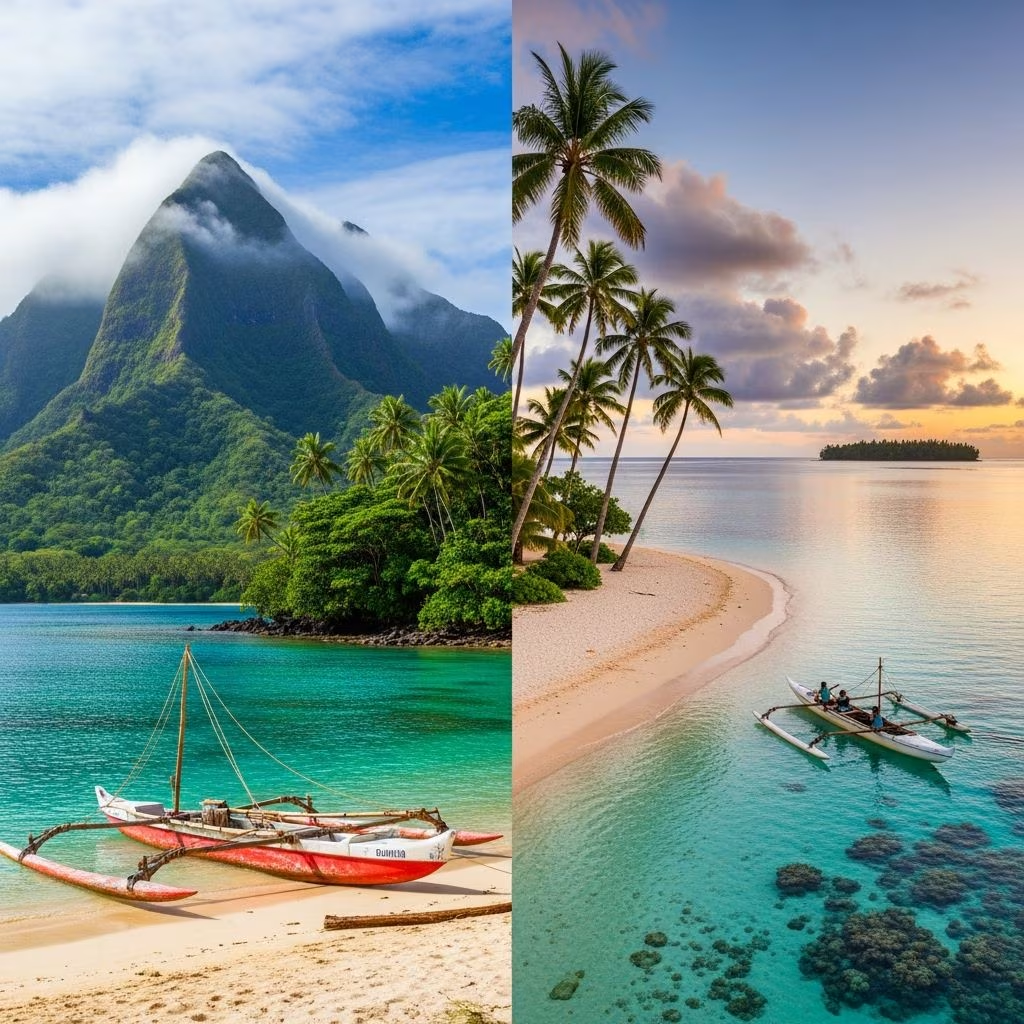
Both Fiji and the Cook Islands promise pristine beaches, crystal-clear lagoons, and a laid-back tropical vibe that defines South Pacific dreams. Yet, selecting between them hinges on your priorities: Fiji delivers expansive options for adventure seekers and families, while the Cook Islands, centered on Rarotonga, offer a more intimate, unhurried retreat.
Accessibility sets these destinations apart significantly. Fiji benefits from its role as a major South Pacific hub, with Nadi International Airport offering direct flights from Australia, New Zealand, Asia, and even the United States. Airlines like Fiji Airways provide comfortable journeys and seamless connections to outer islands via ferries, seaplanes, or short domestic flights.
In contrast, reaching the Cook Islands usually involves a stopover in Auckland, limiting options outside peak seasons and extending travel time for most visitors. Rarotonga International Airport serves as the gateway, but onward travel to other islands like Aitutaki requires small propeller planes, which can feel more rustic.
Fiji excels in accommodation diversity, from sprawling all-inclusive resorts on Viti Levu to private island hideaways in the Yasawas or Mamanucas. Luxury chains and boutique properties cater to every budget, often featuring overwater bungalows, infinity pools, and kids’ clubs. Many resorts organize boat or helicopter transfers right from the airport, immersing guests in exclusivity.
The Cook Islands prioritize smaller-scale stays. Rarotonga and Aitutaki host family-run beachfront bungalows, apartments, and low-rise resorts without international chains. This fosters a personal touch, with many properties blending into the landscape and emphasizing eco-friendly designs. No massive developments mean a cozier, community-oriented feel.
| Aspect | Fiji | Cook Islands |
|---|---|---|
| Resort Size | Large complexes, private islands | Small bungalows, villas |
| Amenities | Kids’ clubs, spas, multiple restaurants | Beachfront access, family activities |
| Best For | Families, luxury seekers | Couples, independent travelers |
Fiji’s 333 islands span a vast archipelago, with Viti Levu as the bustling main island home to cities like Suva (nearly 200,000 residents) and Nadi. Popular chains like the Yasawas offer island-hopping via ferries, packed with backpacker vibes and upscale escapes. This scale allows for diverse day trips without isolation.
Rarotonga, the Cook Islands’ hub, is compact—a 32km ring road circles its volcanic peaks and lagoons, drivable in 40 minutes at the 50km/h limit (or slower on scooters). Avarua, the tiny capital with under 5,000 people, lacks traffic lights. Outer islands like Mangaia see fewer than 100 visitors yearly, but lack resorts, suiting hardcore explorers only.
Navigation Comparison:
Fiji stands out for thrill-seekers. Beyond beach lounging, dive into white-water rafting on Upper Navua River, zip-line through jungles, or tube highland streams. Unique offerings include Ecotrax bike adventures on old rail lines and jet-boat spins. Snorkeling and diving thrive in the soft-coral capital of the world, with shark encounters and WWII wrecks.
Rarotonga shines in water-based pursuits: kayak lagoons, snorkel vibrant reefs teeming with fish, or hike cross-island trails to needle-like peaks. Diving is excellent but less varied. Outer island lagoons like Aitutaki’s one-of-a-kind 18-mile turquoise expanse offer flat calm for paddleboarding.
Families find Fiji’s organized resort activities unbeatable—water parks, cultural shows—while Cooks encourage self-guided beach hops.
Fijians’ bula spirit radiates warmth; villages welcome visitors for kava ceremonies, meke dances, and Sunday church services. Festivals like Diwali and the Hibiscus Festival add vibrancy. Homestays and fire-walking demos provide authentic glimpses.
Cook Islanders share Polynesian roots, with warrior dances, ukelele music, and wood carvings defining their heritage. Rarotonga’s markets buzz with handicrafts, but interactions feel more reserved. Aitutaki’s community events offer pure, uncommercialized culture.
Fiji’s culinary edge comes from Indian-Fijian influences—think spicy curries, roti, and fresh seafood at resorts or Suva eateries. Nightlife pulses in Nadi and Denarau with bars, clubs, and live bands.
Cook Islands cuisine highlights fresh fish, tropical fruits, and umu (earth-oven) feasts. Rarotonga’s harborside cafes serve poisson cru; evenings are mellow with beach bars and occasional bands—no late-night raves.
May to October dry season suits both: warm days (25-29°C), low rain, prime for watersports. Fiji’s wet season (Nov-Apr) brings discounts but cyclone risks; Cooks mirror this, though less prone.
Avoid Fiji’s July school holidays for crowds; Cooks stay quieter year-round.
Fiji dominates family trips with resorts boasting kids’ clubs, pools, nannies, and activities like mini-golf. All-inclusives minimize planning.
Cooks offer relaxed exploration—scooter around Rarotonga, snorkel as a family—but fewer structured programs.
Fiji spans budgets: resorts from $200/night, activities add up. Cooks are pricier per night ($250+) due to imports, but shorter stays possible given compactness.
| Category | Fiji (per day) | Cook Islands (per day) |
|---|---|---|
| Accommodation | $150-500 | $200-400 |
| Meals | $50-100 | $60-90 |
| Activities | $50-150 | $40-100 |
Both face overtourism pressures. Fiji advances with marine protected areas; choose resorts with reef-safe sunscreen policies. Cooks’ small scale aids preservation—support local by renting scooters over cars.
Which is cheaper, Fiji or Cook Islands? Fiji offers more budget options overall, especially for longer stays with packages.
Is Rarotonga better than Fiji for honeymoons? Rarotonga’s intimacy wins for romance; Fiji for luxury variety.
Can you island-hop easily in Cook Islands? Limited to flights from Rarotonga; less seamless than Fiji’s ferries.
What’s the drinking age and vibe? 18+ everywhere; Fiji livelier, Cooks chill.
Visa requirements? Most visitors get 4 months visa-free in both; check updates.
