

 Travel Essentials
 Travel Essentials

Discover the diverse First Nations of British Columbia, their languages, traditions, resilience, and lasting influence on the province.
 Travel Essentials
British Columbia is home to a remarkable array of Indigenous communities, representing some of the most diverse cultures in Canada. With over 200 First Nations bands, these groups have shaped the province’s landscape, economy, and identity for millennia.
The province boasts the highest concentration of unique Indigenous language families in Canada, with seven of the nation’s twelve families found exclusively here. This linguistic richness underscores the cultural mosaic, including Coast Salish, Haida, Kwakwaka’wakw, Gitxsan, Tsimshian, Nisga’a, Interior Salish, Athapaskan, and Ktunaxa peoples.
Each nation maintains distinct traditions tied to their territories, from coastal rainforest dwellers to interior plateau inhabitants. For instance, the Musqueam, Squamish, and Tsleil-Waututh Nations steward the Vancouver area, emphasizing sustainable resource use since time immemorial.
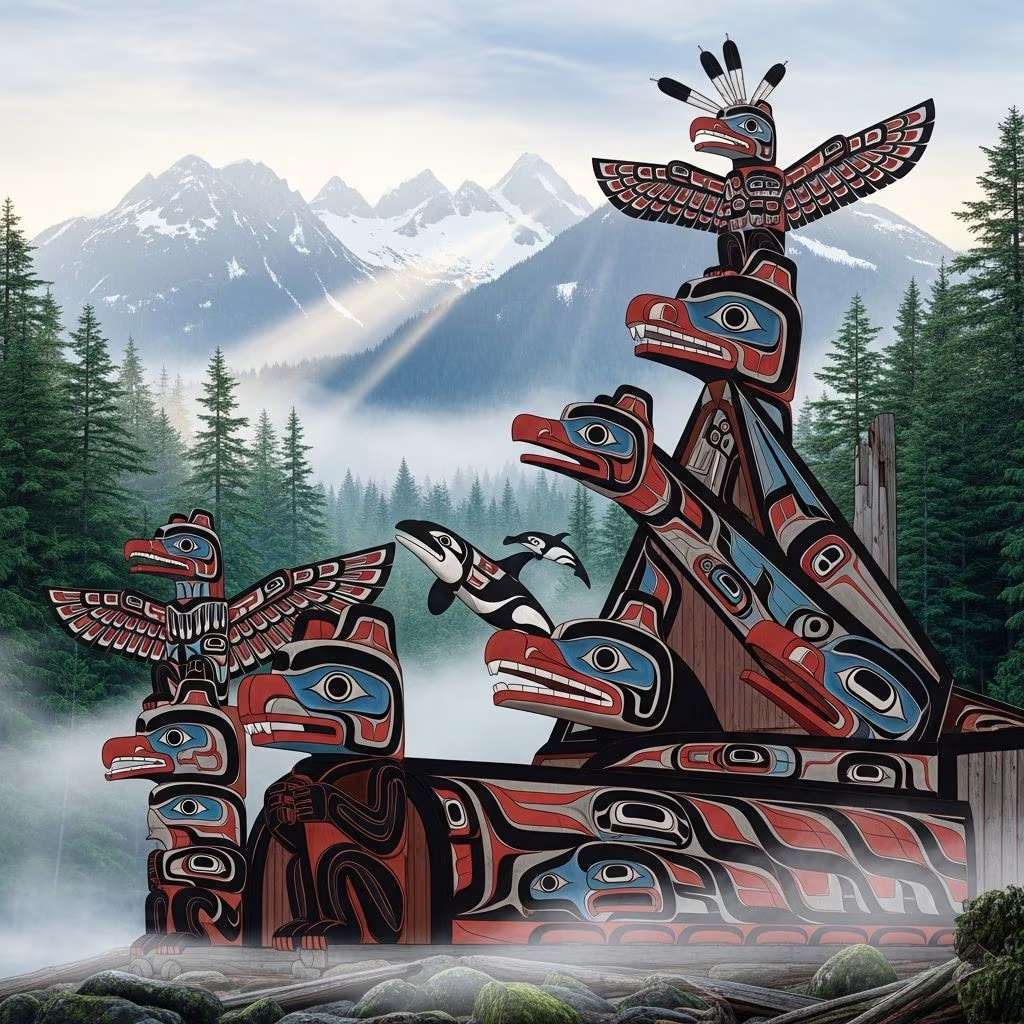
Long before European contact, Indigenous peoples thrived through sophisticated societies. They developed complex governance, trade networks, and resource management systems. Coastal nations built large plank houses for extended families, hosting ceremonies that reinforced kinship and status.
Economies revolved around fishing, hunting, forestry, and gathering. Salmon runs sustained coastal communities, while interior groups managed deer populations and berry harvests. These practices ensured ecological balance and communal prosperity.
Central to many coastal cultures are potlatches—elaborate gatherings where hosts distribute wealth to affirm hereditary rights, songs, dances, and stories. These events strengthen family ties and social structures, adhering to specific cultural protocols.
Inland, practices like vision quests and seasonal migrations highlighted spiritual connections to the land. Today, these traditions blend with contemporary expressions, fostering cultural continuity.
First Nations labor was pivotal to British Columbia’s development. Early colonies depended on Indigenous hunters for food supplies, with reports noting up to 63 deer delivered daily in areas like Nanaimo.
In forestry, nations like the Haisla peaked logging in the 1920s, while Sto:lo men viewed it as a source of pride into the late 20th century. Coal and gold mining also saw heavy Indigenous involvement, supplying global markets and fueling settlement.
| Industry | First Nations Role | Impact |
|---|---|---|
| Forestry | Logging and milling | Sustained export economy post-WWII |
| Mining | Coal and gold extraction | Enabled urban growth in Vancouver |
| Fishing/Hunting | Food provision | Colony survival in early years |
Anthropologist Franz Boas noted in the late 19th century that without Indigenous workers, the province’s economy would collapse, highlighting their indispensability in railways, roads, and sawmills.
European arrival brought treaties, land disputes, and policies like the Royal Proclamation of 1763, which recognized First Nations rights and influenced modern negotiations.
Despite disruptions, communities adapted, contributing to events like the War of 1812 where thousands fought alongside British forces. Residential schools and resource exploitation posed severe challenges, yet resilience prevailed through cultural revitalization.
Today, 202 band governments and 23 tribal councils advocate for rights. Landmark decisions affirm unceded territories, spurring treaty processes and co-management of lands.
Economic empowerment includes forestry tenures, tourism ventures, and fisheries. Nations like the Cowichan Tribes, BC’s largest band, maintain ancient ties to Vancouver Island’s Cowichan Valley.
Vancouver’s downtown sits on Musqueam, Squamish, and Tsleil-Waututh lands. Visit the Museum of Anthropology for Northwest Coast art or join guided tours.
This archipelago showcases Haida mastery in carving and storytelling. Watchtowers and longhouses reveal seafaring heritage.
Gitxsan and Nisga’a territories feature volcanic landscapes and feast halls. The Nisga’a Lisims Government exemplifies self-governance.
Nuu-chah-nulth (Nitinat) and Ditidaht nations offer whale-watching and longhouse experiences, rooted in millennia of occupation.
Engage thoughtfully: Seek Indigenous-owned operators, ask permission for photos, and support local artisans. Avoid sacred sites without invitation.
Key principles:
There are 202 band governments across 204 communities.
Over 30 languages from seven unique families, more than half of Canada’s total.
Potlatches are private family events; public cultural festivals offer similar experiences.
From colonial food supplies to modern industries, their contributions built infrastructure and economy.
Indigenous tourism promotes authentic stories, economies, and reconciliation.
Efforts like language immersion programs and cultural centers ensure traditions endure. Visitors play a role by amplifying Indigenous voices responsibly.
From ancient big houses to contemporary governance, First Nations embody enduring stewardship, inviting the world to learn from their profound legacy.
