

 Travel Essentials
 Travel Essentials

A comprehensive travel guide covering Wales' top attractions, regional highlights, transportation options, and practical tips for first-time visitors planning their Welsh adventure.
 Travel Essentials
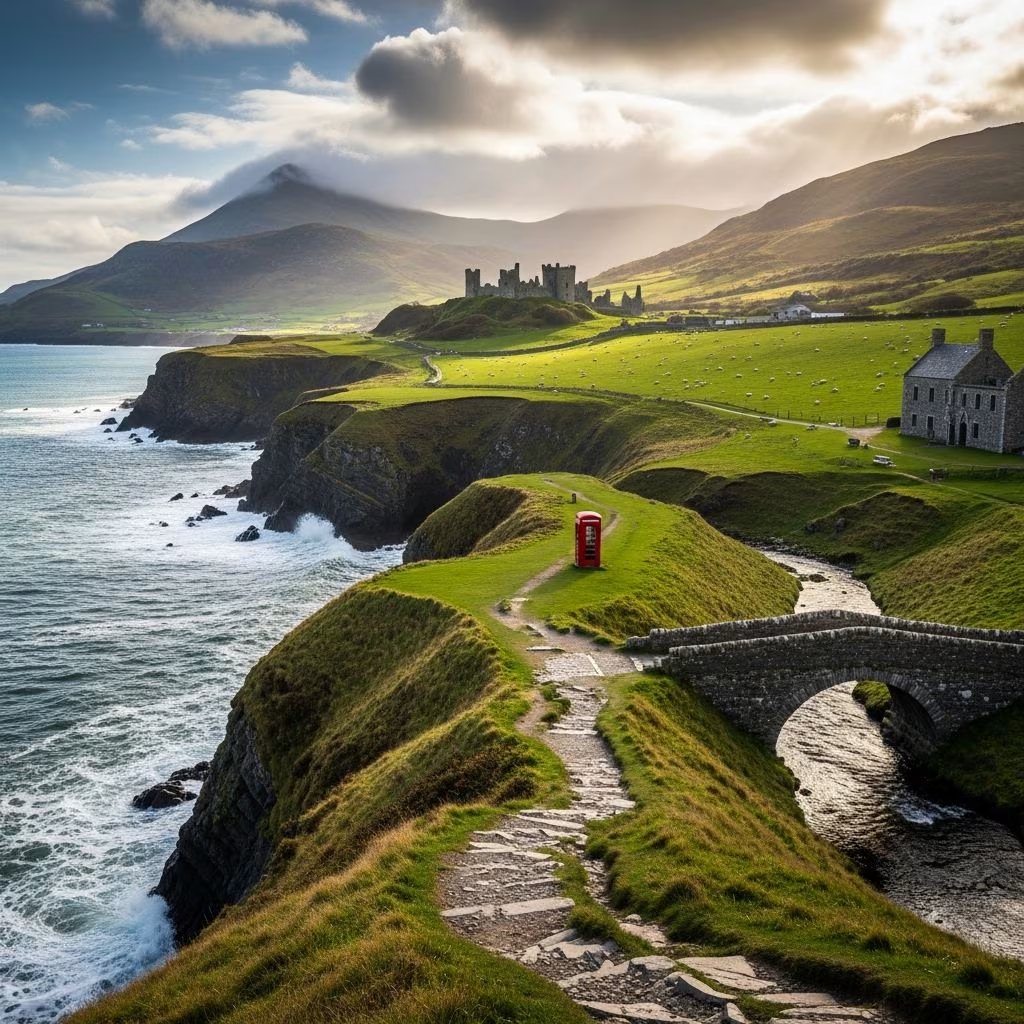
Wales represents one of Britain’s most enchanting destinations, offering visitors a remarkable blend of dramatic landscapes, historic fortifications, vibrant culture, and warm hospitality. For those embarking on their initial Welsh adventure, the country presents an exciting yet potentially overwhelming array of experiences. Understanding how to navigate this fascinating nation ensures that your first visit becomes a foundation for future explorations rather than a rushed whirlwind tour.
Wales presents a unique geographic challenge for visitors unfamiliar with the country. The nation’s predominantly mountainous terrain creates a natural division between the north and south regions, with most transportation infrastructure—both roads and railways—running from east to west rather than north to south. This geographic reality means that traversing from one region to another can be more time-consuming than visitors might initially expect.
The country comprises three distinct regions, each offering unique attractions and character. First-time visitors typically choose to focus on a single region or two interconnected areas, reserving other sections for future visits. This strategic approach prevents traveler fatigue and allows for a more meaningful engagement with each location.
The southern regions contain approximately two-thirds of Wales’ population, featuring less dramatic topography compared to the mountainous north. This densely populated area includes the capital city and many of Wales’ primary cultural attractions. The northern regions showcase the nation’s most striking natural features, including towering peaks, pristine coastlines, and picturesque valleys.
Timing significantly impacts your Welsh experience. The country experiences a temperate climate, with the most favorable conditions occurring between May and September. During these months, visitors benefit from warmer temperatures, reduced rainfall, and extended daylight hours. This period proves especially suitable for outdoor enthusiasts planning hiking expeditions, coastal walks, or mountain exploration.
The shoulder seasons of spring and autumn offer moderate temperatures with fewer crowds than peak summer months. Winter visits remain possible but require preparation for shorter days and potentially challenging weather conditions. Regardless of season, packing layers and waterproof clothing remains essential, as Wales’ maritime climate can shift unexpectedly.
Northern Wales captivates visitors with its concentration of medieval fortifications and dramatic natural scenery. The region showcases some of Britain’s finest castles and most impressive landscape features.
Conwy stands as one of Wales’ most delightful towns, featuring medieval walls that represent Britain’s finest examples of fortification architecture. The town wraps around its impressive castle, creating a strollable environment where visitors can explore historic buildings, local shops, and waterfront attractions. The combination of architectural heritage and compact walkability makes Conwy an ideal introduction to Welsh castle culture.
Caernarfon serves as another essential castle destination, drawing visitors specifically to experience Wales’ most famous fortification. The town itself maintains a salty, characterful atmosphere that complements the castle’s dramatic presence.
Snowdonia National Park encompasses vast tracts of mountainous terrain dotted with enchanting villages, cultural attractions, and outdoor activities. The park includes the National Slate Museum, operational slate mines offering underground tours, historical railways, and several castle locations. Mount Snowdon itself, standing as Britain’s third-highest peak, attracts hikers seeking panoramic views of Wales and beyond.
Llangollen charms visitors with its red-brick architecture perched above rushing river gorges. The village features Plas Newydd, an 18th-century manor house showcasing historic Welsh interior design.
Portmeirion presents a whimsical deviation from traditional Welsh attractions. This faux-Italian resort, nestled between Snowdonia and the sea, features colorful architecture, flower-filled pathways, and a surreal atmosphere that appeals to visitors seeking unique photogenic experiences.
Anglesey and the Llyn Peninsula offer quieter coastal experiences away from the busier tourist corridors. These areas appeal particularly to visitors seeking authentic Welsh culture and less-crowded landscapes.
Southern Wales centers around Cardiff, the nation’s rejuvenated capital city. Cardiff has undergone substantial transformation, becoming a dynamic hub where medieval heritage meets contemporary culture. The city’s castle complex stands as a sumptuous medieval centerpiece, while the harborfront buzzes with striking modern architecture, diverse dining venues, and vibrant nightlife options.
Beyond the capital, the St. Fagans National History Museum offers an expansive open-air experience featuring over 40 reconstructed historic buildings. Visitors can immerse themselves in bygone Welsh ways, experiencing how inhabitants lived across different periods and social classes.
The Pembrokeshire Coast showcases Wales’ stunning maritime character, with dramatic cliffs, hidden beaches, and charming seaside communities offering recreational opportunities and scenic beauty. This region attracts visitors seeking coastal exploration without sacrificing cultural experiences.
Hay-on-Wye appeals to literary enthusiasts and those interested in Welsh cultural heritage. This historic town maintains its character as a haven for book lovers and intellectuals.
Successfully exploring Wales requires careful transportation planning. Several options exist, each with distinct advantages:
Renting a vehicle offers maximum flexibility for discovering Wales’ varied attractions. Roads connecting north and south regions prove straightforward to navigate, though many local roads feature narrow, winding passages requiring attentive driving. GPS technology becomes invaluable for managing Wales’ complex road system, particularly when exploring rural areas. Car rental enables visitors to make spontaneous stops at scenic overlooks, historic sites, and charming villages encountered during journeys.
The TrawsCymru long-distance bus system connects Wales’ most spectacular landscapes, linking coastal regions with national parks and remote areas. This network option suits budget-conscious travelers and those preferring not to navigate unfamiliar roads. Visitors can download the TrawsCymru app for journey planning and ticket purchases.
Historic railways, including working steam train lines, offer unique travel experiences combining transportation with heritage tourism. These scenic routes allow visitors to experience Welsh landscapes while traveling in classic style.
Long-distance public footpaths provide immersive Welsh experiences for hiking enthusiasts. The Cambrian Way offers challenging high-level walks along Wales’ central spine, while the more accessible Wye Valley Walk traverses picturesque river valleys. The Wales Way encompasses three national routes specifically designed to showcase authentic Welsh terrain and culture.
The Wales Way family comprises three distinct national routes, each highlighting different regional characteristics:
These routes provide framework structures for first-time visitors seeking to organize their travels around specific geographic or thematic interests.
Plan shopping expeditions strategically, as many Welsh shops close by 6 PM. Visitors accustomed to extended evening shopping hours should adjust expectations and conduct necessary shopping during standard business hours.
Pack multiple shoe options and layers suitable for rapidly changing weather conditions. Wales’ maritime climate produces unexpected shifts requiring clothing flexibility. Waterproof jackets and sturdy walking footwear prove essential for any visit, regardless of season.
Build extra driving time into itineraries to accommodate spontaneous stops at castles, viewpoints, and scenic locations. Wales’ abundance of striking landscapes means that journeys frequently yield unexpected discovery opportunities that enhance travel experiences.
Rather than attempting to cover all Wales during a single visit, strategically selecting a regional focus maximizes enjoyment and minimizes exhaustion. First-time visitors might structure trips around these approaches:
| Regional Focus | Primary Attractions | Best For | Duration |
|---|---|---|---|
| Northern Mountains | Snowdonia, Conwy, Caernarfon castles | Hikers, castle enthusiasts | 4-5 days |
| Coastal North | Anglesey, Llyn Peninsula, Portmeirion | Beach lovers, nature photographers | 3-4 days |
| Southern Cultural | Cardiff, St. Fagans Museum | Cultural explorers, city visitors | 2-3 days |
| Southwestern Coastal | Pembrokeshire Coast, Aberystwyth | Coastal explorers, adventure seekers | 4-5 days |
Beyond major attractions, Wales conceals numerous lesser-known treasures deserving attention. Aberystwyth’s electric cliff railway offers thrilling perspectives on the Welsh coast, particularly during sunset hours when views extend across the Irish Sea. Wildlife enthusiasts may spot dolphins in coastal bays while experiencing panoramic seascapes.
Steam trains provide distinctive travel experiences allowing visitors to explore landscapes from classic carriages without extensive hiking. These heritage railways combine transportation with nostalgia, appealing to diverse visitor interests.
Most first-time visitors benefit from dedicating 4-7 days to Wales. This timeframe allows exploration of a single region or two connected areas without rushing, enabling meaningful engagement with attractions and sufficient time for spontaneous discoveries.
Driving in Wales is manageable for experienced drivers, though some roads become narrow and winding. GPS navigation proves invaluable for managing complex road systems. International visitors should familiarize themselves with left-side driving protocols before departing.
May through September offers the warmest, driest conditions most suitable for outdoor activities. However, shoulder seasons provide equally rewarding experiences with fewer crowds, making spring and autumn attractive alternatives.
While possible, comprehensive coverage of both regions typically requires 10+ days due to geographic separation and attraction concentration. First visits best focus on single regions, with future trips reserved for unexplored areas.
Successful first visits to Wales begin with realistic expectations and strategic planning. Understanding the country’s geographic layout, selecting a regional focus, and arranging appropriate transportation creates the foundation for meaningful travel experiences. By balancing structured attractions with opportunities for spontaneous exploration, visitors discover why Wales inspires return visits. Whether seeking medieval castles, dramatic mountains, charming coastal communities, or cultural immersion, Wales delivers distinctive experiences that resonate long after departure. Your initial Welsh journey represents not a comprehensive survey but rather an introduction to a nation rich with discovery opportunities awaiting future exploration.
