

 Travel Essentials
 Travel Essentials

Comprehensive guide covering climate, cultural respect, practical logistics, and insider tips for planning your first Hawaii trip successfully.
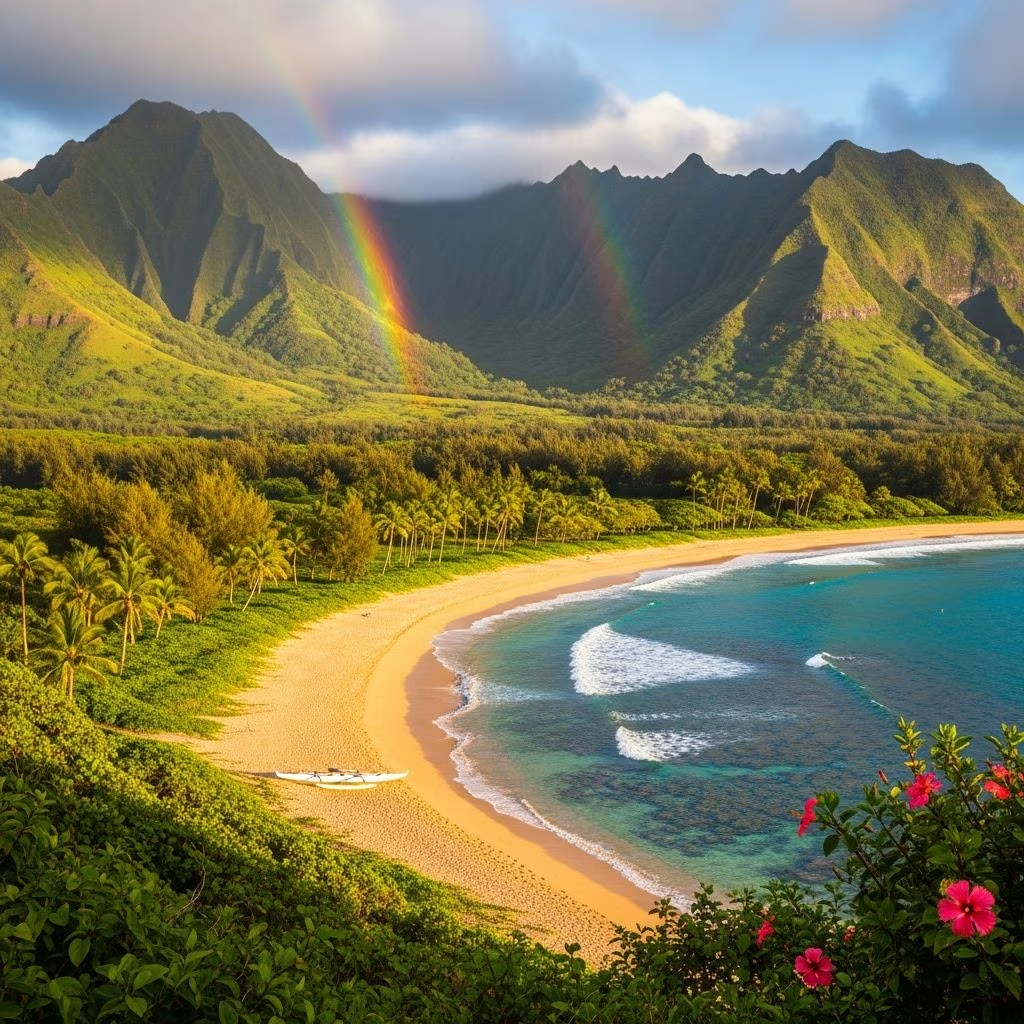 Travel Essentials
Planning your inaugural trip to Hawaii requires more than just booking flights and accommodations. The Hawaiian Islands present a unique combination of natural beauty, cultural significance, and practical considerations that first-time travelers should understand before arriving. This comprehensive guide addresses the most important factors that will shape your island experience, from understanding the climate patterns to respecting local customs and navigating daily logistics.
Many travelers assume Hawaii maintains consistent warm weather year-round, but the reality is more nuanced. Located 21 degrees north of the equator, Hawaii experiences distinct seasonal variations that affect both temperature and water conditions. Daytime temperatures typically range between 75-82 degrees Fahrenheit, with evenings cooling to the low 70s or even 60s during night hours. This moderate climate can be deceptive, as many visitors pack insufficient layers for cooler mornings and evenings.
One of the most important climate factors to grasp is Hawaii’s rainfall patterns. Despite the tropical paradise reputation, Hawaii averages approximately 90 “rainy” days annually. Rain can arrive suddenly, even during apparently clear summer days, particularly in windward areas affected by volcanic mountain formations. This doesn’t necessarily mean canceled plans—showers often pass quickly—but preparedness is essential.
Seasonal changes significantly impact your activities and comfort level. Summer months bring warmer water and air temperatures alongside lower surf conditions, making this ideal for beach relaxation and snorkeling. However, note that most Hawaiian homes and rental properties lack air conditioning, meaning summer accommodations can feel quite warm.
Water conditions fluctuate dramatically based on tidal movements and wind patterns. Before planning any beach or water-based activity—swimming, kayaking, surfing, stand-up paddleboarding, or coastal walking—research current conditions using specialized apps. If wave swells exceed 2-4 feet and you’re not an experienced surfer, it’s advisable to avoid those areas. Wind patterns vary significantly across the islands, affecting both comfort and activity feasibility.
Understanding these natural forces prevents disappointment and ensures safety. What appears as perfect beach weather can transform into challenging water conditions within hours. Experienced visitors check forecasts the morning of their planned activities rather than relying on advance reservations alone.
Hawaii’s casual culture means you can pack considerably lighter than for most destinations. Formal clothing is rarely necessary—jeans are considered fancy in many contexts. Focus on a carry-on sized bag with essentials: swimwear, a couple of casual outfits, and comfortable clothing. This approach saves baggage fees and aligns with local dress norms.
Several specific items deserve particular attention when packing:
If you’re renting a vehicle, expect significant parking challenges. Hotel workers and local guides consistently recommend departing locations after 9 a.m. and returning either before 3 p.m. or after 6 p.m. to avoid peak traffic. One visitor reported successfully following this pattern throughout their entire trip while traveling between Ko Olina, Pearl Harbor, and the North Shore without encountering problematic congestion.
Assume you’ll spend considerable time searching for parking, particularly at popular beaches and attractions. This reality affects how you should pack—hauling surf boards or paddle boards becomes significantly more challenging when parking remotely. In areas like Lanikai and Kailua, especially on weekends, bicycles offer superior practicality compared to cars.
Many of Hawaii’s most beautiful beaches and trailheads are accessed through residential neighborhoods requiring careful navigation. Be respectful of local parking restrictions and road signs, as towing enforcement is strict in these areas.
Understanding Hawaiian history and culture fundamentally changes how you experience the islands. Modern Hawaii’s tourism industry has significantly transformed traditional island life, and this reality is important to acknowledge. Reading books by Hawaiian authors and learning basic historical context demonstrates respect and deepens your appreciation for the destination.
This cultural awareness extends to everyday interactions. Respect local communities, follow posted regulations, and understand that many beaches and hiking locations are accessed through residential areas where visitors should minimize disruption. The tourism economy impacts Hawaiian communities in complex ways, making conscious, respectful behavior important.
Hawaii’s diverse beaches serve different purposes. Understanding which locations match your interests prevents wasted travel time:
| Beach Name | Best For | Characteristics |
|---|---|---|
| Lanikai | Swimming | Beautiful, calm waters ideal for swimmers |
| Waimanalo | Swimming | Scenic swimming destination with good water conditions |
| Pupukea | Snorkeling | Excellent marine life viewing opportunities |
| Hanauma Bay | Snorkeling | Protected reef with abundant tropical fish |
| Ko’olina | Families with small children | Calm, protected waters safe for young swimmers |
| Ala Moana | Families with small children | Accessible, gentle waves suitable for toddlers |
| Turtle Beach (North Shore) | Wildlife viewing | Opportunity to swim near wild sea turtles |
Sunset and Sandy Beach attract spectators wanting to watch experienced surfers, but these locations aren’t suitable for typical swimmers due to powerful currents and dangerous conditions. Conversely, calm beaches like Ko’olina and Ala Moana provide excellent family environments with minimal wave action.
Research specific beaches before committing your time. Many popular spots involve traversing challenging roads, so advance planning prevents disappointment. Windward-side beaches and sheltered coves often provide better conditions than exposed areas facing direct ocean swells.
Hawaiian cuisine represents more than just meals—it’s cultural expression. Seek out authentic local food establishments, particularly on the windward side. Traditional treats like malasadas from Leonard’s and shrimp trucks near Kahuku offer genuine local flavors unavailable elsewhere. These experiences connect you to island culture beyond typical tourist establishments.
Several locations merit dedicated time during your visit:
Hawaii’s volcanic landscapes offer spectacular hiking opportunities. Popular trails include Lanikai Pill Box, Koko Head, and Diamond Head, each providing unique perspectives of the islands. Research trail conditions and difficulty levels before committing, as some paths involve challenging terrain or significant elevation gain.
Hawaii maintains moderate temperatures year-round (75-82°F daytime), but evenings cool to 60s-70s, and rain is frequent. Pack layers and weather-appropriate clothing despite the tropical reputation.
Travel after 9 a.m. departures and return before 3 p.m. or after 6 p.m. to minimize congestion. This strategy consistently works across different islands.
Use only reef-safe sunscreen formulations. Standard sunscreen damages coral ecosystems and is often restricted or prohibited in certain areas.
Hawaii has fewer mosquitoes than many tropical destinations, but they’re still present. Pack insect repellent to avoid discomfort.
Summer offers calmer waters and warmer temperatures ideal for beach activities and snorkeling. Consider your specific activity preferences when planning.
Successful Hawaii travel depends on realistic expectations and advance preparation rather than spontaneous decisions. Understanding climate variations, respecting local culture, planning transportation strategically, and researching specific locations transform your visit from a generic vacation into a meaningful island experience. The combination of natural beauty, cultural richness, and practical considerations makes Hawaii uniquely rewarding for first-time visitors willing to invest in proper planning.
