

 Travel Essentials
 Travel Essentials

Navigate Paris confidently with essential transportation tips, neighborhood insights, must-see attractions, dining recommendations, and practical advice designed specifically for first-time visitors.
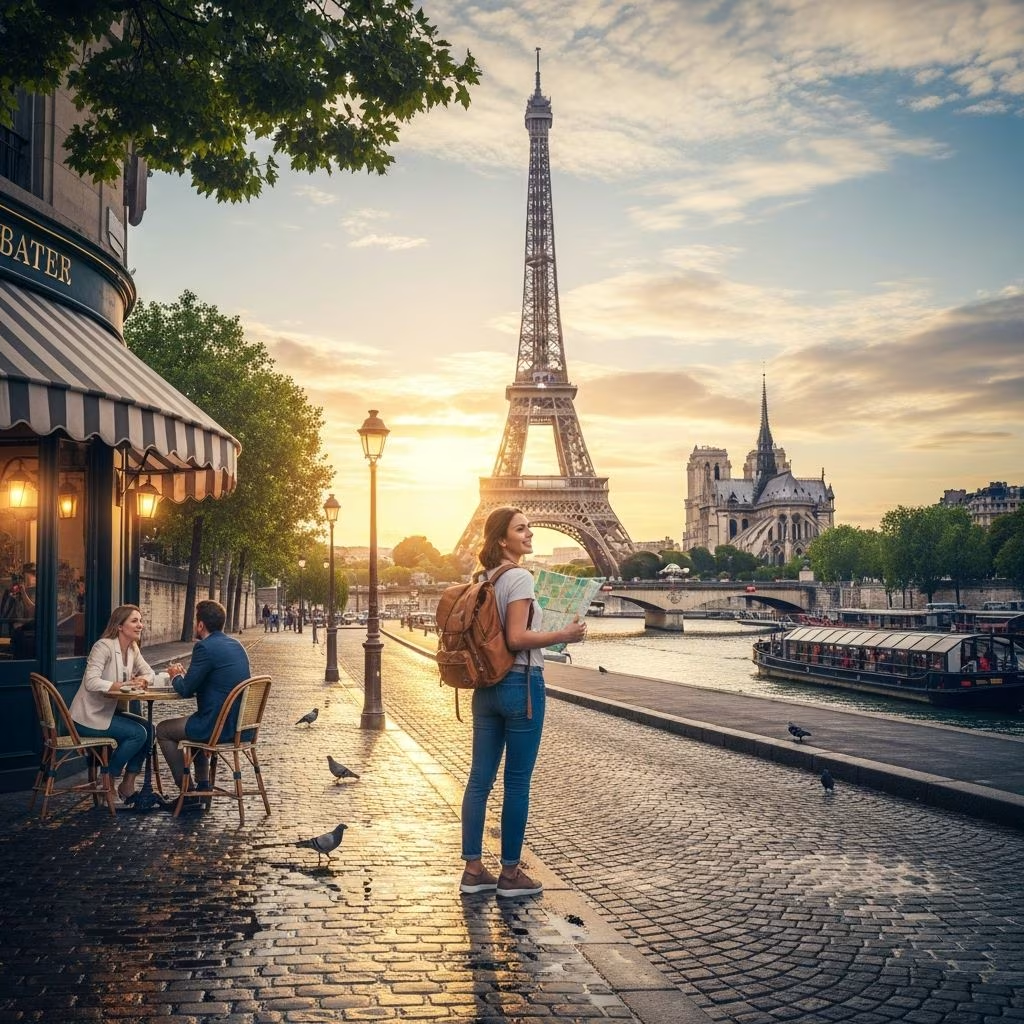 Travel Essentials
Arriving in Paris for the first time evokes a sense of wonder that few destinations can match. The combination of historic architecture, artistic heritage, culinary excellence, and vibrant street life creates an experience that captures the imagination. Whether you’re drawn by the romance associated with the Seine, the world-class museums, or simply the desire to immerse yourself in French culture, Paris rewards preparation with unforgettable memories. This comprehensive guide equips first-time visitors with the knowledge needed to navigate the city effectively, discover hidden gems alongside iconic landmarks, and create a personalized Parisian experience that resonates long after departure.
Paris may seem overwhelming at first, but its structure follows a logical system that becomes intuitive once understood. The city is divided into twenty distinct administrative zones called arrondissements, which spiral outward from the city center like a snail shell. The 1st arrondissement occupies the heart of Paris and represents ground zero for orientation purposes. From this central point, each subsequent arrondissement fans outward in a numbered sequence, creating a natural organizing principle for navigating neighborhoods and planning daily itineraries.
The Seine River serves as another crucial geographical reference point, bisecting Paris into the Left Bank (Rive Gauche) and Right Bank (Rive Droite). These two sides of the river developed distinct characteristics over centuries. The Right Bank hosts many major museums, luxury shopping districts, and governmental buildings, while the Left Bank earned its reputation as the intellectual and artistic heart of Paris, home to bohemian neighborhoods, independent bookstores, and academic institutions. Understanding this fundamental division helps orient yourself and appreciate how different areas developed their unique personalities.
First-time visitors benefit greatly from starting explorations in central Paris before gradually expanding outward. This approach prevents exhaustion from excessive transit while allowing familiarity with the core attractions that define the city’s identity. As comfort and orientation improve, venturing into peripheral neighborhoods reveals authentic Parisian life removed from primary tourist routes.
The Paris Metropolitan Transit Authority operates an integrated transportation network that efficiently connects the entire city. The Métro (metropolitan subway) comprises thirteen color-coded and numbered lines that form the backbone of urban mobility. Each line is clearly marked with its number and designated color, making visual navigation straightforward even for visitors unfamiliar with French terminology. Signs throughout stations display line numbers, colors, and directional information indicating the final destination served by each route. Maps posted inside every train car allow passengers to track their position and anticipate upcoming stops, reducing anxiety about navigating unfamiliar routes.
For travel beyond central Paris, the Regional Express Rail (RER) network complements the Métro with five lines labeled alphabetically and color-coded for easy identification. The RER connects Paris to outer suburbs and major destinations including airports, making it essential for both arriving visitors and those planning day trips to surrounding areas.
Multiple ticketing options exist depending on your visit duration and frequency of transportation use. Single Métro tickets typically cost €2.10, while discounted ten-ticket packages reduce per-journey costs to approximately €0.87. Visitors staying for several days may prefer multi-day passes that offer unlimited travel across the entire network. Tourist passes combining public transportation access with museum entries provide additional savings for culture-focused travelers.
Beyond public transit, alternative transportation methods suit different travel styles and preferences. Walking remains the most intimate way to experience Paris, allowing spontaneous discoveries and detailed observation of architectural details that rapid transit prevents. Bicycle rental programs through Vélib stations scatter over 1,000 locations throughout the city with approximately 20,000 available bikes. Inspecting rentals for damage before departure prevents complications mid-journey. For visitors uncomfortable with cycling or preferring motorized convenience, ride-sharing services provide door-to-door transportation, though these typically cost more than public transit.
Choosing where to stay significantly influences the character of your Parisian experience. Central neighborhoods offer maximum access to major attractions but come with higher accommodation costs and greater tourist density. The 1st arrondissement represents the ultimate central location, placing visitors within walking distance of the Louvre Museum, Jardin des Tuileries, and riverside sites. This premium positioning attracts visitors prioritizing convenience despite potentially compromising authentic local atmosphere.
Les Marais, spanning the 3rd and 4th arrondissements, strikes a balance between accessibility and neighborhood character. This historically Jewish quarter evolved into a trendy district filled with contemporary art galleries, boutique shopping, and innovative restaurants while maintaining architectural charm and genuine street life. The neighborhood hosts Place des Vosges, an elegant arcaded square perfect for leisurely afternoon exploration or casual dining.
Saint-Germain-des-Prés exemplifies the Left Bank’s intellectual heritage with centuries-old cafés where philosophers and writers conducted debates that shaped European thought. The neighborhood maintains this bohemian spirit while offering world-class shopping and dining. Montmartre, perched atop a northern hill, combines tourist attractions like Sacré-Cœur basilica with genuinely local streets where neighborhood residents conduct daily life away from main thoroughfares.
The Latin Quarter, centered around the Sorbonne university, attracts travelers seeking youthful energy and intellectual atmosphere. This neighborhood prioritizes budget-friendly dining and accommodations while offering proximity to major museums and historic sites. Evening strolls along winding medieval streets reveal why students and bohemians have gravitated toward this area for centuries.
French dining traditions represent far more than sustenance; they embody values around quality, craftsmanship, and social connection. First-time visitors unfamiliar with French restaurant customs benefit from understanding key protocols. Advance reservations prove essential for established restaurants, particularly dinner service and weekends. Popular establishments fill months in advance, making last-minute walk-ins unlikely to secure tables. Many restaurants close between lunch and dinner service, typically between 3 PM and 7 PM, so timing considerations matter when planning daily schedules.
Casual neighborhood bistros and cafés operate with more flexible policies and welcome spontaneous visitors. Outdoor café seating, particularly popular in pleasant weather, enables people-watching while enjoying refreshments—a quintessentially Parisian leisure activity. Breakfast in Paris differs significantly from American traditions, typically consisting of café au lait (coffee with milk) and a croissant or pastry rather than extensive hot meals.
Exploring neighborhood markets provides both practical provisions and cultural immersion. Morning markets like Bastille Market offer fresh produce, artisanal cheeses, cured meats, and baked goods perfect for picnics at scenic locations such as Place des Vosges or riverside parks. These informal eating experiences often provide more authentic flavor of local life than formal dining venues.
Bakeries occupy central importance in Parisian daily life. Seeking out neighborhood boulangeries reveals remarkable craft devoted to bread production. Streets like Rue des Martyrs concentrate bakeries and specialty food shops serving established customer bases rather than tourist flows. These establishments represent genuine community anchors where regulars maintain relationships with proprietors spanning years.
Certain locations achieve iconic status through historical significance or artistic importance that justifies priority scheduling despite tourist crowds. The Louvre Museum houses the Mona Lisa alongside hundreds of thousands of artworks spanning millennia of human creativity. The museum’s vast scale demands strategic planning—attempting comprehensive exploration in a single visit leads to exhaustion without meaningful engagement. Selecting specific galleries or collections aligns better with genuine appreciation than superficial coverage of entire floors.
Musée d’Orsay specializes in Impressionist and Post-Impressionist works within an elegantly repurposed railway station overlooking the Seine. This museum strikes a better scale for concentrated viewing than the Louvre, allowing visitors to encounter masterworks without overwhelming sensory overload. The building itself constitutes an artwork worthy of attention independent of its contents.
Sacré-Cœur basilica crowns Montmartre hill, offering both architectural grandeur and panoramic city views from its steps. The ascent through neighborhood streets behind the main attraction reveals local commerce and genuine daily life removed from primary tourist zones. Rue Lepic provides particularly atmospheric exploration with winding passages and neighborhood establishments serving residents rather than visitors.
The Eiffel Tower requires no introduction as Paris’s most recognizable symbol. Initial close proximity encounters may disappoint those expecting transcendent experiences; instead, appreciating the structure from unexpected viewpoints throughout the city often produces more memorable impressions. Arc de Triomphe provides commanding perspectives across Paris from its elevated position, offering views encompassing the Eiffel Tower and radiating avenues that define the city’s monumental scale.
Luxembourg Gardens provides verdant escape from urban intensity, featuring manicured lawns, tree-lined pathways, and traditional café seating where Parisians of all backgrounds gather. This location represents the city at leisure rather than in transit, offering windows into social rituals that define Parisian culture.
Museum admission costs accumulate quickly for visitors pursuing comprehensive cultural exploration. The Paris Museum Pass provides access to dozens of major institutions at significant discounts compared to individual ticket purchases. Passes typically cover the Louvre, Musée d’Orsay, Sainte-Chapelle with its stunning stained glass, and numerous other collection sites. The pass also includes architectural attractions like Arc de Triomphe and Versailles, making comprehensive sightseeing economically feasible.
Budget-conscious travelers should note that the first Sunday of each month grants free admission to many major museums. Planning visits strategically around these dates substantially reduces accommodation and activities costs while enabling access to institutions otherwise requiring paid admission. This approach works particularly well for visitors with flexible scheduling.
Effective advance planning prevents common frustrations that plague unprepared travelers. Booking accommodations several months ahead ensures optimal selection and pricing, particularly for visits during spring and autumn peak seasons. Confirming transportation from airports or train stations eliminates arrival confusion and stress. Researching neighborhood characteristics aligns accommodation selection with personal preferences for activity levels and authentic experience versus tourist-oriented convenience.
Learning fundamental French phrases demonstrates respect for local culture and frequently generates warmer interactions than assuming English will suffice. Simple greetings, polite requests, and basic needs vocabulary typically prove sufficient for tourist contexts while signaling genuine effort toward cultural engagement. Even imperfect pronunciation usually receives encouraging responses from locals appreciating attempted language use.
Obtaining travel insurance before departure protects against unexpected medical expenses or travel disruptions. European healthcare systems charge foreign visitors substantially more than residents, making insurance particularly valuable. Verifying that credit cards offer fraud protection and international transaction capabilities prevents financial complications during extended stays abroad.
Understanding tipping customs prevents awkward moments at restaurant tables. French dining culture differs from American traditions regarding gratuity expectations. Service charges are typically included in listed prices, and additional tipping represents optional appreciation rather than customary obligation. Rounding to nearest euros or leaving small percentage additions works appropriately for exceptional service without appearing excessive.
While planning provides essential foundation, the best Parisian experiences often emerge from unplanned wandering. Morning hours, when tourist crowds remain minimal, offer optimal opportunities for atmospheric exploration and genuine neighborhood observation. Sunrise viewing over the Seine captures the city in moments of quiet beauty before daily activity intensifies.
Deliberately getting lost within neighborhoods, armed with knowledge that metro stations remain nearby for return transport, leads to discoveries that guidebooks never mention. Small parks, neighborhood shops, residential streets, and local establishments frequented by residents rather than tourists reveal authentic Paris that curated tours cannot provide. Photography opportunities often emerge from unexpected angles and quiet moments rather than famous viewpoints crowded with people seeking identical images.
Balancing planned activities with open exploration time creates rhythm between structured sightseeing and organic discovery. Allocating specific days for major attractions while reserving other periods for neighborhood wandering produces satisfaction and flexibility. This approach prevents the relentless rushing that transforms travel into exhausting checklists rather than genuine experiences.
Paris welcomes visitors year-round, with each season offering distinct advantages and challenges. Spring brings moderate temperatures, blooming gardens, and manageable tourist crowds. Summer provides long daylight hours enabling extended exploration but generates peak visitor density and higher accommodation costs. Autumn recreates spring’s pleasant climate while summer crowds diminish. Winter offers fewer tourists and lower prices, though shorter daylight hours and occasional cold weather require different packing considerations.
Avoiding peak holiday periods such as Easter, summer school vacations, and Christmas enables smaller crowds and better restaurant availability. Late September through early November provides ideal balance of pleasant weather with significantly reduced visitor pressure compared to summer months.
