

 Travel Essentials
 Travel Essentials

Plan your dream South Africa trip with a 12-day itinerary blending Cape Town's beauty, wildlife adventures in Kruger, and cultural gems. Essential tips for seamless first-time exploration.
 Travel Essentials
South Africa captivates first-time visitors with its stunning landscapes, vibrant cities, rich history, and unparalleled wildlife encounters. This comprehensive guide offers a tailored 12-day itinerary, practical planning advice, and insider highlights to ensure your inaugural journey is seamless and memorable.
The Rainbow Nation blends dramatic coastlines, ancient fossil sites, world-class vineyards, and iconic safaris into one accessible destination. Excellent infrastructure, English as a widely spoken language, and diverse experiences make it ideal for beginners. Whether scaling mountain peaks or tracking the Big Five—lion, leopard, elephant, buffalo, and rhino—South Africa delivers adventure without overwhelming complexity.
Start with these foundational steps for a stress-free adventure:
This optimized route maximizes variety: coastal splendor, urban culture, wine heritage, and bushveld thrills. Fly into Cape Town International (CPT), out from Johannesburg (JNB).
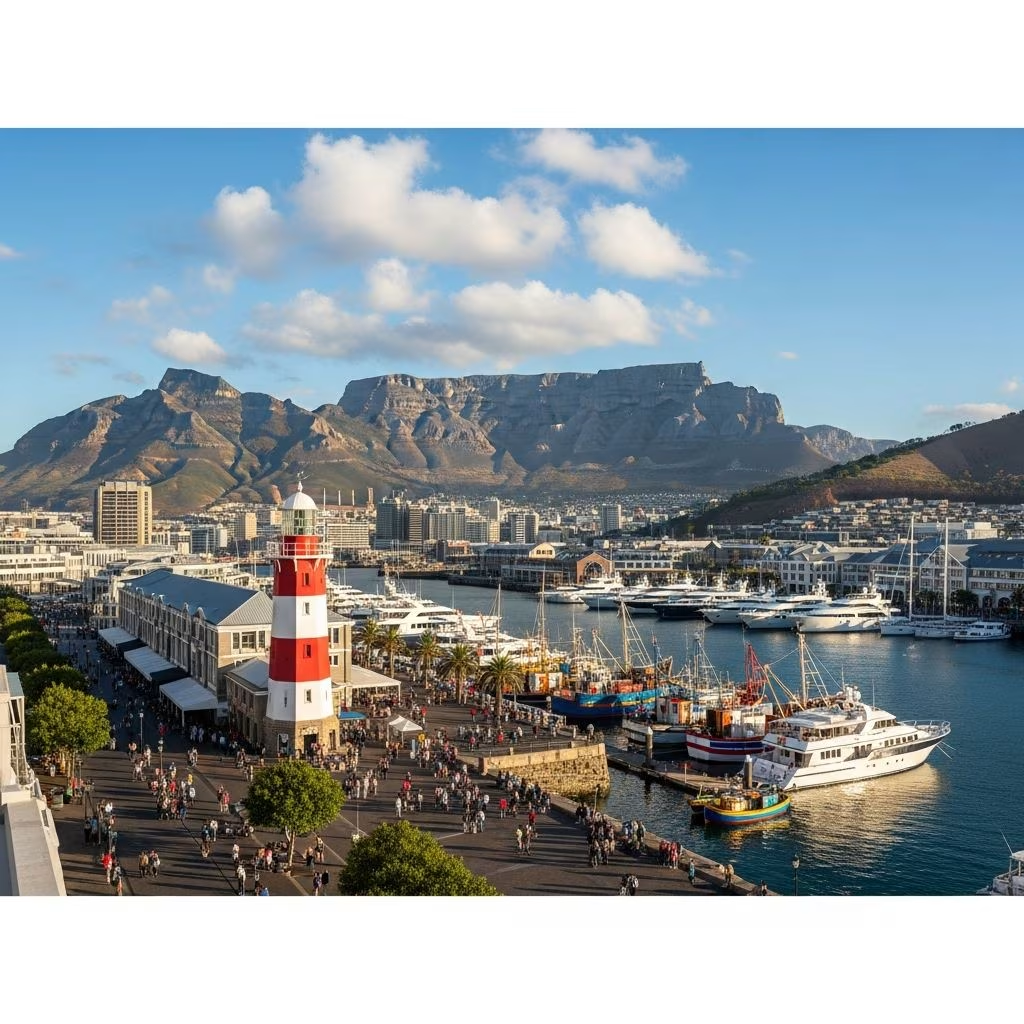
Touch down in Cape Town, the Mother City, nestled beneath Table Mountain. Day 1: Settle into your V&A Waterfront hotel, stroll harborside eateries, and savor fresh seafood. Day 2: Ascend Table Mountain via cable car for panoramic vistas of the city bowl, Atlantic shores, and Robben Island—site of Nelson Mandela’s 18-year imprisonment. Follow with a guided tour: explore the historic Castle of Good Hope, vibrant Bo-Kaap quarter with its candy-colored homes and Cape Malay cuisine, and lush Company’s Garden.
Venture south along Chapman’s Peak Drive, a cliff-hugging masterpiece with 114 bends overlooking turquoise seas. Reach Cape Point in Table Mountain National Park: hike or funicular to the lighthouse for views where oceans collide. Spot baboons, zebras, and ostriches amid fynbos flora. Day 4: Visit Boulders Beach’s playful African penguins, then relax in Simon’s Town or hike to scenic coves.
Drive 45 minutes to Stellenbosch or Franschhoek, cradles of South Africa’s wine industry. Tour estates like fairytale-like vineyards, sample Chenin Blanc and Pinotage. Delve into Huguenot history at memorials showcasing 17th-century French settlers’ architecture. Highlights: chocolate pairings, motor museums with vintage cars, and farm-to-table lunches amid oak-lined avenues. Stay in a Cape Dutch manor for authentic charm.
Fly to Johannesburg (1.5 hours). Day 8: Apartheid Museum chronicles the struggle for freedom; Constitution Hill reflects democratic rebirth. Evening in lively Maboneng Precinct for street art and dining. Day 9: Explore the Cradle of Humankind UNESCO site—Sterkfontein Caves yielded 3.3-million-year-old fossils, illuminating human origins. Guided walks reveal limestone caverns and prehistoric exhibits.
Short flight to Kruger, Africa’s premier game reserve spanning 7,500 square miles. Base at a private lodge in Sabi Sands for intimate Big Five sightings via open-vehicle drives at dawn and dusk. Spot herds at waterholes, leopards in trees, and elephants trumpeting. Night drives reveal nocturnal wonders; bush walks with armed rangers introduce smaller species. Conclude with a boma dinner under stars, blending African rhythms and gourmet fare.
Beyond the itinerary, prioritize these hallmarks:
| Experience | Location | Why Go |
|---|---|---|
| Table Mountain Cableway | Cape Town | 360° views of city and sea |
| Cape Peninsula Drive | Cape Point | Wildlife and ocean drama |
| Wine Tasting Tours | Franschhoek | World-class vintages, history |
| Safari Game Drives | Kruger | Big Five guarantees |
| Robben Island Ferry | Cape Town | Mandela’s legacy |
South Africa’s road network rivals Europe’s; rent cars with GPS for flexibility. Uber thrives in cities. For safaris, lodges arrange transfers. Pack layers for variable weather, neutral tones for bush, and reef-safe sunscreen. Malaria risk is low outside summer in Kruger—use prophylaxis as advised. Currency: South African Rand (ZAR); cards widely accepted.
Braise bobotie (spiced mince pie), bunny chow (curry in bread), and braai (barbecue). Cape Winelands offer refined tasting menus; Johannesburg pulses with fusion township eats. Engage respectfully: learn ‘sawubona’ (Zulu hello), support community tourism.
10-14 days balances key regions without rush.
Yes, with precautions: join group tours, use rideshares.
Possible but flights save time; reserves often require guides.
Lion, leopard, rhino, elephant, buffalo—must-see safari icons.
Binoculars, hat, insect repellent, adapters (Type D/M plugs).
Extend your adventure along the Garden Route: forests, lagoons, ostrich farms from Mossel Bay to Tsitsikamma. Or luxury trains like Rovos Rail link Cape Town to Kruger in opulent style.
