


 Food & Culture
Food & Culture
Flavor Tourism: How Local Food Shapes Travel Experiences
Explore the transformative power of food in travel, from immersive tours to authentic dishes that reveal cultural heritage and create lasting memories.
 Food & Culture
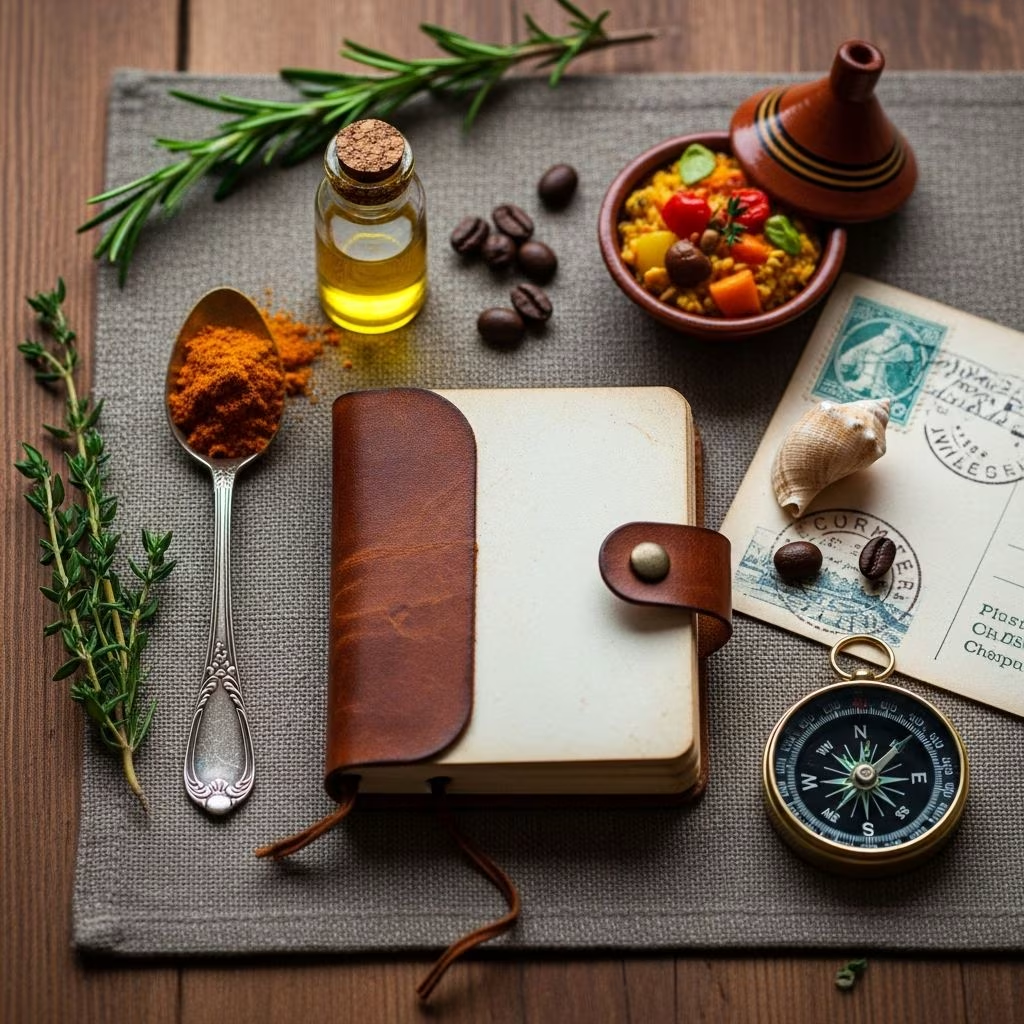
Food transcends mere sustenance in travel; it serves as a profound portal to a destination’s identity, weaving together history, culture, and community into every bite. Travelers increasingly seek these sensory encounters to deepen their journeys beyond surface-level sights.
The Rise of Culinary Exploration in Modern Journeys
Contemporary travelers prioritize gastronomic immersion, viewing local dishes as essential to understanding a place. This shift marks a evolution from casual dining to intentional flavor pursuits, where meals narrate stories of landscapes and traditions. Research highlights how authentic cuisine boosts satisfaction and loyalty, mediated by enhanced perceptions of the destination’s image.
Flavor tourism emphasizes the synergy of taste, aroma, and context, fostering personal connections that visual tourism alone cannot match. Destinations leverage this by promoting unique culinary identities, turning meals into memorable anchors for visitors.
Why Flavors Forge Deeper Connections
Sensory experiences like taste and smell evoke vivid, emotional recollections, often more potent than sights or sounds. While some studies note challenges in retrieving detailed food memories, the emotional resonance remains unmatched, anchoring travelers to places long after departure.
- Emotional Anchors: A single dish can summon landscapes, festivals, and faces encountered years prior.
- Cultural Windows: Ingredients reflect local agriculture, climate, and ingenuity, revealing societal values.
- Social Bonds: Shared meals with locals bridge divides, creating authentic interactions.
This phenomenon drives repeat visits, as positive culinary impressions elevate overall destination appeal.
Practical Ways to Immerse in Local Tastes
Embarking on food-focused adventures requires strategy to avoid tourist traps and embrace genuineness.
Join Guided Culinary Walks
Food tours led by knowledgeable guides offer curated samplings of street eats, markets, and hidden eateries. These walks blend navigation with narratives, explaining ingredient origins and preparation rituals, ideal for solo or group explorers.
Visit Vibrant Markets and Farms
Markets pulse with fresh produce, spices, and ready-to-eat specialties, providing unfiltered glimpses into daily life. Farm visits allow hands-on harvesting, connecting flavors directly to soil and seasons.
Dine in Family-Run Spots
Seek modest establishments where recipes pass through generations, prioritizing quality over flash. Conversations with owners unveil family histories intertwined with regional lore.
| Method | Best For | Pro Tip |
|---|---|---|
| Food Tours | Beginners, Groups | Book small-group options for intimacy. |
| Markets | Spontaneous Tasters | Arrive early for peak freshness. |
| Home Kitchens | Cultural Deep Dives | Use platforms like EatWith for vetted hosts. |
| Cooking Classes | Hands-On Learners | Choose those using seasonal locals ingredients. |
Signature Dishes That Define Destinations
Certain foods emblemize places, becoming marketing cornerstones that lure food pilgrims. These icons encapsulate terroir—the unique environmental essence captured in cuisine.
- Japan’s Fiery Yakitori: Char-grilled skewers marinated in soy and mirin, their smoky blaze evoking street-side izakayas and post-work rituals.
- Lebanon’s Spiced Grills: Meats kissed by flames and layered with sumac, za’atar, offering bold, aromatic profiles tied to Levantine hospitality.
- Kansas City’s Burnt Ends: Crispy, sauce-glazed brisket trimmings from slow-smoked barbecue, symbolizing American heartland ingenuity.
These examples illustrate fire’s universal role in amplifying flavors, a thread linking diverse culinary worlds.
Global Hotspots for Flavor Seekers
Southeast Asia surges in popularity, with Vietnam’s pho, Cambodia’s amok, and Malaysia’s nasi lemak drawing adventurers via bold, herbaceous profiles.
Other rising stars include Peru’s ceviche, where citrus ‘cooks’ fresh seafood, and Ethiopia’s injera-fermented flatbread scooping fiery wats. Each spot promises narratives of adaptation and resilience through food.
Health and Sustainability in Culinary Travel
Mindful eating enhances experiences while respecting environments. Opt for seasonal, foraged items to minimize carbon footprints and support regenerative farming. Official tourism boards promote sustainable gastronomy, aligning flavor quests with ethical practices.
Health-conscious travelers benefit from nutrient-dense local fare, often fresher than imports, though moderation tempers spice-induced indulgences.
Challenges and How to Overcome Them
Allergies, spice tolerances, and language barriers can hinder. Research common allergens per region—nuts in Southeast Asia, dairy in the Mediterranean. Apps translating menus and indicating heat levels prove invaluable.
Vegetarian or vegan options abound in places like India or Taiwan, but confirm preparations avoid meat stocks. Persistence yields rewards, as locals often accommodate with creativity.
FAQs: Culinary Travel Essentials
What is flavor tourism?
It involves traveling primarily to experience and learn about a destination’s unique food culture, emphasizing sensory and cultural depth over sightseeing.
How does local food improve travel memories?
Taste and smell trigger strong emotional responses, creating vivid, long-lasting associations with places and people.
Are food tours worth the cost?
Yes, they provide expert insights, safe navigation, and authentic spots, maximizing value for time-strapped visitors.
How can I find sustainable eateries abroad?
Look for certifications from bodies like Slow Food or local eco-labels, and prioritize farm-to-table venues.
What if I have dietary restrictions?
Pre-research via apps like HappyCow, carry translation cards, and communicate clearly—most cultures adapt hospitably.
Building Your Flavor-Focused Itinerary
Plan around peak harvest seasons for optimal freshness. Allocate meal times generously, treating them as cultural events. Journal tastes, pairing notes with photos for later reflection. Post-trip, recreate dishes at home using imported spices to prolong the journey.
Signature events like food festivals amplify immersion—think Thailand’s Songkran street food fairs or Italy’s truffle hunts. These gatherings blend flavors with communal joy.
Ultimately, tasting locally transforms passive observation into active participation, etching destinations into one’s core. As global mobility rebounds, culinary quests promise richer, more meaningful explorations.
References
- A little taste, a sense of place: flavour tourism mapped out — Simpleview Inc. 2023. https://www.simpleviewinc.com/blog/stories/post/a-little-taste-a-sense-of-place-flavour-tourism-mapped-out/
- Travel Through Taste: An Immersive Guide to Local Food Culture — Travel Bug Tonic. 2023. https://www.travelbugtonic.com/travel-blog/food-culture
- The Taste of a Destination: Flavors worth traveling for — Lonely Planet. 2023. https://www.lonelyplanet.com/articles/flavor-of-a-destination
- Adventure Through Flavor — McCormick Flavor. 2021-03. https://www.mccormickflavor.com/articles/2021/03/adventure-through-flavor
- The Flavor of Place: Examining the Impact of Authentic Local Cuisine — International Journal of Sustainable Aviation and Food (peer-reviewed). 2023. https://www.ijsaf.org/index.php/ijsaf/article/view/630
- Why Local Food is the Key Ingredient to a Travel Experience — Much Better Adventures. 2023. https://www.muchbetteradventures.com/magazine/food-and-adventure-travel/
On This Page
The Rise of Culinary Exploration in Modern Journeys Why Flavors Forge Deeper Connections Practical Ways to Immerse in Local Tastes Signature Dishes That Define Destinations Global Hotspots for Flavor Seekers Health and Sustainability in Culinary Travel Challenges and How to Overcome Them FAQs: Culinary Travel Essentials Building Your Flavor-Focused Itinerary← Previous
Best Hikes in Burgundy: Vineyards, Villages & Wild Trails
Next →
Best Parks in Milan: Top Green Spaces, Gardens & Urban Oases
Related Reading
More in Food & Culture
Food & Culture Food & Culture
 Food & Culture
Best Places to Eat in Rome: Neighborhood Dining Guide
 Food & Culture
 Food & Culture