


 Food & Culture
Food & Culture
Florence Bans Outdoor Dining on Key UNESCO Streets in 2026
Florence bans outdoor dining on 50+ historic streets starting 2026 to protect UNESCO sites, sparking debate between residents, tourists, and eateries amid overtourism woes.
 Food & Culture
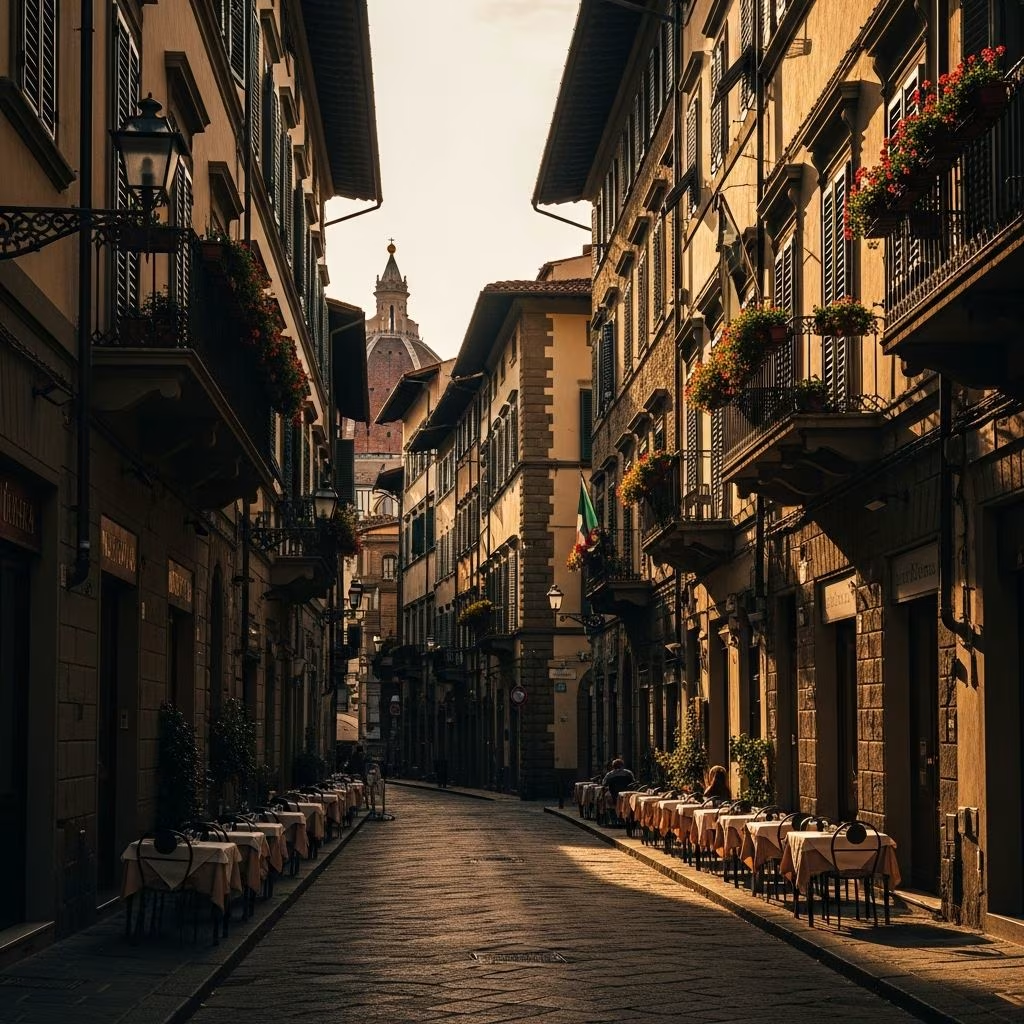
Florence, the cradle of the Renaissance, is taking decisive action to protect its UNESCO-listed historic core by imposing a ban on outdoor dining across numerous key streets and tightening regulations elsewhere, effective from 2026. This policy shift addresses long-standing grievances from locals about overcrowding and aesthetic degradation in the city’s picturesque alleys and piazzas.
The Surge of Alfresco Culture and Its Consequences
The explosion of outdoor dining in Florence traces back to the COVID-19 era, when Italian authorities relaxed public space occupancy rules to rescue a battered hospitality sector. Restaurants and cafes swiftly expanded terraces, umbrellas, and enclosures onto sidewalks and squares, capitalizing on pent-up demand for open-air experiences. While this revitalized eateries and delighted tourists seeking authentic Tuscan meals under the stars, it soon overwhelmed narrow medieval lanes designed for foot traffic, not dining setups.
Residents have voiced frustration over blocked pathways, noise pollution, and a proliferation of plastic barriers, branded signage, and garish lighting that clash with Florence’s timeless architecture. Iconic views—from the Arno River bridges to Renaissance palazzos—now compete with cluttered tabletops, eroding the city’s visual harmony. Local advocacy groups argue that these changes have rendered central neighborhoods unlivable, prompting city officials to intervene after years of mounting complaints.
Details of the New Regulatory Framework
The Florence city council, in partnership with heritage authorities, unveiled comprehensive guidelines in early 2025, marking the most significant update to public space rules in over a decade. Core elements include:
- Complete Bans: Outdoor seating prohibited on approximately 50-60 streets within the UNESCO-protected zone, targeting high-traffic historic arteries.
- Restricted Zones: An additional 70-73 locations will permit dining under stringent conditions, categorized into types from basic table-and-chair setups (Type A) to partially enclosed structures (Type B1-D).
- Design Mandates: No plastic tarps, oversized umbrellas, or weatherproof awnings; emphasis on natural decor like potted plants and flowers to blend with surroundings.
- Prohibited Elements: Advertising banners, colored lights, and commercial branding in sensitive areas to maintain architectural purity.
Enforcement began promptly, with inspections yielding dozens of fines in the initial weeks, signaling zero tolerance for non-compliance.
Affected Landmarks and Neighborhoods
The restrictions zero in on Florence’s most treasured sites, ensuring unobstructed appreciation of their splendor. Key areas include:
| Landmark/Street | Status | Impact on Visitors |
|---|---|---|
| Ponte Vecchio | Banned | No riverside tables; focus shifts to pedestrian flow and jewelry shop views. |
| Piazzale degli Uffizi | Banned | Clears space around Uffizi Gallery for unhindered art contemplation. |
| Palazzo Vecchio | Banned/Restricted | Limits enclosures near city hall, preserving piazza openness. |
| Via Roma | Banned | Shopping street regains pedestrian priority over cafe sprawl. |
| Larger Piazzas (e.g., Signoria, Santa Maria Novella) | Pending Review | Decisions forthcoming by year-end 2025. |
These measures prioritize narrow vias and high-traffic heritage zones, sparing broader squares for now but with ongoing evaluations.
Stakeholder Perspectives: A Divided City
The policy elicits polarized reactions. Tourism chief Jacopo Vicini champions it as essential for ‘protecting public spaces and Florentine heritage,’ enhancing daily life for the 380,000 residents amid 16 million annual visitors. Neighborhood associations applaud the reclaiming of sidewalks, citing improved walkability and reduced ‘visual pollution.’
Conversely, hospitality owners decry the economic fallout. Daniela of Ristorante Pizzeria Il David emphasized that outdoor areas are ‘fundamental’ to survival amid soaring costs and slim margins. Industry representatives warn of job losses and diminished tourist appeal, arguing that alfresco dining embodies Italy’s charm. Balancing preservation with commerce remains a tightrope walk for officials.
Broader Overtourism Challenges in Florence
This ban forms part of Florence’s multifaceted anti-overtourism arsenal. Complementary measures include prohibiting rental e-scooters from April 1, 2026, due to helmet non-compliance, chaotic parking, and sidewalk hazards—exacerbated by a new national mandate. Visitor caps at the Duomo and Accademia Gallery, along with cruise ship limits, underscore a city grappling with sustainability.
Italy-wide, Venice’s entry fees and Rome’s gladiator reenactment curbs reflect a continental pushback. Florence’s dining rules, however, stand out for their aesthetic focus, leveraging its UNESCO status—designated in 1982 for embodying Renaissance genius—to justify stringent controls.
Implications for Travelers Planning 2026 Visits
Tourists should adapt expectations: iconic street-side gelato or pasta al fresco may relocate indoors or to peripheral zones. Opt for:
- Compliant eateries in approved areas with plant-adorned terraces.
- Picnics in parks like Boboli Gardens, bypassing urban restrictions.
- Evening strolls unmarred by dining crowds, amplifying Florence’s magical ambiance.
Businesses face adaptation pressures—resizing operations, investing in compliant designs—but many innovate with elegant, low-profile setups. Early compliance data suggests most will pivot successfully.
Potential Long-Term Outcomes and Adaptations
Proponents predict a renaissance of Florence’s authenticity: quieter streets fostering deeper cultural immersion. Critics foresee revenue dips, potentially curbing low-quality tourism in favor of discerning visitors valuing heritage over convenience.
Monitoring will be key; pilot phases and public feedback could refine rules. Similar to Barcelona’s Superblock model or Paris’s terrasse regulations, Florence may pioneer urban tourism equilibrium.
Frequently Asked Questions (FAQs)
When do the outdoor dining restrictions start in Florence?
Primarily from 2026, with some elements enforced since February 2025; full rollout targets historic center streets.
Which streets are completely off-limits for outdoor dining?
Around 50-60, including Ponte Vecchio, Piazzale degli Uffizi, Via Roma, and areas near Palazzo Vecchio.
Can restaurants still have any outdoor seating?
Yes, on 73+ streets with strict categories limiting enclosures, materials, and decor—no plastics or ads.
Why is Florence doing this?
To combat overtourism clutter, protect UNESCO heritage, and improve resident quality of life.
Will this affect major tourist squares?
Decisions pending for Piazza Signoria, etc., expected by late 2025.
Are there fines for non-compliance?
Yes, 30 issued in the first 20 days post-rules.
These changes herald a more sustainable Florence, where beauty triumphs over bustle. Visitors and locals alike stand to gain from a reclaimed historic heart.
References
- Florence Makes Huge Change to Outdoor Dining — The Daily Beast. 2025-approx. https://www.thedailybeast.com/florence-ends-outdoor-dining-downtown-as-numbers-swell/
- Is Florence really banning outdoor dining? What to know about the new restrictions — Time Out. 2025-approx. https://www.timeout.com/news/is-florence-really-banning-outdoor-dining-what-to-know-about-the-new-restrictions-111925
- Florence Bans, Tightens Rules On Outdoor Dining To Protect UNESCO Heritage Streets — NDTV. 2025-approx. https://www.ndtv.com/travel/florence-tightens-rules-on-outdoor-dining-to-protect-unesco-heritage-streets-11286416
- Florence bans outdoor dining and e-scooters in 2026 — Rick Steves Community. 2025-approx. https://community.ricksteves.com/travel-forum/italy/florence-bans-outdoor-dining-and-e-scooters-in-2026
- New rules for outdoor dining areas in Florence — The Florentine. 2026-01-23. https://www.theflorentine.net/2026/01/23/new-rules-outdoor-dining-areas-florence/
On This Page
The Surge of Alfresco Culture and Its Consequences Details of the New Regulatory Framework Affected Landmarks and Neighborhoods Stakeholder Perspectives: A Divided City Broader Overtourism Challenges in Florence Implications for Travelers Planning 2026 Visits Potential Long-Term Outcomes and Adaptations Frequently Asked Questions (FAQs)← Previous
Best Glamping in New York: Luxury Stays in the Great Outdoors
Next →
TSA PreCheck Touchless ID: How Facial Recognition Speeds Airport Security
Related Reading
More in Food & Culture
Food & Culture Food & Culture
 Food & Culture
Best Places to Eat in Rome: Neighborhood Dining Guide
 Food & Culture
 Food & Culture