

 Travel Essentials
 Travel Essentials

Explore the Florida Keys via the iconic Overseas Highway: top stops, best times to visit, planning tips, and must-see attractions in this ultimate road trip guide.
 Travel Essentials
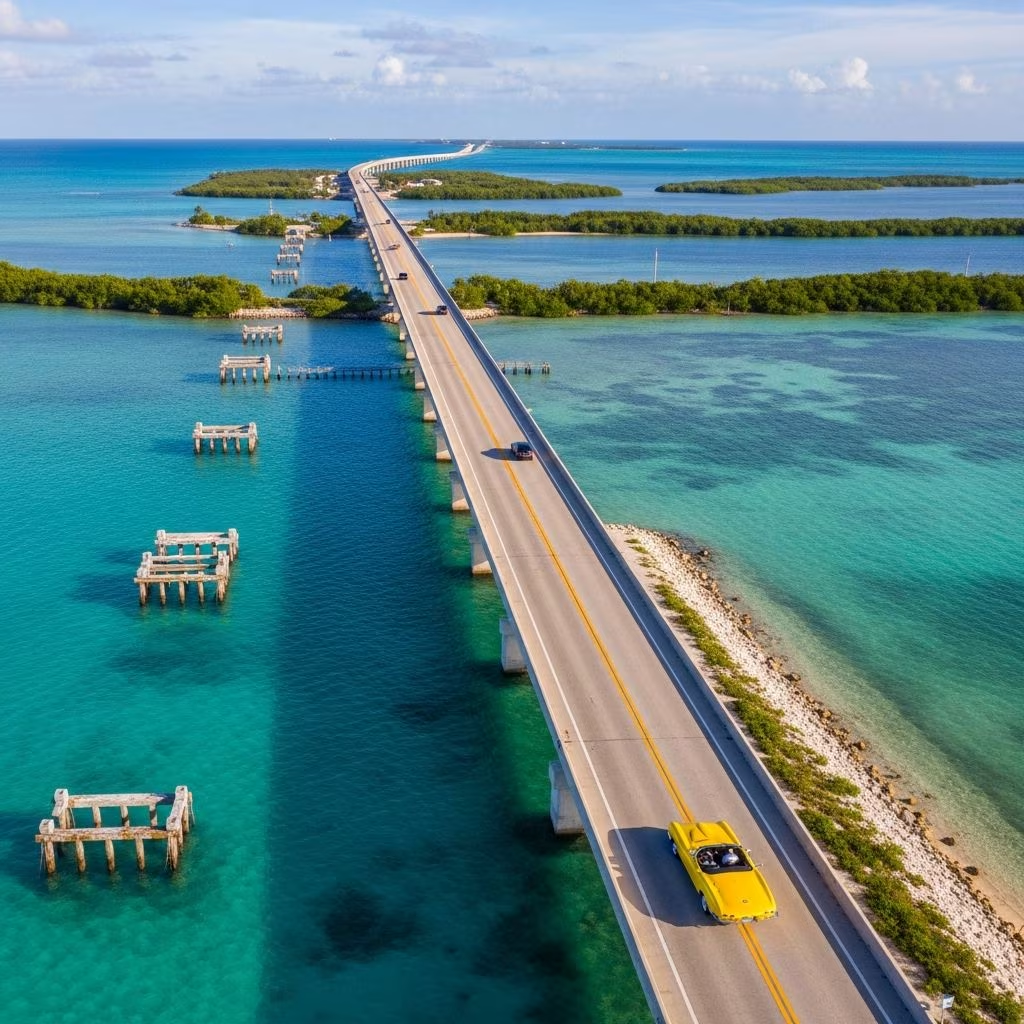
The Florida Keys stretch out like a string of emerald jewels into the turquoise waters south of Miami, connected by the engineering marvel known as the Overseas Highway. This 113-mile stretch of U.S. 1 crosses 42 bridges, linking mangrove-fringed islands, vibrant coral reefs, and quirky coastal communities. Whether you’re chasing sunsets in Key West or snorkeling in crystal-clear waters, this road trip offers a perfect blend of relaxation, adventure, and natural beauty.
The Overseas Highway’s story begins in the early 20th century with visionary industrialist Henry Flagler, who extended the Florida East Coast Railway to Key West in 1912. This Overseas Railroad revolutionized access to the islands, transforming them from isolated outposts reachable only by boat into booming tourist destinations. A devastating 1935 Labor Day Hurricane destroyed much of the rail line, prompting the repurposing of its roadbed into the highway we drive today. Completed in 1938 after car ferries bridged gaps, the modern version features wider bridges built in the 1980s, including the famous new Seven Mile Bridge.
Today, mile markers from 126 near Homestead down to 0 in Key West serve as your guide, counting down to the continental U.S.’s southernmost point. The drive from Miami to Key West takes about 3.5 hours without stops, but plan for much longer to savor the journey.
Timing your trip maximizes enjoyment and minimizes hassles. The optimal window is October to February, when temperatures hover around 80°F (27°C), skies are clear, and humidity is low—ideal for outdoor pursuits. This peak season brings crowds, so book accommodations early. Summer (June-September) ushers in hurricane season with hot, humid days and potential storms, offering fewer visitors and lower rates but requiring weather vigilance.
Start in Homestead or Key Largo (Mile 106-100) and weave westward. Key clusters include Upper Keys (Key Largo-Islamorada), Middle Keys (Marathon), Lower Keys (Big Pine Key), and Key West. Allocate 4-7 days for a thorough exploration.
| Mile Marker | Key/Stop | Highlights |
|---|---|---|
| 106-100 | Key Largo | John Pennekamp Coral Reef State Park ($8/vehicle entry). |
| 90-70 | Islamorada | Indian Key Historic State Park, fishing charters. |
| 65-47 | Marathon | Seven Mile Bridge, Dolphin Research Center (9am-4:30pm). |
| 40-10 | Lower Keys | Bahia Honda State Park beaches, National Key Deer Refuge. |
| 0 | Key West | Southernmost Point, Duval Street nightlife. |
Kick off in Key Largo, the ‘Dive Capital of the World.’ John Pennekamp Coral Reef State Park protects 70 nautical square miles of vibrant reefs; snorkel tours reveal Christ of the Abyss statue and teeming marine life ($8 vehicle fee, limit 2-8 people). Nearby, the Florida Keys Wild Bird Rehabilitation Center rescues feathered friends amid mangrove boardwalks.
Islamorada (Mile 90-70), the ‘Sportfishing Capital,’ buzzes with charters targeting tarpon and mahi-mahi. Explore Windley Key Fossil Reef Geological State Park’s quarry walls etched with railroad history, or paddle through mangroves at Robbies of Islamorada—feed tarpon off the dock for a thrill.
The Middle Keys shine with the iconic Seven Mile Bridge, a 7-mile engineering feat paralleling its historic predecessor. Pedestrians can walk the old span for panoramic views. Marathon hosts the Dolphin Research Center (9am-4:30pm daily), where rescued dolphins perform and educate on conservation.
Crane Point Hammock (9am-5pm Mon-Sat, noon-5pm Sun) offers trails through hardwood hammocks, a museum on Keys ecology, and pirate history exhibits. Sombrero Beach provides calm waters for swimming, while Curry Hammock State Park (8am-dusk) features elevated boardwalks over tidal wetlands.
Beyond Marathon, Bahia Honda State Park stands out with pristine beaches like Sandspur and Loggerhead, remnants of the 1912 rail bridge framing turquoise vistas. Snorkel reefs right offshore or camp oceanfront.
Big Pine Key shelters the endangered Key deer in the National Key Deer Refuge—spot these pint-sized beauties at dusk along Key Deer Boulevard. No Name Key’s banyan-shaded bar serves key lime pie amid feral chickens. Sugarloaf Key tempts with kayaking in the Great White Heron National Wildlife Refuge.
Arrive at Mile 0 amid conch republic flair. The Southernmost Point Buoy draws lines for photos—visit late afternoon to beat crowds. Wander Duval Street’s galleries, bars, and live music; sunset at Mallory Square features jugglers and buskers.
Delve into history at Ernest Hemingway Home (cats included), Harry S. Truman Little White House, or Fort Zachary Taylor State Park for snorkeling and beaches. Dry Tortugas National Park, a ferry ride away, boasts pristine Fort Jefferson amid bird rookeries.
Getting There: Fly into Miami International (MIA), rent a car (convertibles recommended), and head south on US 1. No public transit spans the full route.
Lodging: Options range from resorts like Hawks Cay to vacation rentals and campgrounds. Book 6+ months ahead for peak season.
Budget Breakdown:
Pack Smart: Sunscreen, bug spray, reusable water bottle, snacks (limited services), snorkel gear if preferred.
Yes, Miami to Key West takes 3-4 hours straight, but stops make it a full-day adventure. Overnight for immersion.
No tolls; it’s free public highway.
Yes at designated beaches; watch for currents, jellyfish seasonally.
Glass-bottom boats or snorkel tours from John Pennekamp or Bahia Honda.
Many parks allow leashed pets; check specifics.
The Keys’ ecosystems face threats from development, warming oceans, and rising seas. Support by using reef-safe sunscreen, sticking to trails, and choosing sustainable operators. Coral restoration projects thrive—volunteer or donate.
