

 Travel Essentials
 Travel Essentials

Experience Fogo Island's remote beauty through coastal trails, fishing villages, artist studios, and iconic accommodations nestled in Newfoundland's North Atlantic.
 Travel Essentials
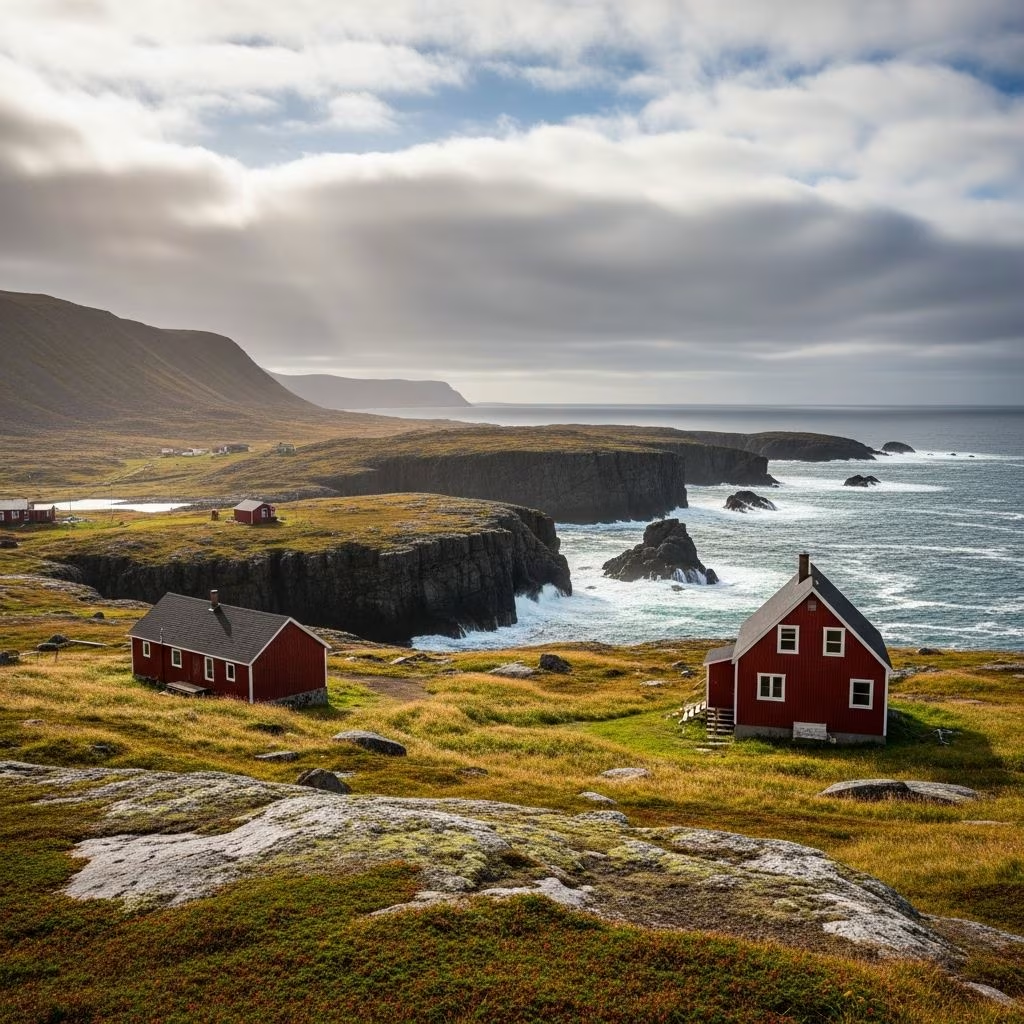
Nestled off the northeastern coast of Newfoundland, Fogo Island represents one of Canada’s most captivating and least-explored destinations. This remote island, home to approximately 7,000 residents spread across twelve distinct communities, offers visitors an intoxicating blend of rugged natural beauty, rich cultural heritage, and contemporary artistic expression. The island’s isolation has preserved its authentic character, making it an ideal retreat for travelers seeking genuine connection with both landscape and community.
Getting to Fogo Island requires intentional travel planning, as the destination’s remoteness is part of its appeal. The island’s primary access point is via ferry service from mainland Newfoundland. Travelers must first drive to Farewell, located on Newfoundland’s northeast coast via Route 331 and Route 335 branching from Route 330 north of Gander. The ferry crossing itself takes approximately 45 to 60 minutes, making the journey an integral part of the experience rather than merely a transit.
For those preferring air travel, EVAS Air Charters operates regular service between Gander and Fogo Island, providing an alternative to the ferry crossing. During peak summer season, arriving at the ferry terminal 60 to 90 minutes early is advisable, as wait times can extend to one or two hours during busy periods. Weather conditions occasionally impact ferry schedules, so confirming sailings in advance remains essential for trip planning.
Once on the island, a personal vehicle becomes necessary for exploration. Communities are separated by short distances—typically between 10 and 20 minutes of driving—but public transportation options are limited. The Fogo Island Hotel arranges vehicle pickup service for guests, eliminating the need to transport a car via ferry for those staying at this luxury accommodation.
Most visitors can experience Fogo Island’s highlights within two to three days, though extended stays allow deeper immersion into island culture and artistic communities. The summer months offer the most favorable conditions for outdoor activities, though spring and fall provide advantages for iceberg viewing and fewer crowds. Winter travel is possible but requires preparation for challenging weather conditions and shortened daylight hours.
The Town of Fogo serves as the island’s commercial and social hub, straddling a narrow channel that separates the main island from Fogo Head. As the largest community on the island, this settlement concentrates most retail establishments, dining options, and essential services. The town’s historical significance stems from its deep connection to the fishing industry spanning the 18th through 20th centuries, when fish merchants established prosperous enterprises here.
Wandering through Fogo’s streets reveals architectural treasures and cultural landmarks. Historic churches, museums, and heritage buildings punctuate the streetscape, offering glimpses into centuries past. The Brimstone Head Trail, originating near this community, provides one of the island’s most rewarding hiking experiences, culminating in vistas encompassing the Atlantic Ocean and surrounding landscape.
Beyond the main town, Fogo Island’s twelve communities each maintain distinct characters shaped by geographic position and cultural traditions. Joe Batt’s Arm exemplifies these picturesque fishing settlements, positioned along dramatic coastlines where traditional cod fishing practices shaped community identity. Local legend attributes the community’s name to Joseph Batt, believed to be a deserter from Captain James Cook’s expedition in the 1750s, whose popularity among residents led to naming the settlement in his honor.
Tilting represents another significant community, distinguished by its Irish-Canadian heritage. This village provides access to Turpin’s Trail, a hiking route offering perspectives of coastal landscapes and artist studios throughout the northeastern section of the island.
Fogo Island’s hiking network showcases diverse terrain ranging from coastal bluffs to interior marshlands. The trails accommodate various fitness levels and time commitments, making outdoor exploration accessible to most visitors.
Each trail incorporates storytelling elements through interpretive signs, transforming physical exertion into educational experiences. The island’s ecosystem supports diverse wildlife, and hikers frequently encounter seabirds, fishing boats, and occasionally whales or salmon breaching offshore waters.
Contemporary Fogo Island has emerged as an artist destination attracting creative practitioners from across North America. The Shorefast Foundation operates several artist studios distributed throughout island communities, providing residencies and exhibition spaces. Notable studios include the Long Studio and the Bridge Studio, both accessible via hiking trails and community explorations. This artistic infusion creates distinctive cultural energy, where traditional fishing heritage coexists with modern creative practice.
Fogo Island’s position on Iceberg Alley offers spectacular opportunities for viewing these natural wonders during spring and early summer months. The island sits within a region renowned for iceberg sightings, including destinations such as Twillingate, Bonavista, and Battle Harbour. While visible from shore, boat tours and kayaking expeditions provide optimal viewing experiences, bringing visitors into closer proximity with these magnificent formations.
The IcebergFinder.com website tracks iceberg locations in real-time, enabling travelers to plan viewing expeditions strategically. Weather conditions and seasonal ice drift patterns influence iceberg presence, making spring visits most reliable for iceberg encounters.
Fogo Island accommodates diverse travel preferences and budgets. The Fogo Island Hotel stands as the island’s most distinctive lodging, representing contemporary luxury architecture integrated into coastal landscapes. This acclaimed property offers comprehensive amenities alongside curated cultural programming and artistic engagement. Budget-conscious travelers find options in basic campgrounds, modest inns, and community guesthouses distributed throughout the island’s settlements.
Dining establishments serve contemporary preparations alongside traditional seafood offerings, reflecting the island’s fishing heritage. Local restaurants emphasize regional ingredients and culinary traditions, providing authentic Newfoundland dining experiences.
A comprehensive two-day Fogo Island experience incorporates diverse activities balancing outdoor exploration with cultural immersion. Day one typically focuses on arrival via ferry, community orientation in the Town of Fogo, and evening exploration of local establishments. Day two emphasizes trail hiking, artist studio visitation, and community exploration in settlements such as Tilting or Joe Batt’s Arm. Extended stays allow participation in seasonal activities, deeper artist interaction, and relaxed community engagement.
The Fogo Island Visitors Information Centre, located on Highway 333 at 70 Man’O’War Cove Road, sits merely two minutes from the ferry terminal. Staff provide current information regarding accommodations, dining, attractions, and seasonal activities. Consulting the official Newfoundland and Labrador tourism website provides comprehensive destination details and planning resources.
Fogo Island’s appeal extends beyond typical tourist attractions. The island represents authenticity increasingly rare in contemporary travel—a place where traditions persist, artists thrive, and natural landscapes dominate human development. The ferry crossing creates psychological transition, signaling departure from mainland concerns into island temporality. The modest community scale enables genuine human interaction rather than transactional tourism experiences.
Whether motivating factors center on coastal landscapes, artistic communities, hiking adventures, or cultural exploration, Fogo Island delivers substantive experiences rewarding the logistical effort required to reach it. The island’s remoteness, rather than constituting an obstacle, represents the destination’s fundamental value proposition—a genuine escape into North Atlantic authenticity.
Two to three days suffices for experiencing primary attractions. Extended stays allow deeper community engagement and artistic exploration.
Summer offers optimal hiking conditions and reliable weather. Spring provides iceberg viewing opportunities. Fall features fewer crowds and striking natural color. Winter requires preparation but attracts adventurous travelers.
Yes. Communities are separated by short distances, but public transportation is unavailable. A personal vehicle enables full exploration.
Advance booking is recommended, particularly during peak summer season. Accommodation options are limited, and ferry wait times extend during busy periods.
Several restaurants serve traditional seafood alongside contemporary cuisine. Options are concentrated in larger communities such as the Town of Fogo.
