


 Food & Culture
Food & Culture
Food Safety for Digital Nomads: Eat Safely While Traveling
Digital nomads face unique food poisoning risks from street eats to unfamiliar cuisines. Learn proven prevention tactics, safe dining choices, and emergency steps to stay healthy on the move.
 Food & Culture
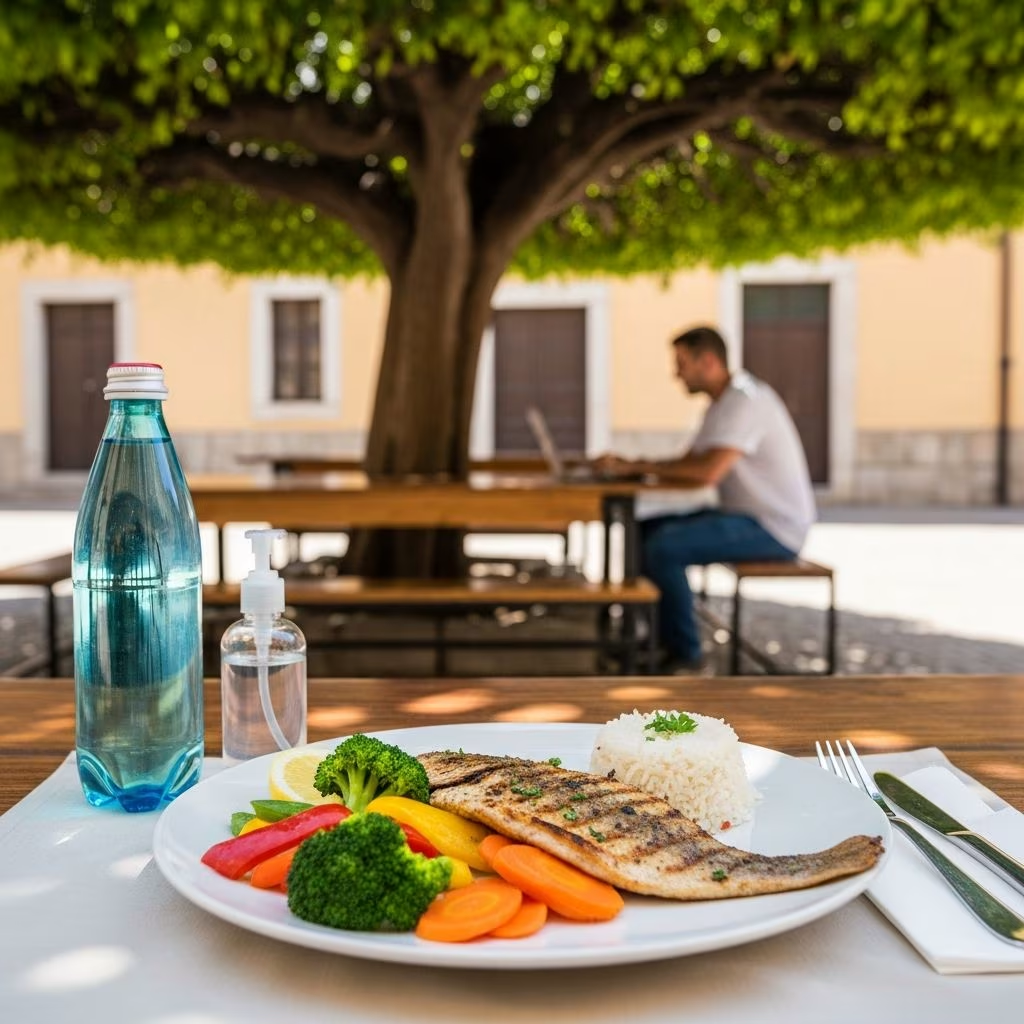
Digital nomads thrive on flexibility, hopping between cities and countries while working remotely. Yet this lifestyle exposes them to heightened risks of foodborne illnesses from diverse street vendors, local markets, and eateries. Pathogens like Salmonella, E. coli, and Listeria lurk in unprepared foods, potentially derailing trips with days of sickness. Mastering prevention is key to maintaining productivity and enjoying destinations fully.
Core Principles of Food Safety on the Road
Adopting universal food safety practices forms the foundation for nomads. The CDC outlines four critical steps: Clean, Separate, Cook, and Chill, applicable everywhere from hostel kitchens to market stalls. These principles minimize bacterial growth and cross-contamination, essential in environments with varying hygiene standards.
- Clean: Wash hands with soap for 20 seconds before eating or handling food. Use sanitizer if water is suspect. Rinse produce under running water, scrubbing firm items like cucumbers.
- Separate: Keep raw meats away from ready-to-eat items to prevent germ transfer. Use dedicated cutting boards in shared spaces.
- Cook: Ensure meats reach safe internal temperatures: poultry at 165°F (74°C), beef at 160°F (71°C), fish at 145°F (63°C).
- Chill: Refrigerate perishables below 40°F (4°C); never leave food out over 2 hours, or 1 hour in heat above 90°F (32°C).
Navigating Street Food and Markets Confidently
Street food fuels nomad budgets and immersions, but it’s a hotspot for risks. Choose vendors with high turnover for fresher items, indicating quick sales and less stagnation. Boiled or piping-hot dishes like soups or grilled skewers are safer than lukewarm offerings where bacteria multiply.
| Risk Level | Safe Choices | Avoid |
|---|---|---|
| Low Risk | Freshly fried items, steaming noodles, peeled fruits | Raw salads, cut fruits exposed to air |
| Medium Risk | Well-cooked meats from busy stalls | Reheated rice, creamy sauces sitting out |
| High Risk | – | Unpasteurized dairy, raw seafood |
Observe preparation: Favor spots with clean stations and running water. In tropical climates, ice in drinks can harbor contaminants unless made from boiled water.
Smart Grocery and Self-Cooking Tactics
For nomads in Airbnbs or co-living spaces, shopping smart prevents mishaps. Buy at trip’s end to keep cold items chilled; check use-by dates rigorously. Store raw proteins on fridge bottom shelves to avoid drips onto produce.
Wash all imports thoroughly, even packaged goods. In regions with iffy water, use bottled or boiled for rinsing. Invest in a food thermometer for precision cooking—vital for ground meats prone to undercooking. Freeze extras if not eating within 3-4 days.
Dining Out: Spotting Safe Establishments
Restaurants vary wildly abroad. Seek off-peak visits when kitchens aren’t rushed, reducing errors like undercooking. Scan for hygiene: Clean floors, staff with hairnets, visible food thermometers signal compliance. Health inspection scores, often online or posted, guide choices.
- Request modifications: Pasteurized eggs in sauces, cooked veggies over raw.
- Wipe shared surfaces with sanitizer before use.
- Opt for single-serve condiments over communal shakers.
Avoid buffets unless foods are steaming or iced properly; self-serve increases contamination odds.
Water and Beverage Safety Essentials
Contaminated water underpins many illnesses. Stick to sealed bottled water or verify boiling/purification. Skip tap for brushing teeth or ice in low-income areas. Carbonated or hot drinks are generally safe. For coffee/tea, ensure freshly boiled water.
High-Risk Foods to Sidestep Abroad
Certain items amplify dangers for travelers with potentially compromised immunity from jet lag or stress. Leafy greens, sprouts, and unpasteurized cheeses foster bacteria. Raw or pink meats, runny eggs, and street juices invite trouble.
In Asia or Latin America, dodge cut watermelon or guacamole prepped earlier. Europe might tempt with raw milk products—pasteurized only. Tailor avoidance to local advisories.
Boosting Immunity and Daily Habits
Beyond food, nomads should prioritize sleep, hydration, and probiotics to fortify against pathogens. Probiotic yogurts (if pasteurized) or supplements aid gut resilience. Stay current on vaccines like Hepatitis A and Typhoid, crucial for developing regions.
Recognizing and Handling Food Poisoning
Symptoms strike 6-48 hours post-exposure: vomiting, diarrhea, fever, cramps. Mild cases resolve in days with hydration (ORS packets ideal). Severe signs—blood in stool, dehydration, 3+ days duration—demand medical care.
Track what you ate; alert companions or eateries if outbreaks suspected. Travel insurance covering gastro issues proves invaluable.
FAQ: Nomad Food Safety Quick Guide
Is street food ever safe for nomads?
Yes, prioritize busy vendors with hot, fresh preparations. Avoid anything room-temp or pre-cut.
What if water quality is unknown?
Use bottled, boiled, or treated water exclusively. No ice or raw rinses.
How to cook safely in short-term rentals?
Follow Clean-Separate-Cook-Chill; thermometer-check meats.
Best apps for restaurant safety checks?
Local health department sites or apps like those from WHO for outbreak alerts.
Can probiotics prevent traveler’s diarrhea?
They may reduce risk; combine with hygiene.
Country-Specific Nomad Hotspot Tips
Southeast Asia (Thailand, Vietnam): Hot stir-fries and pho are winners; skip raw papaya salad.
Latin America (Mexico, Colombia): Stick to sizzling tacos al pastor; avoid ceviche unless trusted.
Europe (Spain, Italy): Fresh pasta fine; question raw seafood tapas.
Adapt to intel from nomad forums and official travel health sites.
Safe eating empowers digital nomads to explore without fear. Consistent habits turn potential pitfalls into flavorful memories, sustaining health amid endless horizons.
References
- Preventing Food Poisoning | Food Safety — CDC. 2023-10-01. https://www.cdc.gov/food-safety/prevention/index.html
- 4 Steps To Prevent Food Poisoning — Chesapeake Regional Healthcare. 2023-05-15. https://chesapeakeregional.com/blog/4-steps-prevent-food-poisoning
- Avoid Food Poisoning by Following These Safety Tips — eCommunity Health Network. 2025-01-10. https://www.ecommunity.com/healthminute/2025/avoid-food-poisoning-following-these-safety-tips
- Food poisoning – prevention — Better Health Channel (Vic.gov.au). 2024-02-20. https://www.betterhealth.vic.gov.au/health/healthyliving/food-poisoning-prevention
- 11 Tips to Avoid Food Poisoning When Dining Out — AARP. 2024-07-12. https://www.aarp.org/health/healthy-living/avoid-food-poisoning-dining-out/
- Food poisoning prevention — MedlinePlus (NIH). 2024-11-05. https://medlineplus.gov/ency/article/001981.htm
- Poison Prevention While Traveling — Utah Poison Control. 2023-06-15. https://poisoncontrol.utah.edu/news/2023/06/poison-prevention-while-traveling
On This Page
Core Principles of Food Safety on the Road Navigating Street Food and Markets Confidently Smart Grocery and Self-Cooking Tactics Dining Out: Spotting Safe Establishments Water and Beverage Safety Essentials High-Risk Foods to Sidestep Abroad Boosting Immunity and Daily Habits Recognizing and Handling Food Poisoning FAQ: Nomad Food Safety Quick Guide Country-Specific Nomad Hotspot Tips← Previous
Airline Flight Credits: How to Use, Track, and Maximize Them
Next →
Jackson Hole Winter Weekend Itinerary for Non-Skiers
Related Reading
More in Food & Culture
Food & Culture Food & Culture
 Food & Culture
Best Places to Eat in Rome: Neighborhood Dining Guide
 Food & Culture
 Food & Culture