


 Food & Culture
Food & Culture
Food Travel Trends in 2026: Culinary Journeys, Fire Cooking, and Immersive Dining
Explore 2026's top food travel trends: from fire-cooked dishes and fermented flavors to emerging destinations like Thailand and interactive dining that blend culture and cuisine.
 Food & Culture
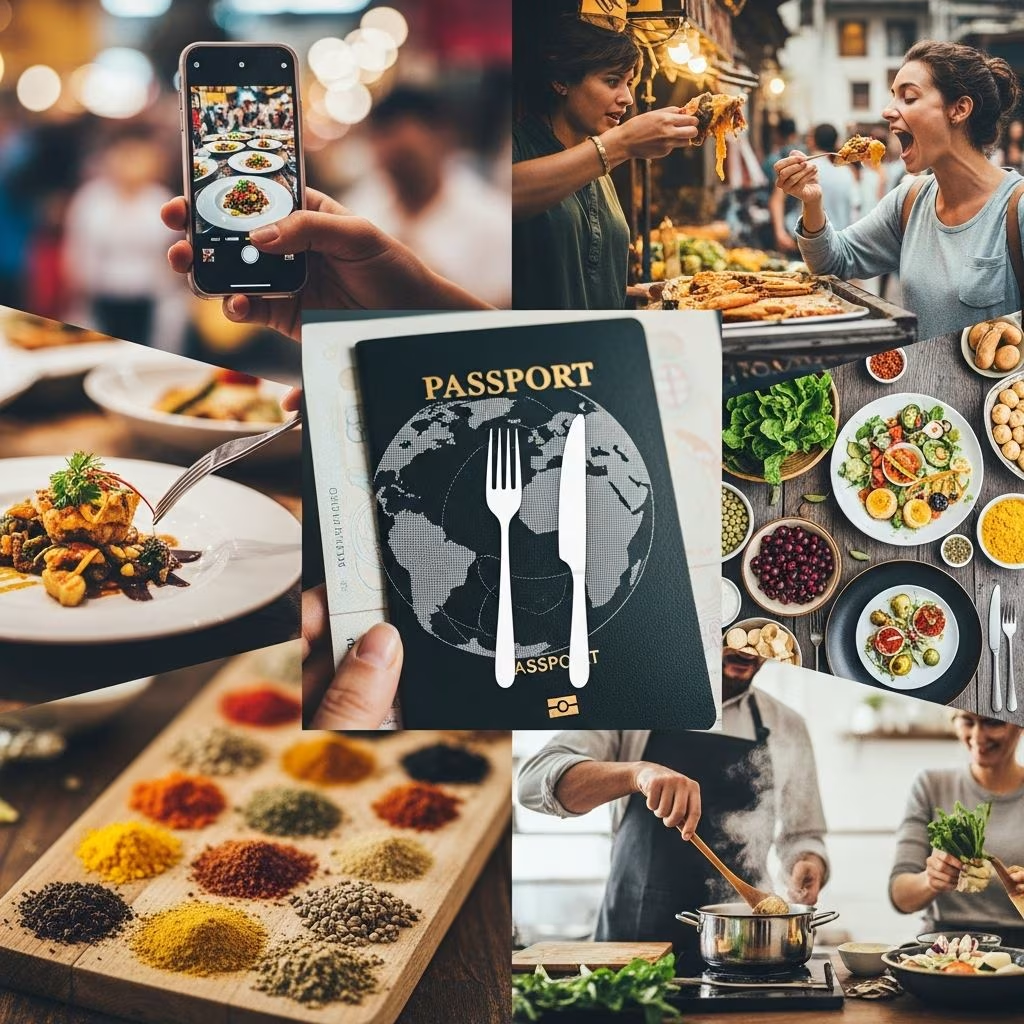
Food travel has evolved into a cornerstone of modern exploration, with nearly all travelers now prioritizing culinary encounters that reveal a destination’s soul. In 2026, this movement intensifies as gastronomic pursuits offer deeper cultural connections than conventional sightseeing.
The Rise of Experiential Culinary Journeys
Travelers are ditching scripted itineraries for hands-on food adventures that immerse them in local life. Data indicates 95% of global visitors qualify as “food travelers,” chasing meals that transcend mere eating to embody heritage and innovation. These journeys foster genuine interactions, from market strolls to chef collaborations, turning vacations into profound narratives.
Post-pandemic shifts amplify this trend, emphasizing sustainability and community ties. Culinary tours stand out by linking participants with artisans, revealing sourcing secrets and preparation rituals often invisible to outsiders. This approach not only enriches trips but also supports regional economies through direct patronage.
Fire and Smoke: The Primacy of Live-Flame Cooking
Open flames dominate 2026 menus, elevating primal techniques to sophisticated artistry. Chefs worldwide harness wood fires for nuanced flavors, as seen in Sweden’s Knystaforsen, where slow roasting in natural environs captivates diners. In Buenos Aires, parrillas like Anchoíta demand advance bookings for their refined grilling, mirroring Texas steakhouses gaining Michelin nods.
This revival stems from a craving for elemental authenticity. Fire imparts irreplaceable smokiness and texture, transforming proteins and produce alike. Travelers seek these experiences in tours featuring live demonstrations, blending education with indulgence.
Fermentation and Preservation: Ancient Methods Reimagined
Fermented and preserved elements surge as stars, infusing dishes with complexity and longevity. Mushrooms, teas, and caviar appear in starring roles across cuisines, moving beyond garnishes to foundational components. These techniques preserve seasonal bounty while layering umami depths that captivate palates.
In travel contexts, tours spotlight fermentation workshops, teaching visitors to craft kimchi or miso amid scenic backdrops. This hands-on learning extends shelf life for memories and skills, aligning with eco-conscious voyages that minimize waste.
Contemporary Twists on Timeless Traditions
Classic cuisines refresh with modern finesse, honoring roots while embracing lighter, bolder profiles. In Eastern Europe, Hungary and Poland’s eateries refine staples like meatloaf with truffle-infused purees and pepper sauces, as at Wrocław’s BABA. China’s wild mountain forages—porcini, matsutake—infuse Yunnan-inspired plates with earthy vitality.
Asian fusion evolves too, with spots like Ho Chi Minh City’s CieL and Kuala Lumpur’s Akar reinterpreting heritage through cutting-edge methods. Food tours in these hubs guide explorers through evolutions, tasting how history dialogues with innovation.
Global Hotspots for Culinary Discovery
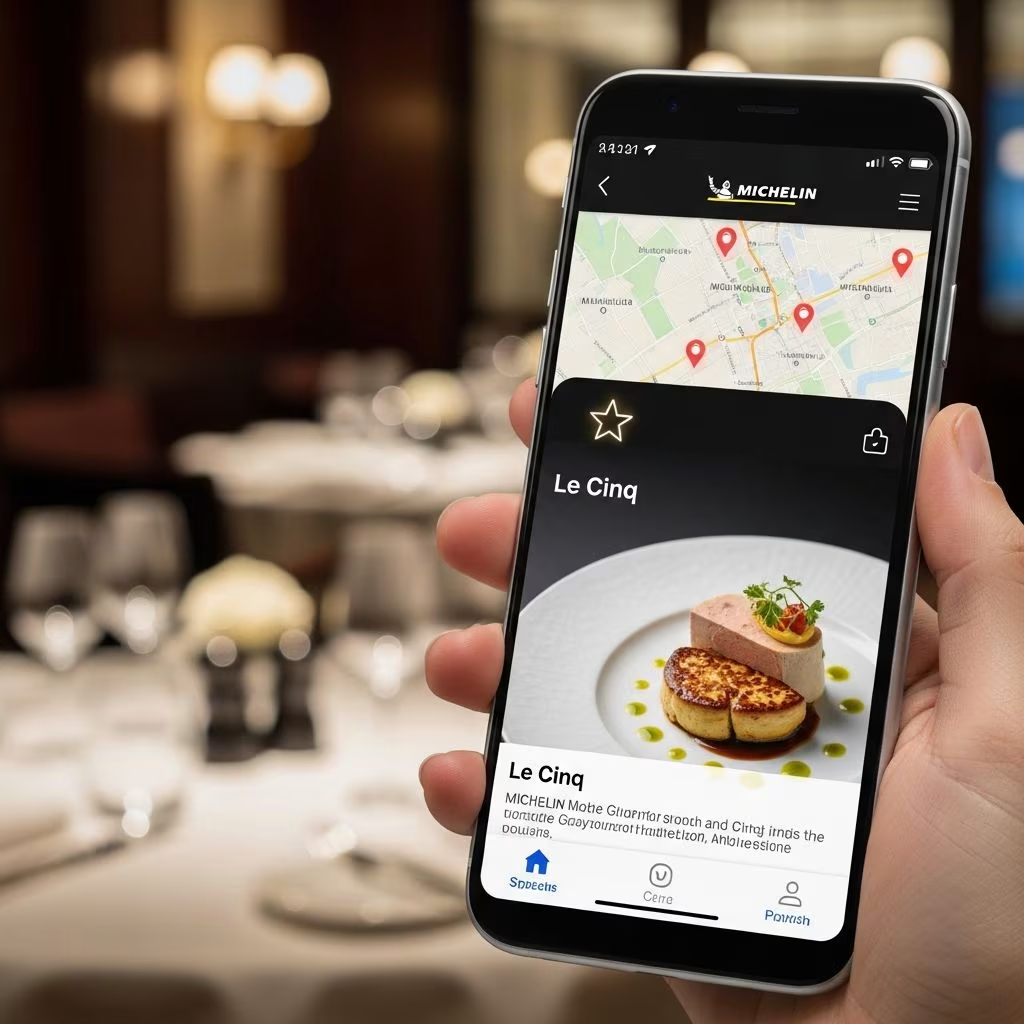
- Thailand: Bangkok’s 2026 influx of elite openings, including Duet by David Toutain and Sartoria by Paulo Airaudo, cements its chef-magnet status. The Michelin Guide awarded 137 Bib Gourmand nods for value-driven excellence.
- Florida, USA: Tampa, Orlando, and Gulf Coast locales shine with seafood-centric innovations, evolving into perennial draws.
- Middle East: Rapid tourism rebound, boosted by the Grand Egyptian Museum, unveils spice-laden heritages as Europe alternatives.
- Japan, Italy, France: Enduring pillars, now joined by immersive classes in Tuscany or Iceland’s foraging treks.
Interactive and Immersive Dining Experiences
Dining transcends consumption, becoming theater with participatory flair. Expect smaller, flavor-packed plates justifying premiums through multisensory spectacles. Modern dinner theaters, scent-infused narratives, and karaoke-paired menus transport guests to alternate worlds.
Travel packages integrate these, pairing meals with cultural performances or DIY stations. This interactivity heightens value, especially amid rising costs, drawing crowds to pop-ups and chef-led events.
Diversifying Palates: Underrepresented Cuisines Emerge
Globalization normalizes “exotic” fares, embedding Persian, Vietnamese, and African influences into everyday landscapes. Northern Africa’s tagines and stews gain traction, while Southeast Asia’s Filipino traditions stride forward.
Tours champion this diversity, venturing into neighborhoods where immigrants preserve recipes. Chefs like Harrison Ono at Momofuku Las Vegas celebrate seamless integrations, urging travelers to embrace these narratives.
| Aspect | Emerging (e.g., Thailand, Florida) | Traditional (e.g., Italy, France) |
|---|---|---|
| Innovation Level | High: New chef openings, fusions | Balanced: Refined classics |
| Accessibility | Affordable Bib Gourmands | Premium Michelin stars |
| Tour Variety | Street markets, workshops | Cooking schools, wine pairings |
| Growth Rate | Fast post-pandemic | Steady, iconic |
Hands-On Culinary Vacations
Immersive trips to Ireland, Tuscany, and Iceland prioritize skill-building amid stunning locales. Participants knead doughs, forage ingredients, and bond over shared tables, forging lasting connections. These escapes blend adventure with expertise, ideal for food enthusiasts seeking more than observation.
Operators expand offerings in 2026, responding to demand for authentic, connective travel. From Irish soda bread sessions to Icelandic geothermal bakes, these programs cultivate proficiency and appreciation.
Planning Your 2026 Food-Focused Itinerary
Curate trips by blending staples with surprises: pair Bangkok’s high-end with street stalls, or Florida’s coasts with urban Orlando bites. Prioritize operators offering insider access, sustainability focus, and flexibility. Apps and associations like the World Food Travel Association guide selections for authentic immersion.
Frequently Asked Questions
What defines food tourism in 2026?
It encompasses tours, classes, and meals prioritizing cultural depth over sightseeing, with 95% of travelers engaged.
Which destinations lead culinary innovation?
Thailand’s Bangkok and Florida’s Gulf Coast top lists, alongside perennials like Japan.
How does fire cooking enhance travel?
It delivers smoky authenticity via live demos, as in Sweden and Argentina.
Are interactive experiences worth the cost?
Yes, smaller portions with immersive elements provide high value and engagement.
What underrepresented cuisines to watch?
African northern dishes and Filipino traditions are surging.
References
- Beyond the Guidebook: Why Food Tours Are Redefining Travel in 2026 — Wise and Shine Zine. 2026-03-28. https://wiseandshinezine.com/2026/03/28/beyond-the-guidebook-why-food-tours-are-redefining-travel-in-2026/
- 7 Big Food Trends of 2026, According to Our MICHELIN Guide Inspectors — Michelin Guide. 2026. https://guide.michelin.com/us/en/article/travel/top-food-trends-2026-michelin-guide-inspectors
- 6 Food Trends Experts Are Excited To See In 2026 — Delish. 2026. https://www.delish.com/food/a69840466/food-trends-2026-expert-predictions/
- Why We’re Expanding Culinary Travel in 2026 — The Chopping Block. 2026. https://www.thechoppingblock.com/blog/why-were-expanding-culinary-travel-in-2026
On This Page
The Rise of Experiential Culinary Journeys Fire and Smoke: The Primacy of Live-Flame Cooking Fermentation and Preservation: Ancient Methods Reimagined Contemporary Twists on Timeless Traditions Interactive and Immersive Dining Experiences Diversifying Palates: Underrepresented Cuisines Emerge Hands-On Culinary Vacations Planning Your 2026 Food-Focused Itinerary Frequently Asked Questions← Previous
Taj Mahal: History, Architecture, and the Love Story Behind India’s Icon
Next →
Where Pilots and Flight Attendants Sleep on Long-Haul Flights
Related Reading
More in Food & Culture
Food & Culture Food & Culture
 Food & Culture
Best Places to Eat in Rome: Neighborhood Dining Guide
 Food & Culture
 Food & Culture