

 Travel Essentials
 Travel Essentials

Discover the best French vineyards, key regions like Bordeaux, Burgundy, and Champagne, plus travel tips, seasonal advice, and must-visit spots for wine lovers.
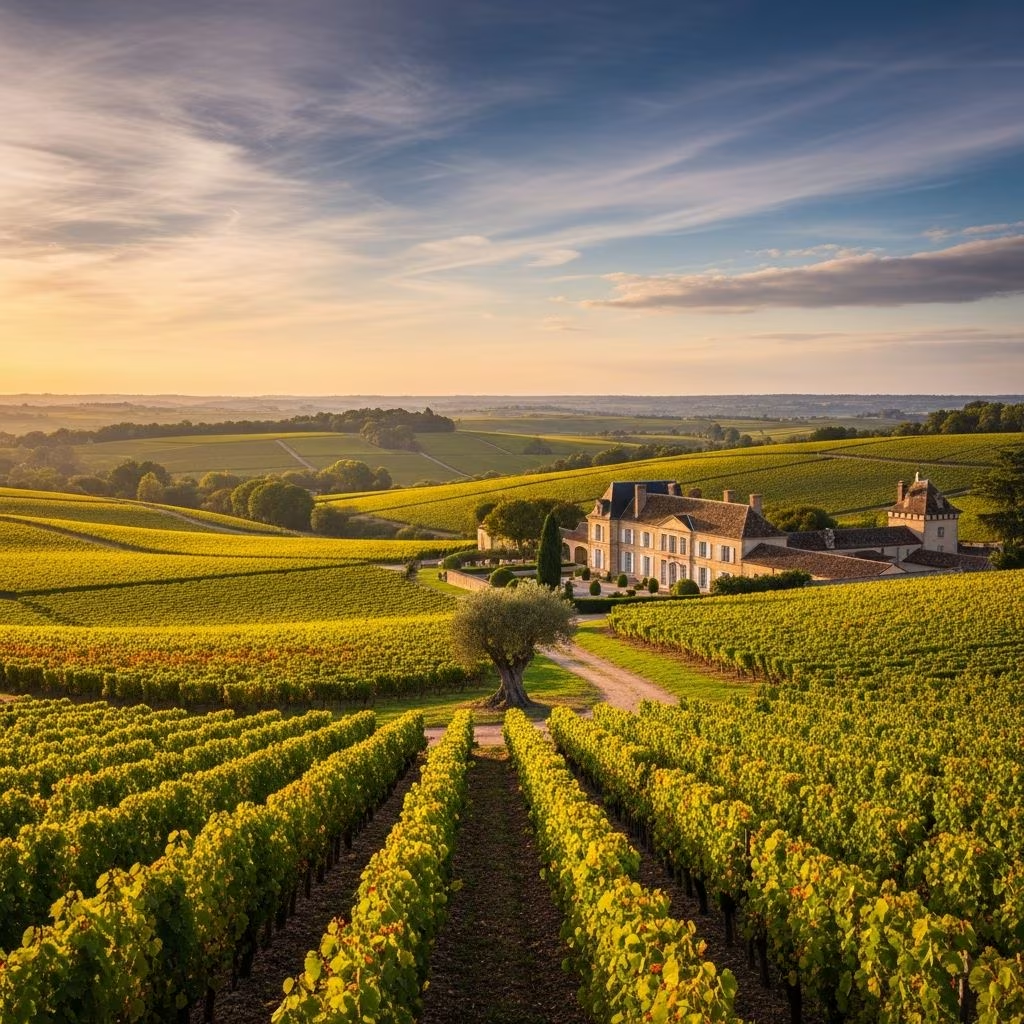 Travel Essentials
France stands as the world’s preeminent wine-producing nation, boasting diverse regions that produce everything from effervescent Champagnes to robust Bordeaux reds. These vineyards, shaped by unique soils, climates, and centuries-old traditions, draw millions of enthusiasts annually for tastings, tours, and scenic drives. This guide delves into the major areas, offering practical advice for planning your visit.
French viticulture thrives across varied terrains, from northern chalky slopes ideal for whites to sun-drenched southern valleys favoring reds. The country’s Appellation d’Origine Contrôlée (AOC) system rigorously defines these zones, ensuring quality and authenticity. Northern regions like Champagne and Alsace excel in whites and sparklers, while southern powerhouses such as Bordeaux and Rhône dominate with full-bodied reds.
Travelers can embark on self-guided routes or join curated tours covering 1,100 miles from Paris through Champagne, Burgundy, Bordeaux, and beyond, blending wine with gourmet meals and luxury stays.
Nestled northeast of Paris, the Champagne region sparkles with prestige. Key sub-zones include Côte des Blancs for Chardonnay-driven blancs de blancs, Montagne de Reims for powerful Pinot Noir Pinots Noirs, and Vallée de la Marne for Pinot Meunier blends. Around Reims and Épernay, vast chalk caves store millions of bottles aging méthode champenoise.
Visit lesser-known spots like Côte de Sézanne for value-driven cuvées amid rolling hills.
Southwest of France, Bordeaux spans the Gironde estuary, with Left Bank (Médoc, Graves) favoring Cabernet Sauvignon and Right Bank (Saint-Émilion, Pomerol) Merlot blends. Iconic châteaux like Margaux and Lafite Rothschild define luxury, but hidden gems in Loupiac offer sweet whites.
The region covers vast gravelly terroirs from Garonne and Dordogne rivers to the Atlantic, producing wines enjoyed globally. A 90-minute drive from the city reveals endless rows of vines.
| Sub-Region | Key Grapes | Notable Châteaux |
|---|---|---|
| Médoc (Left Bank) | Cabernet Sauvignon, Merlot | Château Margaux, Latour |
| Saint-Émilion (Right Bank) | Merlot, Cabernet Franc | Château Ausone, Cheval Blanc |
| Graves | Cabernet, Semillon | Château Haut-Brion |
Enotourism here includes barrel tastings and estate lunches.
In eastern France, Burgundy’s limestone-rich Côte d’Or divides into Côte de Nuits (reds like Gevrey-Chambertin) and Côte de Beaune (whites like Meursault, reds like Pommard). Tiny Grand Cru plots, such as Romanée-Conti, command astronomical prices for their ethereal Pinot Noirs and Chardonnays.
The region’s mosaic of climats—unique vineyard parcels—earned UNESCO status. Explore via the Route des Grands Crus, stopping at family domaines for intimate tastings.
Stretching along the Loire River, this region offers Chenin Blanc from Vouvray, crisp Sancerre Sauvignon Blancs, and light reds like Chinon Cabernet Franc. Fairy-tale châteaux frame vineyard vistas, perfect for cycling tours.
Spring blossoms enhance the scenery, pairing with sparkling Vouvray. It’s ideal for relaxed, multi-day explorations blending history and wine.
On the German border, Alsace’s steep Vosges foothills yield Riesling, Gewürztraminer, and Pinot Gris. Grand Cru sites like Riquewihr produce age-worthy wines. The Route des Vins d’Alsace winds through storybook towns, with harvest in autumn drawing crowds for late-picking festivals.
Focus on organic producers for terroir-driven bottles.
The steep schist terraces of Hermitage and Côte-Rôtie produce intense Syrah reds, while Condrieu shines with Viognier whites. Dramatic river gorges add to the allure; visit in cooler months to avoid summer heat.
Châteauneuf-du-Pape’s pebble-strewn soils yield Grenache-led blends. Provence offers pale rosés alongside robust reds. Languedoc’s vast plantings provide value, with Mediterranean breezes moderating the climate.
Savoie’s alpine vines produce fresh whites from Jacquère amid Lake Geneva views. Jura’s oxidative Vin Jaune and Corsica’s Nielluccio reds offer bold discoveries. These areas suit adventurous travelers seeking uncrowded authenticity.
Best Seasons: Spring/fall for fewer crowds and mild weather; summer for festivals; winter for barrel tastings.
Itineraries:
Tips for Self-Guided Tours: Rent a car or e-bike; book tastings ahead (many require reservations); designate a driver or join guided groups. Stay at vineyard inns for immersion.
| Region | Must-Do Activity | Ideal Pairing |
|---|---|---|
| Champagne | Cave descent and sabrage | Smoked salmon |
| Bordeaux | Château helicopter tour | Lamb confit |
| Burgundy | Grand Cru vertical tasting | Escargot |
| Provence | Rosé picnic in lavender fields | Grilled vegetables |
Spring (April-June) and fall (September-October) offer pleasant weather, fewer tourists, and harvest excitement. Summer suits festivals but is busier.
Yes, especially for prestigious estates. Smaller producers welcome drop-ins, but confirm via websites.
Loire Valley or Alsace: approachable wines, English-friendly tours, and scenic beauty.
Opt for trains between regions, bike tours, and organic/biodynamic wineries supporting local ecosystems.
€10-50 per person; premium experiences €100+. Many waive fees with purchases.
France’s vineyards promise transformative journeys blending nature, history, and flavor. Whether chasing Grand Crus or casual sips, these landscapes captivate endlessly.
