


 Food & Culture
Food & Culture
France’s Vallée de la Gastronomie: A Food and Wine Trail Guide
Journey through 385 miles of culinary destinations from Dijon to Marseille, experiencing authentic French gastronomy through vineyard tours, truffle hunting, and Michelin-starred dining.
 Food & Culture
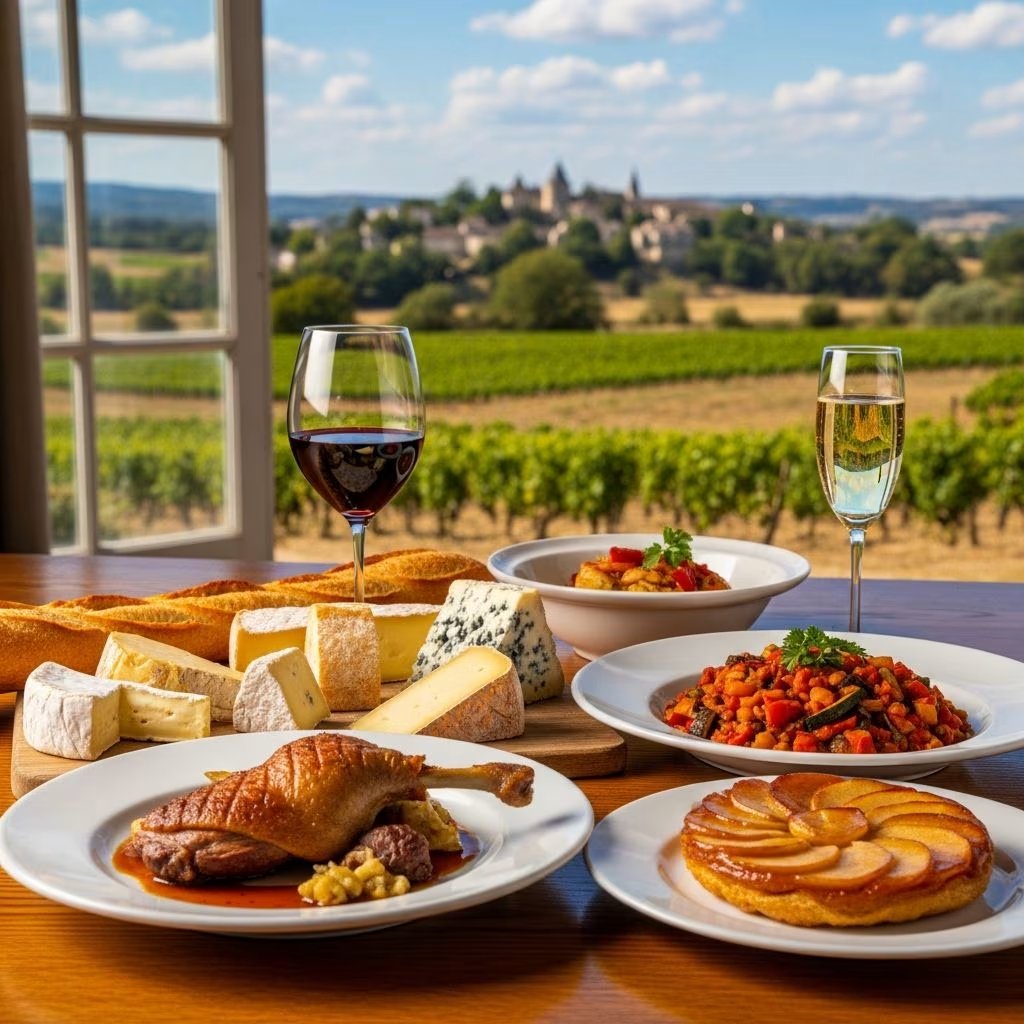
France has long stood as the pinnacle of gastronomic achievement, with its regional cuisines, world-class wines, and artisanal food producers drawing enthusiasts from across the globe. In 2020, the French tourism industry launched an ambitious initiative to consolidate and celebrate this culinary heritage: a comprehensive food and wine trail that connects the nation’s most celebrated gastronomic regions. This curated pathway stretches approximately 385 miles, linking the historic vineyards of Burgundy with the sun-drenched Mediterranean landscapes of Provence, passing through Lyon—widely recognized as France’s gastronomic capital.
Understanding the Concept Behind This Gastronomic Journey
The development of this culinary trail represents a strategic effort to create an integrated destination experience that celebrates not merely the finished products of French cuisine, but the entire ecosystem of producers, artisans, and food traditions that give these products their distinctive character. Rather than treating gastronomy as a collection of isolated experiences, the trail framework positions food, wine, and regional identity as interconnected elements of a broader travel narrative. This approach allows visitors to understand the terroir—the specific environmental and geographical characteristics—that influence everything from wine composition to the flavor profiles of locally produced cheeses and charcuterie.
Since its international rollout in 2022, the trail has grown to encompass more than 459 vetted activities, each chosen for its authenticity and ability to provide meaningful engagement with regional food cultures. The experiences available through this network demonstrate remarkable diversity, accommodating both specialist enthusiasts seeking deep knowledge and casual travelers interested in sampling regional highlights.
Geographic Scope and Regional Divisions
The trail traverses three primary French regions, each offering distinct landscapes, culinary traditions, and production methods. Understanding these geographical divisions helps travelers plan itineraries aligned with their specific interests and available time.
Burgundy: The Foundation of French Wine Culture
The journey begins in Dijon, the capital of Burgundy, a region synonymous with world-class wine production and refined culinary traditions. Burgundy represents one of the world’s premier wine-producing areas, with its distinctive terroir creating conditions ideal for producing exceptional Pinot Noir and Chardonnay varietals. The region contains 32 Grand Cru vineyards distributed across two main areas: the Côtes de Nuits and the Côtes de Beaune, each with its own micro-climatic characteristics that influence wine production.
Beyond viticulture, Burgundy maintains strong traditions in cheese production, poultry farming—particularly the renowned Bresse chickens with their distinctive blue legs and white plumage—and mustard manufacturing. Dijon has held the designation of the mustard capital for centuries, and visitors can engage in hands-on experiences that reveal the techniques and ingredient combinations that distinguish Dijon mustard from other prepared condiments.
The Rhône Valley: Between Alpine and Mediterranean Influences
Moving southward, the trail enters the Auvergne-Rhône-Alpes region, characterized by the Saône and Rhône river valleys. This transitional landscape marks the gradual shift from continental climate patterns toward Mediterranean influences. Lyon, situated at the confluence of these two significant waterways, serves as the regional hub and represents a crucial waypoint for gastronomic travelers.
The Côtes du Rhône wine region produces a remarkable range of varietals and wine styles across various terroirs, from prestigious northern appellations to approachable southern wines. Beyond wine, this region produces distinctive agricultural products, including nougat from Montélimar—a confection combining honey, almonds, and egg whites that has been manufactured locally since the seventeenth century.
Provence: Where Mediterranean Traditions Flourish
The southern terminus approaches Marseille, where Mediterranean influences dominate the landscape and cuisine. Provence represents a transition toward the culinary traditions shared across the Mediterranean basin, incorporating olive oils, aromatic herbs, tomatoes, and seafood as primary ingredients. The region produces distinctive rosé wines that have gained international recognition, and its lavender fields contribute both visual splendor and aromatic complexity to the gastronomic experience. Other regional specialties include calissons—diamond-shaped confections made from candied melon and almond paste from Aix-en-Provence—and the unique rice cultivated in the Camargue wetlands.
The Range of Culinary Experiences Available
The trail’s design emphasizes flexibility and personalization, allowing travelers to construct itineraries reflecting their specific interests, time constraints, and budget parameters. The variety of available experiences spans multiple categories:
Wine-Focused Experiences
- Guided vineyard tours exploring soil composition, grape varietals, and cultivation techniques
- Cellar visits and tastings at established wine estates and boutique producers
- Educational sessions on wine production methods, aging processes, and food pairing principles
- Opportunities to blend and bottle personalized wine selections from regional varietals
- Tours of historic wine estates featuring architecture and landscape design of note
Agricultural and Production Experiences
- Visits to working goat farms where visitors meet animals and learn about dairy production methods
- Truffle hunting expeditions in the Périgord region, including training in identification techniques
- Mustard creation workshops in Dijon teaching traditional preparation methods
- Chocolate tasting and production demonstrations at specialized facilities
- Olive mill tours and oil tasting sessions exploring different extraction and processing techniques
Culinary and Dining Experiences
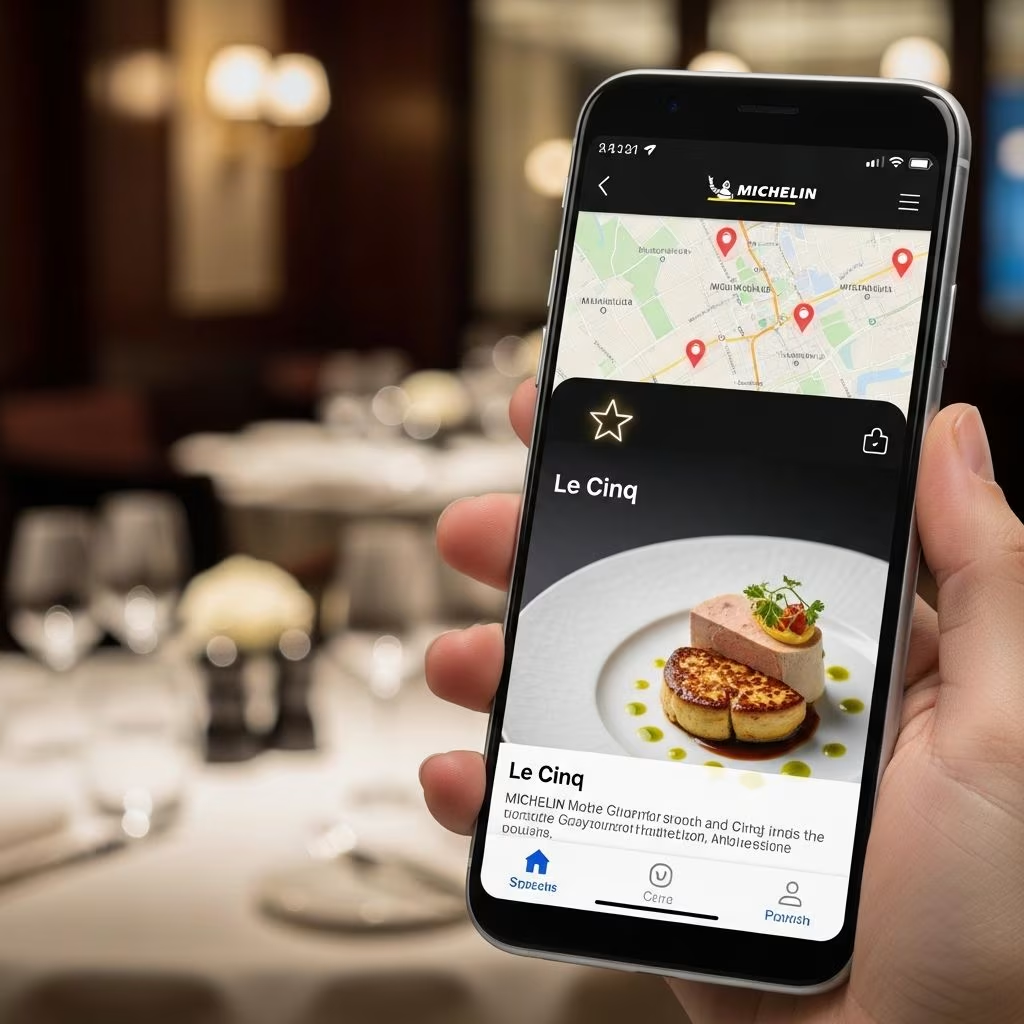
- Michelin-starred restaurant dining experiences at multiple quality levels
- Specialized themed restaurants—such as all-chocolate establishments—offering unique gastronomic perspectives
- Market tours and cooking classes emphasizing seasonal ingredients and traditional preparation methods
- Artisanal cheese tastings and education regarding aging, storage, and flavor development
- Curated food tours through Lyon featuring multiple tasting stops and culinary history
Immersive Landscape Experiences
- Picnics featuring hyperlocal ingredients in distinctive settings such as lavender fields
- Semi-gourmet meals integrating regional specialties with outdoor recreation
- Guided exploration of natural features connected to food production and terroir
Accessibility and Transportation Options
Recognizing that travelers arrive with different mobility preferences and physical capabilities, the trail infrastructure accommodates multiple transportation methods beyond automobile travel. Visitors can navigate portions of the route by bicycle, accessing quieter roads through wine country and countryside areas. Train connections link major population centers, enabling travelers to reduce driving while accessing regional experiences. Walking routes through vineyards, agricultural areas, and town centers provide opportunities for slower-paced exploration, allowing visitors to absorb landscapes and engage with local environments more intimately than rapid transit permits.
The multi-modal approach democratizes participation in the trail, accommodating elderly travelers, families with young children, individuals with mobility limitations, and those preferring sustainable transportation methods.
Planning and Customization Through Digital Platforms
The official Vallée de la Gastronomie website provides comprehensive tools for itinerary construction, allowing travelers to search and filter experiences according to multiple criteria: geographic location, experience type, activity duration, difficulty level, and specific interests. This digital infrastructure enables travelers to design highly personalized journeys that align with their expertise level, scheduling constraints, and culinary preferences.
The booking process through the website facilitates direct communication with participating hosts, enabling travelers to ask questions about accommodations, dietary requirements, group sizes, and special requests before committing to experiences. This direct relationship reduces friction points and permits customization that standard booking platforms often cannot accommodate.
Recent Developments and Evolving Offerings
Since the trail’s establishment, new experiences continue to be integrated into the network, reflecting evolving traveler interests and emerging opportunities. Recent additions showcase this expansion: farm visits introducing visitors to dairy production methods and animal husbandry provide perspectives on the source of cheese and dairy products encountered in restaurants and markets. Expanded cheese pairing experiences—moving beyond simple tastings to comprehensive education about flavor combinations and preparation techniques—appeal to travelers seeking deeper engagement with this distinctive French specialty.
The inclusion of Château de la Chaize among participating venues exemplifies the caliber of properties now integrated into the trail. This Beaujolais wine estate, designed by the same architects and landscape designers who created Château de Versailles, combines world-class wine production with architectural and landscape significance, offering visitors a multisensory experience integrating wine, history, and aesthetic appreciation.
Accommodations and Overnight Arrangements
Travelers undertaking multi-day journeys along the trail require accommodations, and the network includes select lodging properties that operate as experiences rather than merely functional stopping points. These establishments reflect local character, culinary specialization, and regional identity, positioning sleep and rest as integral components of the gastronomic narrative rather than necessary interruptions.
The selection process for accommodations emphasizes properties that enhance rather than dilute the trail experience, ensuring that overnight stays reinforce the journey’s gastronomic and cultural themes.
Comparative Experience Table
| Experience Category | Primary Location | Typical Duration | Ideal For |
|---|---|---|---|
| Wine Estate Tours | Burgundy, Côtes du Rhône | 2-4 hours | Wine connoisseurs and enthusiasts |
| Artisanal Production Workshops | Dijon, Périgord, Montélimar | 2-3 hours | Interactive learners and craft enthusiasts |
| Fine Dining Experiences | Lyon, Burgundy towns | 2-4 hours | Culinary sophisticates and gastronomic travelers |
| Outdoor Culinary Picnics | Provence, regional landscapes | 1-2 hours | Casual travelers and families |
| Agricultural Farm Visits | Throughout regions | 1-3 hours | Families and sustainability-minded travelers |
Optimal Travel Seasons and Timing Considerations
While the trail operates year-round, seasonal variations influence both experience quality and availability. Summer and fall months offer particularly compelling conditions for trail exploration. Late summer through early autumn aligns with harvest seasons across wine regions, allowing visitors to witness the culmination of annual vineyard labor and participate in production activities. Provence’s lavender fields reach peak bloom in mid-summer, creating visually stunning backdrops for outdoor dining and photography. Autumn’s moderate temperatures facilitate comfortable walking and cycling, while the landscape transitions through dramatic color changes reflecting the agricultural calendar.
Frequently Asked Questions About the Trail
What is the minimum time required to experience the trail meaningfully?
While travelers can incorporate individual experiences into existing trips—perhaps adding a Michelin-starred dinner or single winery visit—comprehensive trail engagement typically requires 5-10 days. This duration permits travel between regions while allowing adequate time for substantive experiences at multiple locations without excessive fatigue or rushed scheduling.
Is specialized culinary or wine knowledge required for participation?
No. The trail accommodates both expert gourmands and casual food enthusiasts. Experiences range from accessible introductory activities to highly specialized programs for advanced participants. Educational components built into most experiences accommodate varying knowledge levels.
Can travelers with dietary restrictions participate?
Yes. Direct communication with hosts through the booking platform enables discussion of dietary requirements, allergies, and preferences. Most established restaurants and tour operators accommodate standard restrictions including vegetarian, vegan, gluten-free, and allergen-specific requirements when notified in advance.
What is the cost range for trail experiences?
Pricing varies dramatically depending on experience type and provider. Farm visits and market tours may cost €20-50 per person, while Michelin-starred dining and premium winery experiences can range from €80-300+ per person.
Conclusion: Integration Into Broader French Travel
The Vallée de la Gastronomie represents more than a collection of dining and wine-tasting opportunities; it embodies a comprehensive approach to travel that celebrates regional identity, artisanal traditions, and environmental consciousness. By connecting travelers directly with producers and emphasizing the relationships between landscape, culture, and cuisine, the trail transforms eating and drinking from mere consumption into meaningful cultural engagement. Whether visitors dedicate their entire vacation to this culinary pathway or incorporate select experiences into broader French travel plans, the trail offers accessible entry points to authentic gastronomic understanding and memorable engagement with the people and places that define French food culture.
References
- “A new culinary trail puts you at the center of French gastronomy” — Lonely Planet. 2022. https://www.lonelyplanet.com/articles/france-vallee-de-la-gastronomie-food-wine-trail
- “Vallée de la Gastronomie: the ultimate road trip for foodies” — Taste of France Magazine. https://tasteoffrancemag.com/travel/regional-tours/vallee-de-la-gastronomie-the-ultimate-road-trip-for-foodies/
- “I Spent 6 Days Eating Along France’s 385-Mile Food Trail” — AFAR Magazine. https://www.afar.com/magazine/in-france-traveling-the-vallee-de-la-gastronomie-trail
- “Le Voyage Gourmand à travers la Vallée de la Gastronomie” — Official Vallée de la Gastronomie Website. https://www.valleedelagastronomie.com
- “La Vallée de la Gastronomie : la route du goût” — France 3 Bourgogne Franche-Comté. https://www.youtube.com/watch?v=jc6qR_Bev3E
- “LE VOYAGE GOURMAND” — Auvergne-Rhône-Alpes Tourisme. 2023. https://pro.auvergnerhonealpes-tourisme.com/
- “La Vallée de la Gastronomie®” — Beaune et le Pays Beaunois Tourisme. https://www.beaune-tourisme.fr/explorer/gastronomie/la-vallee-de-la-gastronomie/
On This Page
Understanding the Concept Behind This Gastronomic Journey Geographic Scope and Regional Divisions The Range of Culinary Experiences Available Accessibility and Transportation Options Planning and Customization Through Digital Platforms Recent Developments and Evolving Offerings Accommodations and Overnight Arrangements Comparative Experience Table Optimal Travel Seasons and Timing Considerations Frequently Asked Questions About the Trail Conclusion: Integration Into Broader French Travel← Previous
Bogota Transportation Guide: TransMilenio, Taxis, Airport & Cycling
Next →
Visiting Maui in 2026: Safety, Recovery, and Responsible Travel Guide
Related Reading
More in Food & Culture
Food & Culture Food & Culture
 Food & Culture
Best Places to Eat in Rome: Neighborhood Dining Guide
 Food & Culture
 Food & Culture