

 Travel Essentials
 Travel Essentials

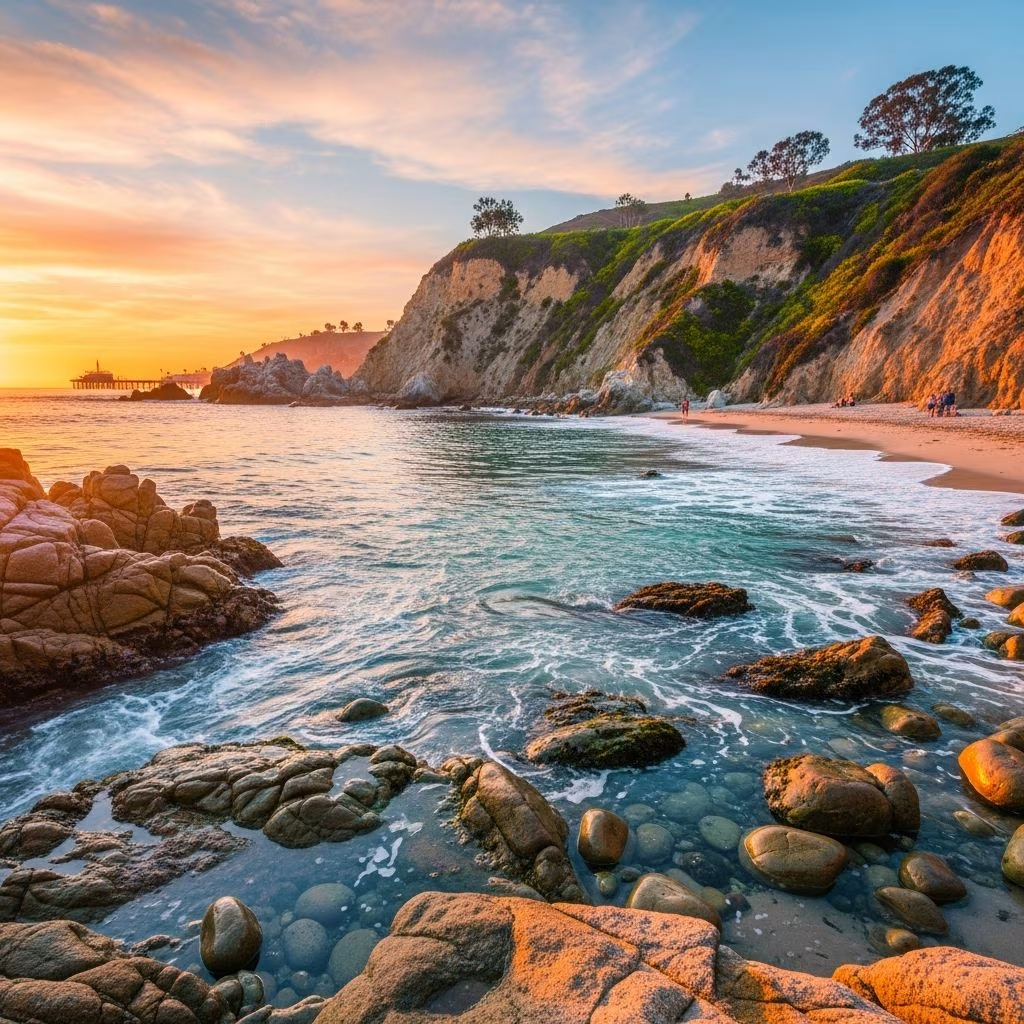
Explore Malibu's best free attractions, from pristine beaches and tide pools to cultural venues and scenic viewpoints that showcase coastal California.
 Travel Essentials
Malibu has earned its reputation as one of California’s most desirable coastal destinations, but many travelers assume that enjoying this picturesque region requires substantial spending. In reality, Malibu offers an impressive array of complimentary experiences that showcase the natural beauty, cultural richness, and recreational opportunities that make this stretch of the Pacific Coast exceptional. Whether you’re a seasoned traveler or planning your first visit to Southern California, understanding how to maximize free experiences allows you to create memorable moments while preserving your travel budget.
The foundation of any Malibu visit centers on the region’s remarkable coastline. Unlike many beach destinations where access itself requires payment, California law ensures that all beaches remain publicly accessible, meaning you can enjoy Malibu’s sandy shores without entrance fees. This accessibility opens remarkable possibilities for water recreation, relaxation, and natural observation.
Zuma Beach serves as an excellent choice for travelers seeking a full day of beach activities. This expansive stretch of sand provides ample space for families, offering facilities and a relaxed atmosphere that welcomes everyone from novice swimmers to experienced surfers. The beach’s width and cleanliness make it particularly appealing for those who want to spread out and settle in for extended periods.
El Matador State Beach caters to visitors prioritizing tranquility and scenic beauty over crowds and convenience. This more secluded beach features distinctive rock formations and a quieter ambiance, making it ideal for reflection, photography, or intimate gatherings. The dramatic coastal landscape creates an almost Mediterranean atmosphere that contrasts with Malibu’s more developed areas.
Dan Blocker Beach offers a unique proposition for those wanting to experience ocean vistas without engaging in typical beach activities. A gated viewing deck equipped with picnic tables allows visitors to admire the Pacific from the highway, providing an alternative for those with mobility considerations or anyone simply wanting a quick visual break during a drive along the coast.
Parking considerations warrant attention when planning beach visits. While beach access remains free, designated parking lots typically charge fees. However, parallel parking along both sides of the Pacific Coast Highway often yields free spaces, though visitors must exercise extreme caution on this notoriously busy thoroughfare when accessing beach areas from roadside parking.
Southern California’s tide pools represent some of the most accessible natural laboratories available to casual visitors. Malibu’s tide pools offer opportunities to observe marine ecosystems in their natural state, making this activity particularly valuable for families with children and anyone interested in coastal biology.
Leo Carillo State Beach stands out as the premier destination for tide pool exploration in the Malibu area. During low tide periods, visitors can discover a diverse array of sea creatures including crabs, mussels, sea urchins, and sea stars. The beach also features small caves and dramatic rock formations that appeal to younger explorers, transforming a simple beach visit into an educational adventure. Timing proves essential—planning visits around low tide cycles maximizes the number and visibility of tide pools.
Tide pooling requires minimal equipment and no fees, making it an exceptionally economical activity. Visitors benefit from bringing sturdy footwear with good traction, sun protection, and basic field guides for identifying marine species. Responsible exploration—avoiding damage to organisms and ecosystems—ensures these natural areas remain healthy for future visitors.
Beyond natural attractions, Malibu provides access to significant cultural institutions that typically charge admission elsewhere. These venues allow visitors to engage with art history, architecture, and creative expression without financial barriers.
The Getty Villa represents one of Southern California’s most prestigious cultural destinations. This remarkable facility houses an extensive collection of ancient Greek, Roman, and Etruscan artifacts displayed within a structure inspired by ancient Italian villas. The architecture itself mirrors Mediterranean design principles, creating an immersive experience that transports visitors to antiquity. The surrounding grounds, including Italian-style herb and shrub gardens with Pacific Ocean views, enhance the sense of stepping into historical context. Complimentary admission requires reserving timed tickets in advance, and while parking carries a fee, the cultural experience justifies the brief planning effort.
Frederick R Weisman Museum of Art, located on the Pepperdine University campus, curates exhibitions emphasizing California and United States artistic traditions. The museum features paintings, sculptures, and contemporary works in an intimate setting that encourages careful observation and reflection. Free admission applies to all visitors, with advance timed-entry reservations required. Campus parking remains complimentary, provided visitors follow specific directional guidelines available on the museum’s website.
Malibu’s relationship with the ocean extends beyond beach recreation into opportunities for fishing, wildlife observation, and maritime culture.
Malibu Pier emerges as a focal point for waterfront activity offering multiple free or low-cost experiences. The pier permits fishing without requiring state permits, providing opportunities for anglers of all skill levels. Visitors can observe surfers navigating Surfrider Beach’s famous waves, pack picnic meals, or simply appreciate sunset and sunrise viewing opportunities. The adjacent Adamson House, a historic residence overlooking the Malibu Lagoon, offers guided tours for modest fees (US$7 for adults, US$2 for children, free for those under five), but the property perimeter remains accessible for free exploration, allowing visitors to appreciate the architecture, gardens, and historical context without formal admission.
Dusk represents the optimal pier visiting time, when strategically placed lighting transforms the atmosphere into a romantic setting ideal for photographs and contemplation. Early risers who visit during sunrise encounter minimal crowds while experiencing Malibu’s morning tranquility in a more intimate context.
Whale watching during winter months provides another exceptional free marine observation opportunity. Gray whales migrate along the California coast during specific seasonal periods, and Malibu’s coastal vantage points offer excellent viewing locations. No equipment or fees are required—patience and appropriate timing constitute the only necessities.
The Santa Monica Mountains provide extensive hiking trail networks offering cardiovascular exercise, scenic vistas, and connection with Southern California’s natural landscape. These mountains form the backdrop to Malibu’s coastal community, and numerous trails remain accessible without fees or minimal parking charges.
Malibu Creek State Park deserves particular attention as the region’s most comprehensive hiking destination. Often described as “The Yosemite of Southern California,” this park features the notable 4.75-mile Crags Road trail, which leads to the former filming location of the television series M*A*S*H. Historic props including military vehicles and medic tents remain visible, providing pop culture context alongside natural beauty.
The park accommodates multiple recreational pursuits beyond hiking: mountain biking trails serve experienced cyclists, rock climbing areas challenge adventurous visitors, horseback riding options allow equestrian exploration, and a small lake supports kayaking activities. Parking requires nominal fees—significantly less expensive than beach lot parking—ranging from US$3 for one-hour visits to US$12 for all-day access.
Point Dume State Beach and Natural Preserve functions as both a beach destination and scenic overlook location. The elevated vantage points along this preserve provide panoramic coastal views, making it an ideal location for sunset observation. Photographers particularly favor this location, so arriving with adequate time to secure optimal positioning enhances the experience.
Paradise Cove Beach offers a more secluded beach experience compared to high-traffic alternatives. The beach’s relative privacy, combined with a distinctive pier structure, creates an intimate atmosphere while maintaining the quintessential Malibu aesthetic. Visitors who prefer quieter beach experiences often choose this location over more popular alternatives.
Malibu’s geography makes the region itself a destination for drivers seeking memorable routes. The Pacific Coast Highway provides arguably California’s most iconic coastal drive, but alternative routes through the Santa Monica Mountains offer equally compelling experiences with fewer crowds.
Kanan Road exemplifies these alternative scenic drives, winding through mountainous terrain with diverse vegetation and panoramic vistas. This route connects the coastal areas with inland communities, offering a completely different perspective on Southern California geography compared to beachfront driving.
Scenic driving requires only vehicle fuel costs and allows unlimited flexibility in timing, route modification, and duration. Many travelers combine scenic drives with casual meals at small cafes discovered along the way, creating spontaneous experiences that frequently become trip highlights.
While technically outside Malibu proper, adjacent areas provide additional free or extremely affordable experiences worth considering during extended coastal visits.
Point Mugu Missile Park, located minutes north of Malibu along Highway 1, displays historic military aircraft and missiles tested at Naval Air Station Point Mugu. This free facility provides unexpected educational content and interesting photography opportunities, making it an excellent brief stop during northbound drives.
Ventura Pier and Promenade, approximately 20 minutes north, represents one of California’s oldest piers. Free pier access allows strolling and observation of kite surfers and marine activities. Optional surrey rides along the promenade (US$25) provide additional recreation for those seeking active engagement.
Yes. California law guarantees public beach access. While designated parking lots charge fees, free parking often exists along the Pacific Coast Highway. Beach access itself carries no fees.
Yes. Both the Getty Villa and Weisman Museum require advance timed-entry reservations despite offering free admission. This system manages visitor flow and ensures optimal experience quality.
Low tide periods reveal the most extensive tide pool formations and the greatest diversity of visible marine creatures. Consulting tide tables before visits optimizes exploration opportunities.
Yes. Fishing at Malibu Pier does not require state permits, making it an accessible activity for visitors of all experience levels.
Point Dume and Leo Carillo stand out as the premier sunset observation points in Malibu. Arriving early ensures optimal positioning, particularly for photographers.
Malibu’s reputation for exclusivity and high costs often obscures the remarkable range of free and low-cost experiences available to budget-conscious travelers. The region’s natural attractions—beaches, tide pools, mountains, and ocean vistas—remain fundamentally accessible regardless of spending capacity. Cultural institutions and scenic viewpoints provide intellectual enrichment and aesthetic appreciation without financial barriers. Strategic planning, flexible timing, and prioritization of natural and cultural experiences over commercial entertainment transform Malibu from an inaccessible luxury destination into a genuinely democratic travel experience.
Whether spending a single day or an extended visit, travelers can construct deeply satisfying Malibu experiences centered on complimentary activities. The combination of coastal recreation, cultural engagement, and mountain exploration creates variety sufficient for visitors of all interests and demographics. By understanding which attractions offer free access and planning visits strategically around parking availability and natural timing cycles, any traveler can experience Malibu’s distinctive appeal without substantial financial investment.
