

 Travel Essentials
 Travel Essentials

Learn how to experience Miami's best cultural, natural, and recreational attractions for free, from beaches to museums and neighborhood art.
 Travel Essentials
Miami has earned its reputation as a vibrant, world-class destination, but many travelers assume a visit requires substantial spending. The reality is that South Florida’s largest city offers abundant opportunities for memorable experiences without opening your wallet. Whether you’re interested in contemporary art, natural landscapes, cultural immersion, or simply enjoying the tropical climate, Miami delivers diverse free attractions that rival paid experiences in other destinations.
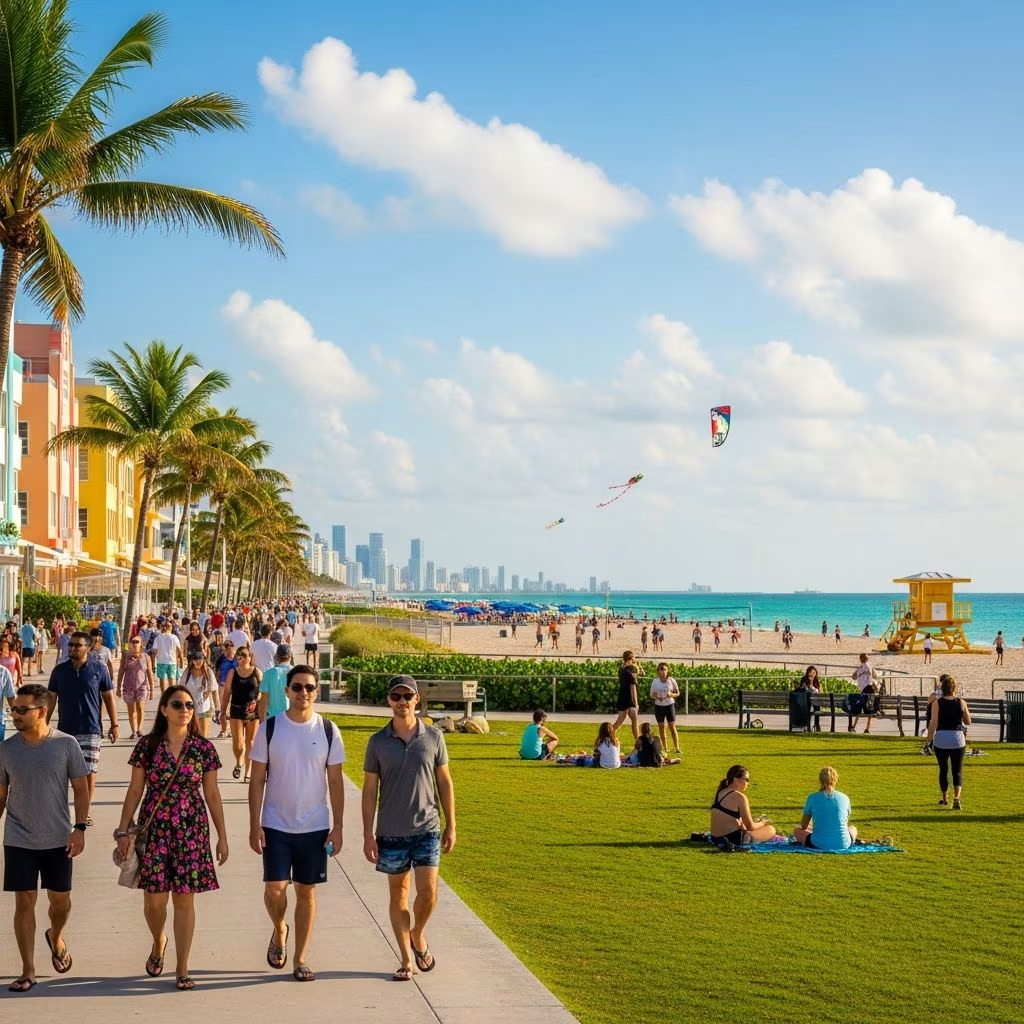
The most accessible and arguably most rewarding free activity in Miami is spending time at its beaches. Miles of sandy shoreline stretch along both Miami Beach and the mainland, offering visitors genuine tropical experiences at no cost. South Beach represents the most famous option, known for its energetic atmosphere and opportunity for people-watching, but travelers seeking a more authentic local experience should venture north to areas like North Shore Open Space Park, located along Collins Avenue near 85th Street.
Beyond traditional beach days, Miami’s waterfront provides additional exploration opportunities. The Bayside Marketplace offers waterfront ambiance, live entertainment, and the chance to observe luxury boats and yachts without spending money on admission. For those interested in river environments, the Brickell riverwalk provides scenic strolling opportunities and connects to the free Metromover transit system, which loops through downtown neighborhoods and Bayfront Park. These areas deliver panoramic views of Miami’s skyline, especially during sunrise and sunset hours when golden light enhances the urban landscape.
Miami’s visual art scene extends far beyond museum walls. The Wynwood neighborhood has transformed into an open-air gallery where constantly evolving street murals cover building facades, creating an ever-changing outdoor exhibition. Walking through these blocks provides genuine artistic encounters while offering natural settings for photography and discovery. The dynamic nature of Wynwood’s art scene means repeat visits always reveal new compositions and perspectives.
Little Havana represents another essential neighborhood for cultural immersion. This traditionally Cuban community welcomes visitors to explore its streets, experience authentic architecture, visit Domino Park where locals gather for games and conversation, and encounter live music performances at various venues—all without admission charges. The neighborhood’s character reflects generations of Miami’s multicultural development and provides genuine cultural exchange opportunities.
Miami hosts several respected cultural institutions that strategically offer free admission periods, making world-class art accessible to budget-conscious visitors. The Perez Art Museum Miami, situated along the waterfront, specializes in contemporary and modern art from the 20th and 21st centuries with striking architectural design. While regular admission costs $16, the museum eliminates this barrier on the second Saturday and first Thursday of each month. Additionally, the institution provides complimentary guided tours conducted in both English and Spanish.
The Institute of Contemporary Art represents another option for art appreciation at no cost. The Miami Beach Botanical Garden offers completely free admission (closed Mondays) and features self-guided tour systems enabling visitors to learn about plant species and local natural history. The Japanese Garden section within this botanical space has earned particular praise from visitors.
Miami’s architectural heritage provides educational and aesthetic experiences accessible without fees. The Art Deco Historic District in Miami Beach showcases distinctive architectural style from the 1920s-1940s period. Self-guided walking tours allow visitors to examine facades, learn architectural history, and appreciate design elements that define this neighborhood.
The Biltmore Hotel and Vizcaya Museum offer different approaches to historic exploration. While Vizcaya’s main mansion requires admission, the surrounding gardens are accessible to explore freely. These sites provide opportunities to appreciate Miami’s development as a luxury destination and understand the city’s transformation from tropical outpost to metropolitan center.
Beyond beaches, Miami maintains parks offering recreation and natural encounters. Bayfront Park in downtown Miami provides green space, waterfront access, and skyline views. South Pointe Park delivers additional recreational opportunities for walking, biking, and nature observation.
For those interested in Florida’s unique ecosystems, the Everglades present an exceptional opportunity to witness subtropical wetland environments, though some activities require fees while observation and basic exploration can occur at minimal or no cost. These natural spaces contrast dramatically with urban environments and demonstrate the biodiversity underlying South Florida’s geography.
Navigating Miami on a budget becomes manageable through strategic transportation choices. Miami Beach operates a free trolley system enabling visitors to access famous boardwalk areas, public parks, and shoreline without driving. In downtown and surrounding neighborhoods, the free Metromover rapid transit system circles through Brickell, Downtown, and the Omni area with frequent arrivals. These transit options eliminate parking expenses and rental car needs for exploring many neighborhoods.
Bike rentals present another affordable transportation option in Miami Beach and along waterfront promenades, encouraging exploration while maintaining budget considerations.
Miami-Dade County maintains calendars of free and low-cost events throughout the year, including free movies, concerts, and festivals. Art walks occur regularly in various neighborhoods, offering guided cultural exploration. These organized events provide structured experiences and opportunities to engage with local communities.
While not strictly free, Miami offers substantial opportunities to eat affordably. Cuban bakeries throughout the city provide inexpensive breakfast and snack options. Food trucks offering authentic international cuisine appear throughout neighborhoods, delivering quality meals at fraction of restaurant prices. Happy hour specials and lunch deals at established restaurants stretch dining budgets further. Planning meals around these opportunities enables food experiences without exhausting vacation budgets.
Successful budget exploration requires strategic planning. Visiting museums on designated free days requires checking schedules in advance. Exploring neighborhoods on foot versus driving eliminates parking fees. Staying in or near transit-connected areas like Brickell reduces transportation expenses. Researching free event calendars before travel ensures you don’t miss community celebrations, concerts, or festivals.
Miami’s geography encourages neighborhood-by-neighborhood exploration, with each area offering distinct character and experiences. Wynwood’s artistic energy contrasts with Little Havana’s cultural richness, which differs from downtown’s modern development. This variety means you can craft personalized itineraries matching your interests without repeating experiences.
The most rewarding Miami experiences often involve minimal spending. Walking through Wynwood at your own pace allows you to discover murals that speak to you personally rather than following predetermined routes. Spending time at less-crowded beaches like North Shore Open Space Park provides authentic relaxation without overwhelming crowds. Engaging with locals at community spaces like Domino Park in Little Havana delivers cultural understanding unavailable through commercial tourism.
Miami proves that world-class destinations remain accessible to travelers prioritizing experiences over expenditures. The city’s year-round sunshine, diverse neighborhoods, cultural vibrancy, and natural attractions combine to create memorable visits regardless of budget constraints. By leveraging free attractions, utilizing public transit, exploring neighborhoods intentionally, and timing museum visits strategically, visitors experience the essence of Miami while maintaining financial responsibility.
Yes, Miami’s beaches are completely free to access and enjoy. However, parking in beachfront lots typically involves fees. Consider using public transportation, arriving early for free street parking, or staying at nearby accommodations to eliminate parking expenses.
The Perez Art Museum eliminates admission charges on the second Saturday and first Thursday of each month. The museum also offers complimentary guided tours in English and Spanish on these days.
Popular neighborhoods like Wynwood, Little Havana, and Bayside attract significant foot traffic and are generally safe during daylight hours. Exercise standard urban awareness, stay on main streets, and avoid deserted areas after dark.
Miami Beach operates a free trolley system, while downtown areas feature the free Metromover rapid transit system. Bike rentals offer another affordable option. These systems connect major attractions and neighborhoods.
Miami’s tropical climate makes it pleasant year-round, though hurricane season (June-November) brings weather considerations. Visiting during designated free museum days (second Saturdays and first Thursdays) ensures access to cultural institutions. Checking event calendars before travel helps you time your visit around free concerts, art walks, and community celebrations.
