


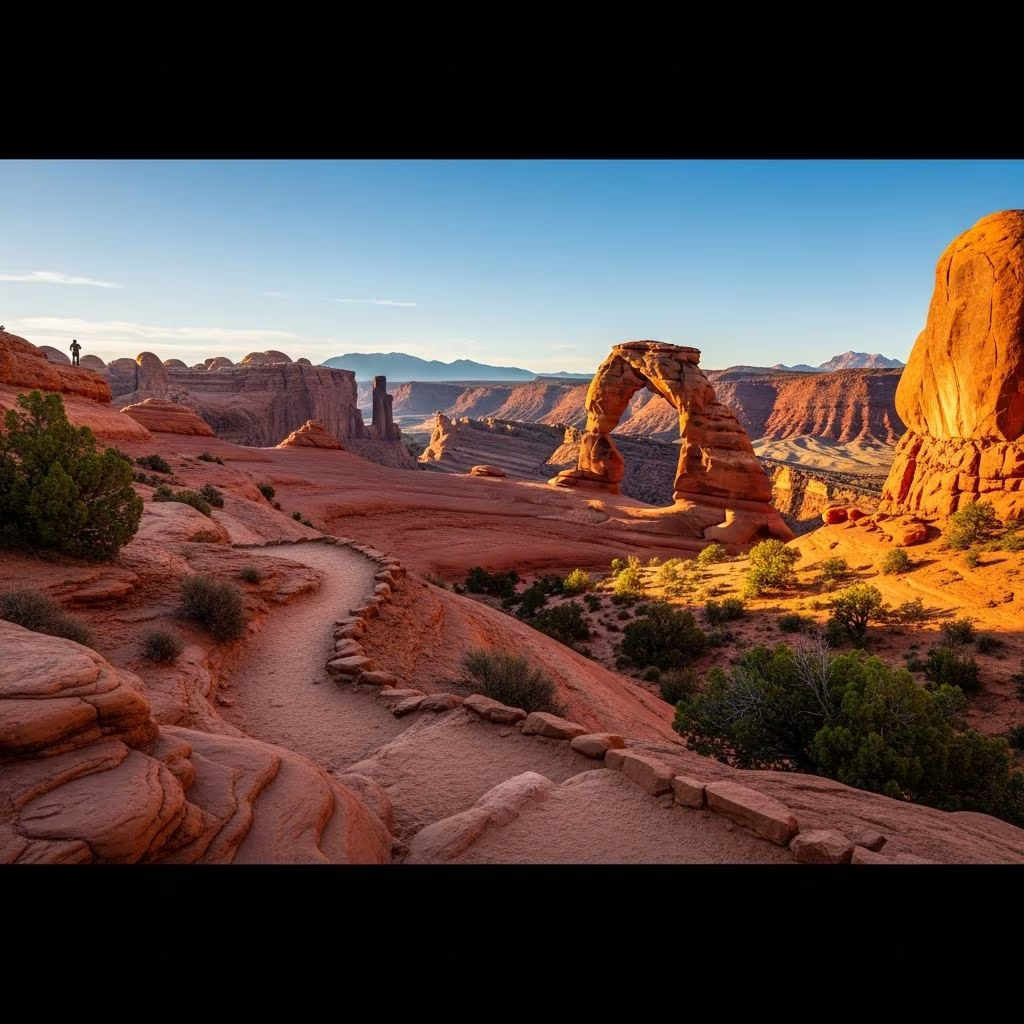
Moab, Utah has emerged as one of America’s premier outdoor destinations, drawing adventure seekers from around the globe. Yet many travelers assume that experiencing this iconic desert landscape requires substantial spending on park entrance fees and guided tours. The reality is far different. This remote corner of southeastern Utah offers abundant opportunities for travelers to engage with its stunning natural features, rich cultural heritage, and outdoor experiences without opening their wallets. Whether you’re planning an extended road trip, traveling with a tight budget, or simply seeking to maximize your time in this remarkable region, Moab delivers exceptional value for zero investment.
Navigating Moab’s Scenic Byways and Natural Landmarks
Among the most accessible ways to experience Moab’s geological wonders involves exploring its network of scenic driving routes. These corridors wind through desert landscapes, past towering red rock formations, and along dramatic river canyons. Unlike the major national parks that charge vehicle entrance fees, these public roads remain completely free and deliver equally impressive vistas.
The Potash Road ranks among the most rewarding driving experiences in the region. This route traces the Colorado River’s path and features numerous pullouts where visitors can view ancient petroglyphs carved into cliff faces by Indigenous peoples centuries ago. The same road provides access to dinosaur track impressions preserved in stone, offering geological context to Utah’s Jurassic heritage. Amateur paleontology enthusiasts and casual observers alike find the combination of art, history, and natural scenery compelling.
The Upper Colorado River Scenic Byway presents an entirely different aesthetic. This drive hugs the riverbank, allowing travelers to witness the dramatic interplay between water and stone as the Colorado River cuts through rust-colored cliffs. The reflection of canyon walls in the water creates photographic opportunities at nearly every turn.
The La Sal Mountain Loop offers altitude variation and ecosystem diversity that few free driving experiences can match. Beginning in the high desert scrubland surrounding Moab, this loop ascends into forested mountain terrain before descending into Castle Valley, a remote landscape of tower-like rock formations. The elevation gain brings temperature relief on hot days and provides panoramic vistas of surrounding plateaus.
Exploring the Desert’s Most Accessible Trails
Moab’s hiking opportunities extend far beyond the paid park systems. Bureau of Land Management (BLM) properties and public lands surrounding the region contain world-class trails that rival their paid counterparts in scenery and quality of experience.
Corona Arch stands as perhaps the most iconic free hike in the Moab area. This three-mile round-trip route features entertaining ladder sections and showcases two massive natural arches. The Corona Arch itself frames views of Castle Valley and the La Sal Mountains. The playful elements of the hike—including scrambles and ladder sections—make it accessible to experienced hikers while remaining challenging enough to avoid feeling mundane.
Grandstaff Canyon presents a completely different character. Fed by a year-round perennial stream, this shaded canyon provides respite from desert heat. The four-mile round-trip route culminates at Morning Glory Natural Bridge, a 243-foot span of natural stone that commands respect through its sheer scale. The combination of flowing water, vegetation, and geological features creates an oasis-like experience unexpected in the surrounding high desert.
Additional BLM trails include Hidden Valley Trail, which features stunning vistas and Indigenous rock art panels, and the Mill Canyon Dinosaur Trail, which combines paleontological interest with scenic desert views. Pinto and Bowtie Arches offer solitude compared to their famous counterparts within park boundaries.
Engaging with Indigenous Heritage and Geological History
Moab’s human and natural history intertwines throughout the landscape. Accessing these historical narratives requires no financial expenditure, only awareness and interest.
Petroglyphs and Rock Art scattered across the region represent millennia of human presence. The rock panels along Potash Road, visible from the roadway, showcase artistic and spiritual expressions of the ancestral Puebloan peoples and other Indigenous groups. These images—geometric patterns, human figures, bighorn sheep, and abstract designs—serve as windows into past cultures.
Dinosaur Traces pepper the landscape in the form of fossilized footprints pressed into ancient mudstone. These impressions, left by creatures from the Jurassic period over 150 million years ago, appear along several accessible routes including Potash Road and dedicated dinosaur trails. The ability to observe these traces directly—to place your hand where a prehistoric animal walked—creates connection across vast temporal distances.
The Moab Museum of Film and Western Heritage operates on a free admission model. This institution documents the region’s unique place in American cinema history, with over 200 films shot in and around Moab since 1925. The museum preserves costumes, props, photographs, and memorabilia from classic Westerns and contemporary productions. Self-guided movie location tours allow visitors to see actual filming locations throughout the landscape.
Water-Based Recreation and Cooling Stations
Moab’s desert environment demands occasional relief from heat. Fortunately, free water access exists throughout the region for swimming, wading, and floating.
Ken’s Lake provides a recreational oasis where visitors can swim in cool water surrounded by red rock formations. This natural reservoir offers a place to escape midday heat while enjoying scenic surroundings. The lake attracts families seeking simple aquatic recreation without cost or reservation requirements.
The Colorado River itself offers float opportunities for those seeking slightly more adventurous water experiences. Private sections of the river remain accessible for non-commercial river travel, though specific regulations and access points require research before planning such trips.
Shaded Canyon Wades in locations like Grandstaff Canyon provide water exposure for those hesitant about full-body immersion. The perennial streams that flow through these locations create natural swimming holes and wading opportunities.
Town-Based Activities and Cultural Experiences
Downtown Moab itself functions as a free attraction, with no charge for walking, window-shopping, and people-watching. The compact downtown core contains galleries, shops, restaurants, and public spaces designed for pedestrian exploration. The atmosphere captures the character of a mountain town with artistic sensibilities.
Gallery Spaces throughout downtown showcase work by local and regional artists. These cooperative galleries and artist studios typically operate with open access, allowing visitors to browse contemporary art without purchase obligation.
Community Parks including Swanny City Park host free events during summer months, with outdoor concerts and movie screenings offering entertainment in natural settings. These venues feature picnic areas and playgrounds suitable for families seeking low-cost recreation.
Seasonal Festivals bring free or low-cost cultural experiences to Moab. The Moab Arts Festival, typically held in May, features local artists, live music, and food vendors. The Moab Music Festival in late summer offers select free performances to the community alongside ticketed events.
Biking Infrastructure and Multi-Use Trails
For visitors traveling with bicycles or willing to rent locally, Moab’s trail systems provide extensive free recreation. The Moab Canyon Pathway, a paved multi-use trail, delivers breathtaking views of red rock landscapes while accommodating all age groups and fitness levels. Extensions along river roads expand biking possibilities further.
Unpaved biking routes including Potash Road, River Road, and the La Sal Mountain Loop appeal to mountain bikers seeking scenic desert riding. Many of these routes accommodate bikes for free, requiring only adequate preparation and equipment.
Astronomical and Sunset Experiences
Moab’s location provides unobstructed views of night skies and sunset displays that rival any paid observation platform. Dark skies away from the town center reveal star fields that inspire contemplation and wonder. Golden hour photography opportunities exist throughout the surrounding landscape, particularly from elevated viewpoints along scenic drives.
Balanced Rock and other distinctive formations create natural amphitheaters for sunset viewing, with changing light dramatically transforming the landscape between late afternoon and dusk.
Practical Information for Budget Visitors
| Activity Type | Best Time to Visit | Difficulty Level | Duration |
|---|---|---|---|
| Scenic Driving Routes | Year-round | None | 2-4 hours |
| Short Hikes (3-4 miles) | Spring/Fall | Easy to Moderate | 2-3 hours |
| Long Hikes (6+ miles) | Spring/Fall | Moderate | 4+ hours |
| Water Activities | Summer | Easy | 1-3 hours |
| Downtown Exploration | Year-round | None | 2-4 hours |
Planning Your Free Moab Experience
Successful budget travel in Moab requires basic preparation. Bring adequate water, particularly for hiking in desert environments. Wear sun protection including hats and sunscreen. Understand that many activities demand early morning or late afternoon timing during warm seasons to avoid dangerous heat exposure. Check current road and trail conditions through visitor centers or online resources before departing populated areas.
Visit the Moab Visitor Center, which provides free maps, guidebooks, current weather information, and road condition updates alongside clean public restrooms and free WiFi. This central resource enables efficient planning and helps visitors maximize limited time in the region.
Seasonal Considerations
Spring and fall offer optimal conditions for outdoor activities, with moderate temperatures and reliable weather. Summer brings extreme heat that restricts comfortable activity to early morning and late evening hours. Winter snow occasionally closes higher elevation routes but presents opportunities for solitude and different aesthetic experiences. Plan activities according to seasonal realities rather than fighting against environmental conditions.
Conclusion
Moab demonstrates that exceptional travel experiences require neither expensive park admissions nor guided tour bookings. The region’s natural and cultural features remain accessible to all visitors regardless of financial resources. Combination of scenic drives, hiking trails, historical sites, water recreation, and community activities creates comprehensive experiences spanning multiple days without expenditure. This approach to travel—exploring deeply within budget constraints—often results in more authentic engagement with landscape and culture than rushed, expensive tourism. Whether spending a weekend or an extended stay, travelers can immerse themselves completely in Moab’s desert beauty and outdoor character while preserving financial resources for other travel destinations or life pursuits.
References
- Free Things to Do in Moab Beyond the Parks — Hilton. 2024. https://www.hilton.com/en/travel/articles/free-things-to-do-in-moab/
- Top 10 Free Activities in Moab, Utah — Carey On Travels. 2025. https://careyontravels.com/free-activities-moab/
- Free Things To Do in Moab, UT — Mild to Wild Rafting. 2024. https://mild2wildrafting.com/moab-utah/free-things-to-do-in-moab
- The 10 Best Free Things to Do in Moab — TripAdvisor. 2026. https://www.tripadvisor.com/Attractions-g60724-Activities-zft11292-Moab_Utah.html

