

 Travel Essentials
 Travel Essentials

Explore French Polynesia's 118 islands with our comprehensive guide covering top destinations, activities, travel tips, and what to expect when visiting this South Pacific paradise.
 Travel Essentials
Nestled in the South Pacific Ocean, French Polynesia represents one of the world’s most coveted tropical destinations. Comprising 118 islands and atolls spread across more than 6,400 square kilometers, this French overseas collectivity offers visitors an extraordinary blend of natural beauty, cultural richness, and adventure opportunities. Whether you’re seeking romantic getaways, thrilling water sports, or immersive cultural experiences, French Polynesia delivers experiences that exceed expectations.
French Polynesia’s geography encompasses five distinct island groups, each with unique characteristics and appeal. The Society Islands include the most visited destinations and serve as the primary entry point for most travelers. Beyond the well-known islands lie remote archipelagos offering authentic Polynesian experiences for intrepid adventurers. The region’s tropical climate, lush vegetation, and crystalline lagoons create an environment that feels genuinely otherworldly.
The islands’ formation through volcanic activity millions of years ago resulted in dramatic landscapes ranging from steep mountain peaks to gentle coral atolls. This geological diversity influences everything from available activities to accommodation styles across different destinations. Understanding these geographical variations helps travelers select islands that match their preferences and physical capabilities.
Tahiti functions as French Polynesia’s largest island and primary international gateway. Many visitors transit through Tahiti en route to other islands, but dedicating time here reveals substantial attractions. The island’s interior showcases the dramatic Papenoo Valley, one of French Polynesia’s most impressive geographical features, accessible via four-wheel-drive excursions through lush terrain.
Papeete, the capital, hosts the Museum of Tahiti and the Islands, offering comprehensive insights into Polynesian heritage, traditions, and history. This museum proves essential for travelers seeking cultural understanding beyond beach experiences. Le Marché Papeete, the bustling public market, provides authentic encounters with local communities while offering opportunities to sample regional cuisine and discover handcrafted souvenirs reflecting traditional artistry.
Renting a vehicle allows independent exploration of Tahiti’s diverse landscapes, coastal drives, and hidden beaches. The Vaiava Beach stands out as Tahiti’s premier white-sand beach destination, featuring exceptionally clear turquoise waters ideal for swimming and snorkeling. Archaeological sites scattered throughout the island reveal evidence of ancient Polynesian settlements and spiritual practices.
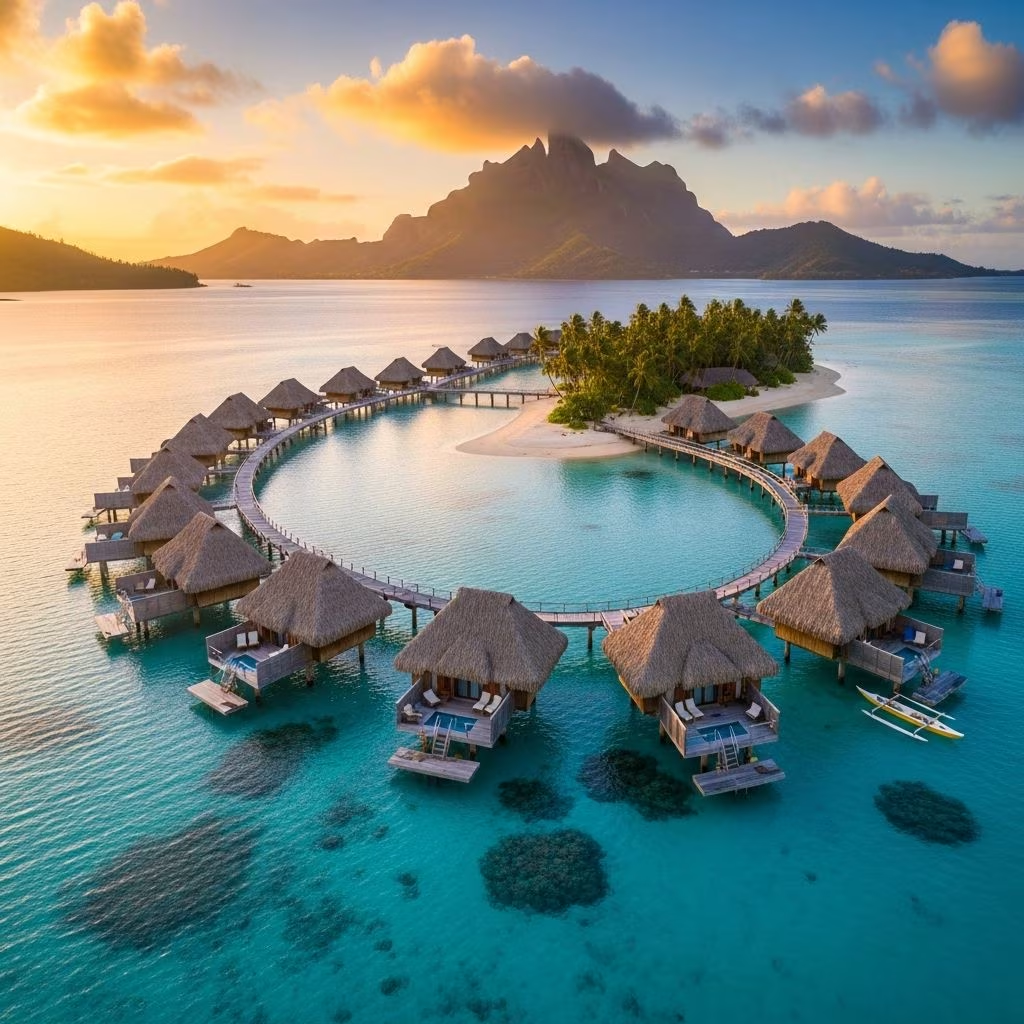
Bora Bora epitomizes tropical paradise in the popular imagination, renowned for its breathtaking lagoon framed by coconut-fringed beaches and dramatic volcanic peaks. The island has established itself as the premier destination for luxury accommodations, particularly distinctive overwater bungalows offering direct lagoon access and panoramic water views. Some premium resorts feature private plunge pools integrated into individual bungalows, elevating the experience beyond standard luxury offerings.
The island’s relatively low rainfall creates consistently favorable conditions for water activities and outdoor exploration. Bora Bora’s lagoon supports thriving marine ecosystems, making snorkeling and diving accessible even for less experienced participants. Pearl farming remains an active industry, and visitors can observe cultivation techniques while learning about this traditional economic cornerstone.
Romantic couples frequently choose Bora Bora for traditional ceremonies, intimate dinners under starlit skies, and couples’ spa treatments. The island’s infrastructure supports elaborate customized experiences, though visitors should anticipate premium pricing reflecting the destination’s exclusivity and demand.
Located just 17 kilometers from Tahiti, Moorea provides convenient access to dramatic mountain scenery and spectacular lagoon environments without requiring lengthy travel. The island’s distinctive heart-shaped peaks create iconic silhouettes visible from multiple vantage points across the lagoon. Moorea appeals to travelers seeking adventure activities balanced with accessibility and reasonable accommodation options.
Bicycle touring offers an excellent way to circumnavigate the island independently, covering approximately 60 kilometers on varied terrain. This approach works particularly well for families with children and budget-conscious travelers. The journey passes numerous beaches suitable for cooling off and includes opportunities to visit small communities and local businesses.
These sister islands share a lagoon system and embody the spiritual heart of French Polynesia’s cultural landscape. Lush vegetation blankets both islands, supporting diverse plant species and creating environments that feel distinctly removed from heavily developed tourist areas. The islands share similar attributes including excellent sailing conditions, making them popular with maritime enthusiasts.
Taputapuatea, designated as a UNESCO World Heritage Site, represents the most significant and spectacular archaeological complex in French Polynesia. This ancient marae served as a crucial ceremonial center throughout Polynesian history and maintains profound spiritual importance. Interpretive displays help visitors understand the site’s historical and cultural significance within the broader Polynesian triangle connecting Hawaii, New Zealand, and the Cook Islands.
Mount Tapioi offers an achievable two-hour round-trip hiking experience providing panoramic views across multiple islands. Mount Temehani’s guided hikes pursue the rare tiare ‘apetahi flower, found nowhere else on Earth, combining botanical interest with scenic rewards. The Faaroa River, French Polynesia’s only navigable waterway, winds through dense tropical forests and carries legendary connections to ancient Polynesian migration patterns.
French Polynesia attracts serious divers from worldwide locations, offering consistently excellent diving conditions across multiple islands. Eleven islands operate established dive centers with well-maintained equipment and experienced instruction. Single-tank dives typically cost approximately 10,100 XPF, while two-tank expeditions command prices around 15,000 XPF.
Rangiroa holds international recognition as among Earth’s premier diving destinations for encounters with large pelagic species. Tikehau and Fakarava provide equally remarkable alternatives, each offering distinct underwater topography and species assemblies. Divers regularly encounter dolphins, sharks, barracudas, manta rays, and countless colorful reef fish across various sites. Advanced divers and underwater photographers find particularly rewarding opportunities for documenting marine biodiversity.
Many resorts maintain lagoon sanctuaries where marine biologists conduct coral rehabilitation projects and habitat restoration work. These facilities provide both educational value and contribute meaningfully to reef ecosystem preservation. Visitors can observe conservation efforts firsthand while supporting these important initiatives through accommodation choices.
Snorkeling requires minimal training or equipment investment, making it accessible to virtually all visitors regardless of swimming ability or diving certification. Lagoons throughout French Polynesia offer pristine conditions for snorkelers, with warm temperatures, excellent visibility, and abundant marine life viewable in shallow water. The Sofitel and Intercontinental resorts on Bora Bora rent kayaks providing independent access to excellent snorkeling locations including Motu Piti ‘U’u Uta.
Coral gardens in various locations showcase spectacular polyp displays and support diverse fish populations in visually stunning environments. Private lagoon tours can be arranged through resort concierges, featuring small group experiences with personalized attention and specialized knowledge about local marine ecology.
French Polynesia’s position in the Pacific creates year-round swells suitable for surfers across experience levels. Popular breaks including Maraa, Teahupoo, Rangiroa Atoll, and Tikehau Left attract both beginner and advanced practitioners. Surfboard rentals average approximately 4,500 XPF daily, with equivalent costs for two to three-hour instructional sessions from qualified instructors.
Teahupoo has gained international prominence as an exceptionally challenging break generating massive waves that attract professional competitors and fearless enthusiasts seeking ultimate adrenaline experiences. Beginners find gentler alternatives offering appropriate wave heights and forgiving conditions for skill development.
Fatu Hiva, the southernmost and most isolated Marquesas Island, offers experiences that differentiate it markedly from Society Island destinations. The Bay of Virgins earns frequent descriptions as French Polynesia’s most stunning body of water, featuring dramatic cliff formations, deep ravines, and jungle vegetation creating breathtaking landscapes. Accessibility requires significant time and financial investment—a 3.5-hour flight from Tahiti to Atuona followed by a five-hour ferry journey totaling approximately 12,000 XPF.
This remote location appeals primarily to travelers with flexible schedules and genuine interest in encountering authentic Polynesian environments with minimal commercial infrastructure. The rugged beauty and isolation create transformative experiences for those willing to undertake the logistical challenges required to reach this extraordinary destination.
Motu Teahatea, commonly referred to as Green Lagoon, represents an idyllic sheltered lagoon environment bordered by palm-fringed motus. This location exemplifies the serene beauty characteristic of less-visited atolls, offering travelers seeking tranquility and natural splendor an alternative to more developed island destinations. The distinctive coloration and protected waters create exceptional conditions for swimming, snorkeling, and photography.
Marae Maeva represents French Polynesia’s largest archaeological complex, though unfortunately interpretive signage requires restoration and updating. Despite labeling limitations, the site’s physical beauty and historical importance justify inclusion on comprehensive island tours. Archaeological enthusiasts and culturally engaged travelers particularly appreciate opportunities to explore these ancient ceremonial spaces.
Huahine features various cultural attractions including the Sacred Blue-Eyed Eels inhabiting Faie’s streams, typically hiding beneath small walls or bridges. The Belvedere viewpoint accessible via roads from Faie provides stunning vistas across multiple islands. Local artisans create distinctive paréos at Maison du Paréo, producing beautiful souvenirs reflecting traditional textile arts.
French Polynesia’s tropical climate supports year-round visitation, though seasonal variations influence weather patterns and conditions. The dry season from May through October offers slightly cooler temperatures and reduced precipitation, attracting larger visitor numbers. The wet season from November through April brings occasional heavy rainfall but features fewer tourists and lower accommodation prices. Hurricane season peaks during December and January, influencing travel insurance considerations and weather monitoring during this period.
Domestic airline services connect major islands with regular flight schedules, typically requiring 30 minutes to several hours depending on destinations. Ferry services operate between certain island groups, offering more economical but time-consuming alternatives. Inter-island travel represents a significant travel planning component, as most itineraries involve visiting multiple locations to experience French Polynesia’s diverse attractions.
Accommodation options range from luxury overwater bungalows commanding premium rates to budget-friendly guesthouses offering basic but comfortable amenities. Mid-range options include beachfront resorts with good value propositions and resort facilities. Local pensions provide culturally immersive experiences with opportunities for authentic interactions with island residents.
The Pacific Franc (XPF) functions as the official currency throughout French Polynesia. As a French overseas collectivity, the region maintains relatively high price levels reflecting tourism demand and limited domestic production. Budget considerations should anticipate elevated costs for food, accommodation, and activities compared to mainland France or most Asian destinations.
French Polynesia’s culinary scene blends Polynesian traditions with French influences and contemporary fusion approaches. Fresh seafood, tropical fruits, and coconut milk appear throughout menus. Waterfront food trucks in locations like Fare provide delicious affordable meals, while fine dining establishments in Bora Bora and Papeete offer refined gastronomic experiences. Markets provide opportunities to purchase fresh produce and local specialties for self-catering arrangements.
French Polynesia delivers transformative travel experiences combining natural splendor, cultural authenticity, and adventure opportunities across its 118 islands. Whether prioritizing luxury relaxation, marine exploration, or cultural immersion, visitors discover attractions matching diverse interests and travel styles. Strategic planning addressing transportation logistics, accommodation selection, and activity preferences ensures maximizing French Polynesia’s extraordinary offerings within chosen timeframes and budgets.
