

 Travel Essentials
 Travel Essentials

Comprehensive guide covering logistics, cultural insights, practical considerations, and island-hopping strategies for visiting French Polynesia's 118 islands.
 Travel Essentials
French Polynesia represents one of the world’s most captivating tropical destinations, stretching across the South Pacific with 118 islands and atolls distributed among five distinct archipelagos. Before embarking on this journey to pristine lagoons, volcanic peaks, and vibrant Polynesian culture, travelers must understand the fundamental logistics and considerations that distinguish this destination from conventional vacation spots. The isolation of these islands, combined with their unique geography and cultural heritage, requires thoughtful planning to maximize both enjoyment and responsible travel practices.
French Polynesia consists of multiple island groups, each offering distinct experiences and accessibility levels. The Society Islands form the primary tourist corridor, featuring the most developed infrastructure and frequent transportation connections. This group includes Tahiti, Moorea, Bora Bora, Raiatea, Huahine, and Taha’a—islands that range from cosmopolitan centers to intimate atolls. Beyond the Society Islands, the Tuamotu Archipelago comprises numerous atolls characterized by pristine lagoons and exceptional diving conditions. The Marquesas, Gambier Islands, and Austral Islands represent more remote destinations for travelers seeking authentic, underdeveloped experiences.
Understanding this categorization helps travelers align their itineraries with their comfort levels and time constraints. The Society Islands accommodate visitors seeking a balance between cultural engagement and modern amenities, while remote atolls appeal to those prioritizing natural experiences and isolation from typical tourist infrastructure.
Island-hopping requires strategic decisions about transportation methods, as options significantly impact both budget and travel pace. The primary transportation methods include regional aircraft and inter-island ferries, each offering distinct advantages.
Air Transport: Multiple daily flights connect major Society Islands, with shorter flights lasting 30 to 60 minutes between destinations. The national carrier and regional operators maintain regular schedules linking Tahiti’s Faa’a International Airport to outlying islands. While air travel provides speed and convenience, it represents the more expensive option for budget-conscious travelers.
Ferry Services: Inter-island ferries offer substantially more economical transportation, particularly between frequently-traveled routes. The Tahiti to Moorea crossing features multiple daily ferry departures, making it the most accessible and affordable inter-island journey. Ferry schedules vary seasonally and weather conditions occasionally disrupt service, requiring flexibility in travel planning.
Vehicle Rentals: Once on individual islands, renting vehicles becomes essential for comprehensive exploration. Tahiti and Moorea warrant full-day or multi-day car rentals to traverse coastal routes and reach interior attractions. Smaller islands remain accessible by bicycle or local transportation services, though vehicle availability varies considerably.
French Polynesia experiences a tropical climate with distinct seasonal variations affecting travel comfort and activity availability. The region rarely experiences rainfall in certain atolls, creating ideal conditions for year-round water activities. However, cyclone season typically extends from November through April, bringing increased precipitation and occasional weather disruptions.
The dry season (May through October) provides optimal conditions for outdoor activities, snorkeling, diving, and hiking excursions. Tourist crowds tend to concentrate during these months, potentially affecting accommodation availability and costs. Traveling during shoulder seasons (April-May or September-October) offers a compromise between favorable weather and reduced crowding, though some travelers specifically seek the lush, green landscapes characteristic of wetter months.
French Polynesia operates on the French Pacific Franc (CFP), distinct from the Euro despite French sovereignty. Currency exchange rates significantly impact travel budgets, particularly for accommodation and dining expenses in developed islands. Automated teller machines operate in major towns, though remote islands may lack banking infrastructure, requiring travelers to carry sufficient cash.
Budget expectations should account for several cost categories: inter-island transportation, accommodation ranging from budget pensions to luxury overwater bungalows, meal expenses (French-influenced cuisine commands premium pricing), and activity bookings. Snorkeling and lagoon tours typically cost between moderate and premium price ranges depending on operator and destination exclusivity.
Polynesian culture encompasses distinct traditions, spiritual practices, and social customs demanding respectful engagement from visiting travelers. Sacred sites, known as Marae, represent ancestral and spiritual significance throughout the islands. These archaeological locations require respectful behavior and appropriate dress when visiting, with some sites incorporating specific protocols established by local communities.
The practice of pareo wearing extends beyond fashion into cultural identity. Local artisans create handmade paréo featuring traditional patterns and techniques, with purchasing from independent craftspeople directly supporting cultural preservation. Engaging with cultural experiences—whether attending traditional ceremonies, learning from local guides, or visiting cultural institutions—demonstrates genuine interest in Polynesian heritage rather than treating culture as entertainment backdrop.
Language considerations include basic French familiarity (particularly useful in service industries) and awareness that Tahitian and other Polynesian languages remain spoken among island communities. Simple courtesy words in French or local languages enhance interactions and demonstrate respect.
Accommodation options span extraordinary ranges, accommodating various budgets and preferences. Traditional pensions represent budget-friendly options frequently operated by local families, offering authentic cultural immersion and intimate island perspectives. These modest establishments often provide information about local activities and cultural events unavailable through standard tourism channels.
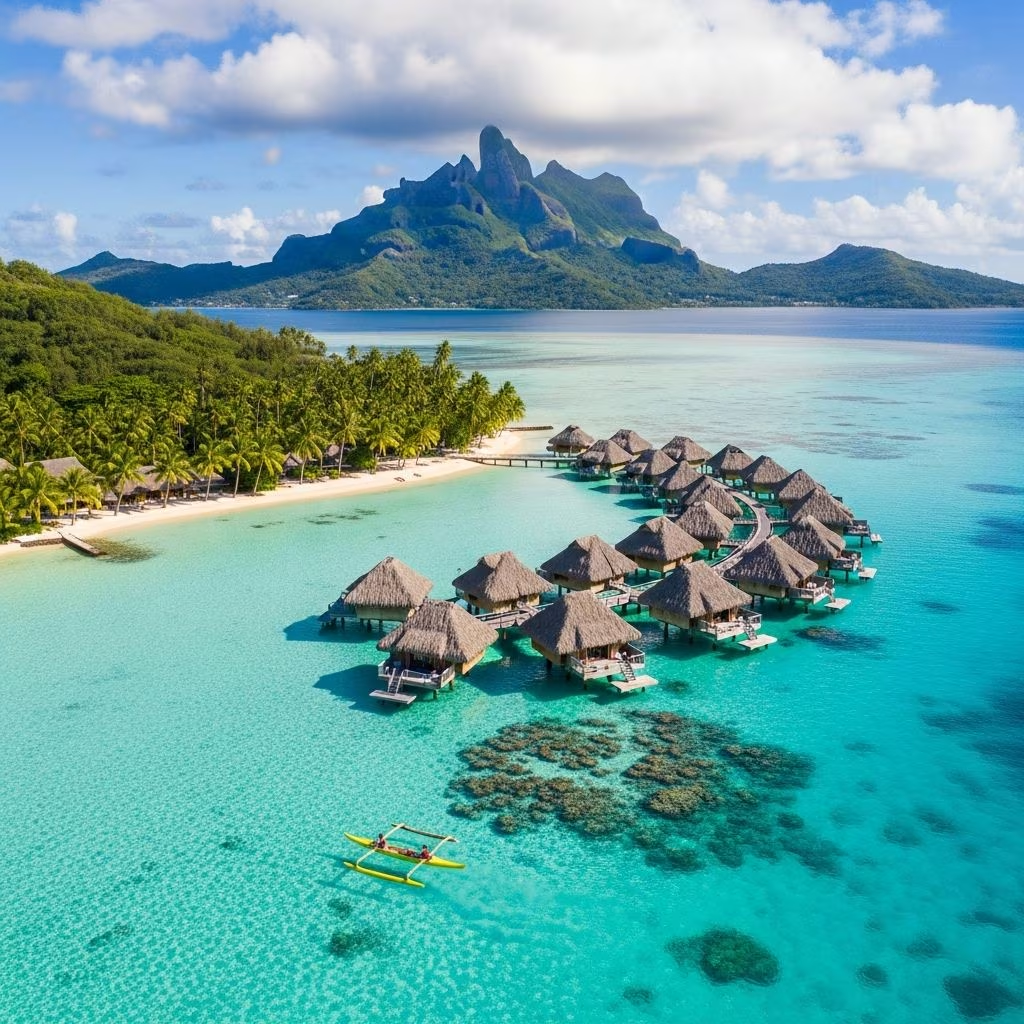
Mid-range resorts balance comfort with reasonable pricing, typically featuring ocean views, basic amenities, and organized activity access. Premium overwater bungalows represent the iconic French Polynesia experience—glass-floored structures suspended above lagoons enabling direct observation of marine life and coral formations. These luxury accommodations command premium pricing but provide incomparable experiences for special occasions or extended stays.
Resort selection should consider location strategy within island-hopping itineraries. Staying at different accommodation types across multiple islands provides varied experiences while supporting economic diversity within communities.
French Polynesia’s primary attractions center on water-based activities including snorkeling, diving, and lagoon exploration. The lagoons maintain exceptional clarity and abundant marine biodiversity, creating ideal conditions for underwater observation. Snorkeling opportunities exist throughout Society Islands and Tuamotu atolls, with certain locations accessible directly from beaches while others require boat transportation.
Diving experiences range from beginner instruction to advanced expeditions, with establishments like certified dive operators offering training certification and guided experiences. The region’s reputation for viewing large marine species, particularly manta rays, attracts diving enthusiasts worldwide. Environmental consciousness during water activities—avoiding sunscreen damaging to coral ecosystems, maintaining distance from marine life, and respecting protected areas—ensures sustainability of these precious resources.
Kayaking provides intimate lagoon exploration opportunities, with kayak rentals available at major resorts and independent operators. Navigable waterways like the Faaroa River in Raiatea offer freshwater exploration through tropical forest environments.
Beyond water activities, islands offer diverse terrestrial attractions including hiking, archaeological sites, and scenic viewpoints. Volcanic peaks characterize Society Islands, with accessible hikes providing panoramic lagoon perspectives. Mount Otemanu hikes and other guided excursions reveal interior landscapes often invisible to casual visitors.
Archaeological significance concentrates in specific locations: Taputapuatea Marae on Raiatea holds UNESCO World Heritage designation as the most significant marae throughout the Polynesian triangle. These sites provide tangible connections to Polynesian ancestral history and navigation achievements.
Natural attractions extend to unique geological features: the green lagoon (Motu Teahatea) in Fakarava showcases distinctive coloration from specific algae populations, while sacred blue-eyed eels inhabit Faie streams, representing cultural and natural curiosities. Black sand beaches characterize certain Tahitian coastal areas, contrasting with the ubiquitous white sand beaches typical of tropical Pacific islands.
Tahiti Foundation: The largest and most developed island serves as the primary entry point and transit hub. Rather than viewing Tahiti as merely a gateway, allocating dedicated exploration time reveals market experiences, cultural institutions, and coastal attractions. Papeete’s colorful markets reflect local commerce and agricultural production, while museums preserve Polynesian historical artifacts and knowledge.
Moorea Proximity: Just a short ferry from Tahiti, Moorea offers easily accessible tropical island experiences without requiring expensive flights. The island’s dramatic peaks, coral-filled lagoons, and resort infrastructure make it ideal for travelers with limited time or budgets. Kayaking opportunities and snorkeling accessibility from beach locations distinguish Moorea from more remote destinations.
Bora Bora Luxury: The famous overwater bungalow destination commands premium pricing but provides singular experiences. The lagoon’s incredible beauty and shallow, clear waters justify the expense for many travelers, though alternatives exist for experiencing similar environments at lower costs.
Raiatea and Huahine Development: These Society Islands offer authentic alternatives to Bora Bora, combining accessibility with lower crowding and more affordable accommodation. Raiatea’s historical significance and Huahine’s authentic community engagement appeal to culturally-conscious travelers.
Tuamotu Atolls Remoteness: Fakarava and Rangiroa represent diving destinations of international significance, with specific appeal for underwater enthusiasts. These atolls provide extreme natural beauty and authentic atoll living experiences but require commitment to longer stays and acceptance of limited amenities.
Passport validity (minimum six months) and visa requirements vary by nationality but generally permit visa-free entry for citizens of developed nations for extended tourist stays. Travel insurance specifically covering medical evacuation proves crucial given island medical facilities’ limitations and distances to comprehensive healthcare services.
Packing considerations should emphasize reef-safe sunscreen, lightweight clothing accommodating sudden weather changes, water shoes for rocky beach entry, and medications unavailable on remote islands. Electronic devices require power adapters compatible with French electrical standards.
Successful French Polynesia travel integrates practical preparation with cultural sensitivity and environmental consciousness. Understanding transportation networks, seasonal factors, budget requirements, and cultural protocols establishes foundations for meaningful engagement with this extraordinary destination. Whether pursuing luxury resort experiences, adventurous water sports, archaeological exploration, or authentic community interaction, comprehensive pre-travel planning maximizes satisfaction while ensuring respectful engagement with Polynesian communities and fragile island ecosystems.
