

 Travel Essentials
 Travel Essentials

Explore the most remote islands of French Polynesia, from the wild Marquesas to the coral paradises of Tuamotu, offering untouched beaches, diving havens, and cultural immersion.
 Travel Essentials
French Polynesia, scattered across the vast South Pacific, captivates with its mosaic of over 100 islands divided into five archipelagos: Society, Tuamotu, Gambier, Marquesas, and Austral. While iconic spots like Bora Bora draw crowds, the true allure lies in its remotest corners—places where turquoise lagoons meet jagged volcanic peaks, and human footprints are rare. These isolated havens promise profound solitude, biodiversity hotspots, and glimpses into traditional Polynesian life unmarred by mass tourism.
The appeal of these distant islands transcends mere scenery. Their inaccessibility fosters ecosystems teeming with endemic species, from vibrant coral reefs to rare birds. Travelers here embrace slow-paced rhythms: snorkeling in uninhabited atolls, hiking lush valleys, or sharing meals with local families. Accessibility demands commitment—flights from Tahiti can take hours, followed by boat rides or treks—ensuring only the dedicated arrive. This remoteness safeguards cultural authenticity, where Marquesan tattoos and pearl farming persist as living traditions.
Environmentally, these islands are sanctuaries. Many are UNESCO Biosphere Reserves, protecting marine life against climate threats. Diving enthusiasts revel in shark-filled passes, while hikers conquer trails untouched by roads. For eco-conscious explorers, these spots offer sustainable luxury: overwater bungalows powered by solar energy, farm-to-table cuisine from local gardens.
The Marquesas, 900 miles northeast of Tahiti, stand as French Polynesia’s wild frontier. Known for towering basalt spires, dense jungles, and ancient tikis, they epitomize raw isolation. Nuku Hiva, the largest, claims one of Earth’s most remote valleys: Hakaui, accessible only by a 17km hike or boat from Taiohae town. Over 3,000 miles from the nearest continent, its cascading waterfalls and horse-filled meadows evoke prehistoric allure.
Other Marquesan gems include Ua Pou’s jagged peaks, ideal for guided hikes revealing petroglyphs, and Fatu Hiva’s Bay of Virgins, a sheltered anchorage for yachties. Accommodations blend into nature: family-run pensions serve poisson cru (marinated fish) amid tiare-scented gardens. Cultural immersion peaks at festivals like the Marquesas Arts Festival, every four years, showcasing chants, dances, and crafts.
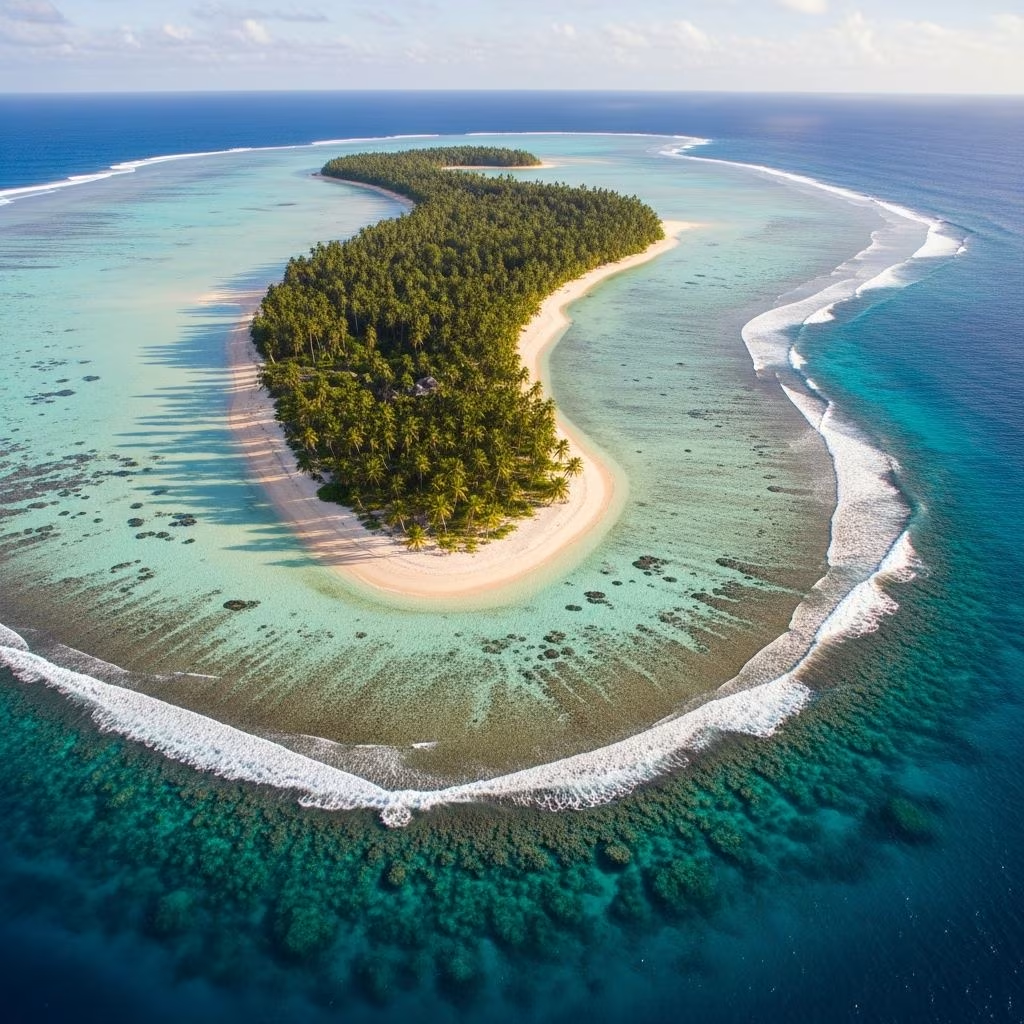
Stretching over 1,000 miles, the Tuamotu Archipelago comprises low-lying coral rings encircling vast lagoons. These pancake-flat atolls, barely above sea level, host world-class diving amid pink sands and coconut groves. Fakarava, a UNESCO reserve, boasts the second-largest lagoon here—9 square miles of garuae sharks patrolling its passes.
Manihi, the Pearl Island, lies farthest north, two hours by air from Tahiti. Its inner lagoon nurtures Tahitian black pearls, with farms offering tours of iridescent oyster beds. Life unfolds leisurely: bike around white-sand motus (islets), snorkel with rays, or relax in pearl-strand hammocks. Tikehau, dubbed Pink Sand Island, delivers tranquility—its name means ‘peaceful landing.’ Tiny islets fringed by calm beaches teem with marine life; divers spot manta rays and turtles in turquoise drifts.
Rangiroa, the largest atoll globally, features dolphin-filled Tiputa Pass, where currents sweep divers through fish tornadoes. These islands’ fragility underscores responsible travel: avoid touching corals, support local pearl cooperatives.
| Island | Lagoon Size | Top Activity | Marine Specialty |
|---|---|---|---|
| Fakarava | 9 sq mi | Shark diving | Blacktip sharks |
| Manihi | Small | Pearl farm tours | Black pearls, rays |
| Tikehau | Medium | Snorkeling motus | Mantas, turtles |
| Rangiroa | 600 sq mi | Drift dives | Dolphins, eagles |
Mangareva in the Gambier chain is among the world’s most remote inhabited specks—over three hours by plane from Tahiti, then boat hops. This volcanic cluster hides pearl lagoons rivaling Manihi’s, black-sand beaches, and colonial churches carved from coral. Hikers scale Mount Duff for panoramic views of fringing reefs; snorkelers explore Taravai’s underwater caves.
With fewer than 1,300 residents, Gambier feels intimately local. Stay in guesthouses savoring umu (earth-oven) feasts of goat, breadfruit, and fresh fish. Its isolation preserved Polynesian Catholicism, evident in ornate chapels. For adventurers, sailing charters navigate treacherous passes, revealing hidden bays.
Southwest of Tahiti, the Australs offer cooler climes and dramatic landscapes. Rapa Iti, tiniest and remotest, resembles a Jurassic fortress with sheer cliffs and mist-shrouded peaks. Accessible via infrequent flights, it’s hiker heaven: trails to Feani waterfalls plunge into natural pools. Locals, proud Rapa speakers, host homestays with storytelling evenings.
Rurutu and Tubuai feature archaeological sites, humpback whale watching (July-October), and cave explorations. These under-visited isles prioritize community tourism, funding conservation via visitor levies.
Planning demands flexibility: Air Tahiti’s inter-island flights book early; charters fill fast. Pack reef-safe sunscreen, quick-dry attire, and motion-sickness remedies for boat transfers. Health-wise, no major risks beyond UV exposure and jellyfish seasons. Budget $500-1,000/day including flights, lodgings (pensions $150-400/night), meals ($50/person).
Start in Papeete (PPT), then Air Tahiti or charters to hubs like Nuku Hiva or Rangiroa. Boats connect outer atolls; yachts via Raiatea marinas.
Dry season (May-Nov) for Marquesas hikes; year-round for Tuamotu diving, avoiding cyclone-prone Dec-Apr.
Yes—Fakarava’s Maitai or Tikehau’s pearl resort offer bungalows; Marquesas have upscale lodges like Nuka Hiva Pearl.
Very; low crime, welcoming locals. Join group tours for remote treks.
Sharks, manta rays, humpbacks, endemic birds like Tuamotu sandpipers; no large predators.
These islands redefine escape, blending adrenaline with peace. Whether chasing waterfalls or reef drifts, French Polynesia’s remotes deliver soul-stirring solitude.
