

 Travel Essentials
 Travel Essentials

Explore the most isolated islands of French Polynesia, from the wild Marquesas to pristine Tuamotu atolls, offering unparalleled privacy and natural beauty.
 Travel Essentials
French Polynesia, scattered across the vast South Pacific, harbors some of the world’s most isolated archipelagos. Beyond the famed Bora Bora and Tahiti lies a constellation of remote islands where travelers can truly disconnect. These destinations, spanning the Marquesas, Tuamotu, and Gambier groups, promise pristine landscapes, vibrant marine life, and cultural authenticity untouched by mass tourism. This guide delves into their unique allure, practical access tips, and immersive experiences.
The appeal of these far-flung specks lies in their inaccessibility. Many require multi-day voyages or chartered flights, ensuring solitude amid staggering beauty. Imagine waking to the sound of waves on pink sands or hiking through volcanic valleys without another soul in sight. These islands preserve Polynesian traditions, from pearl farming to ancient tattoo arts, while offering world-class diving in UNESCO-protected sites. For eco-conscious adventurers, they represent biodiversity hotspots with rare birds, sharks, and coral gardens.
The Marquesas Islands stand as French Polynesia’s most rugged and distant chain, over 900 miles northeast of Tahiti. Known for towering basalt cliffs, lush waterfalls, and sacred tiki statues, they embody raw Polynesian wilderness. Nuku Hiva, the largest, captivates with its extreme remoteness—the nearest landmass exceeds 3,000 miles away.
Central to Nuku Hiva is Hakaui Valley, accessible only by boat or a demanding 17km hike from Taiohae town. Towering cliffs frame the world’s fourth-tallest waterfall, plunging 350 meters into a crystalline pool. Hikers navigate dense forests teeming with endemic birds like the Nuku Hiva sandpiper. Local guides share legends of ancient warriors, enhancing the spiritual journey. Stay in eco-lodges overlooking bays where humpback whales breach seasonally.
Neighboring Ua Pou features dramatic basalt spires resembling cathedral organs, ideal for kayaking expeditions. Hiva Oa, Paul Gauguin’s final resting place, blends art history with hiking to archaeological sites like Iipona’s stone platforms. These islands host fewer than 10,000 residents total, fostering genuine interactions with Marquesan artisans crafting wood carvings and ukuleles.
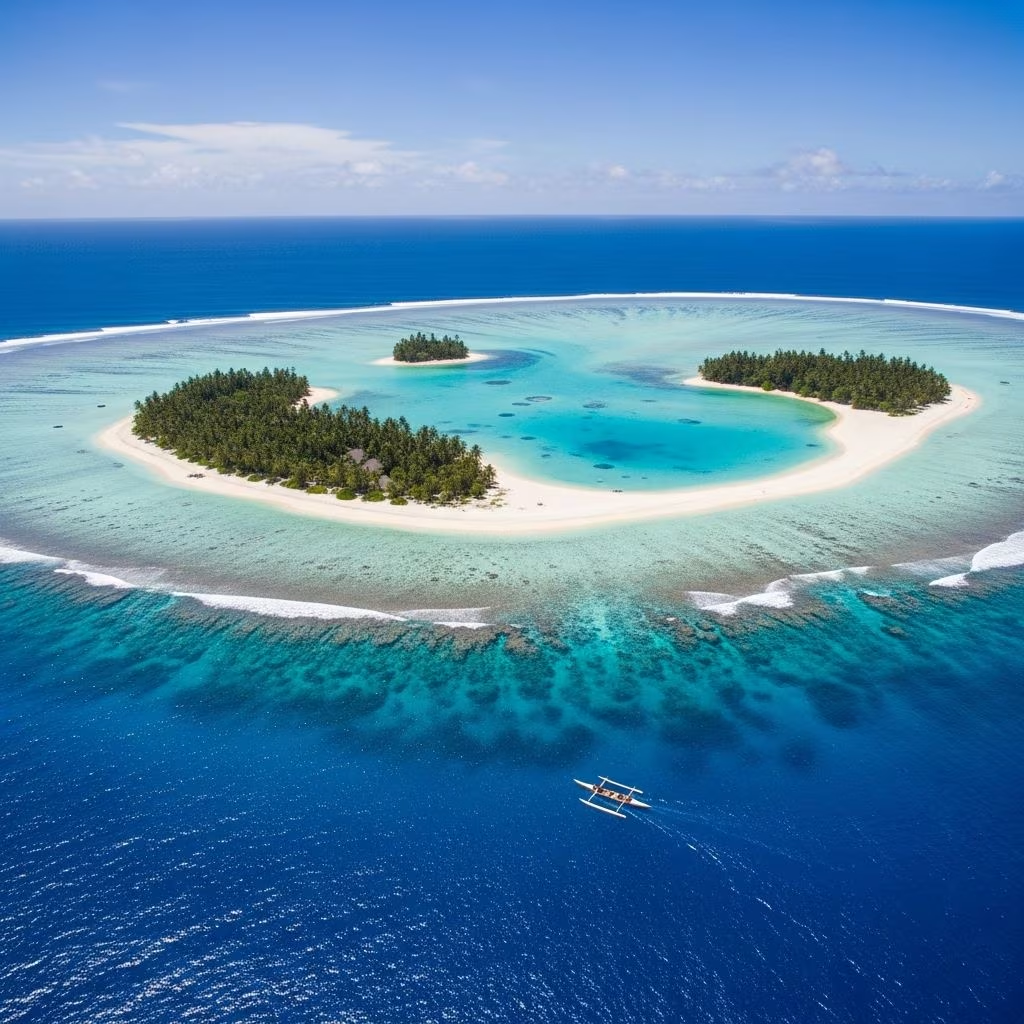
Stretching over 1,000 miles, the Tuamotu Archipelago comprises 78 coral atolls, many barely above sea level. Their vast lagoons, fringed by motus (islet gardens), host some of the planet’s richest dive sites. Rangiroa, the largest atoll globally, funnels nutrient-rich currents attracting dolphins and manta rays.
Dubbed the Island of Dreams, Fakarava spans a 9-square-mile lagoon teeming with grey reef sharks. As a UNESCO Biosphere Reserve, it safeguards rare species like the Fakarava tern. Divers explore Garuae Pass, where eagle rays glide amid coral bommies. On land, cycle through coconut groves to hidden beaches, or join locals for coconut crab hunts at dusk.
Two hours north of Tahiti by air, Manihi earns its Island of Pearls moniker from black pearl farms dotting its lagoon. Visitors snorkel with turtles amid pearl oysters and learn cultivation techniques from family operations. The island’s white sands and slow-paced vibe invite hammock lounging, with evenings lit by phosphorescent waves.
Tikehau, meaning “peaceful landing,” lives up to its name with pink-tinged beaches from crushed coral. Tiny motus hide in coconut palms, perfect for private picnics. Its lagoon brims with parrotfish and octopuses, drawing divers seeking uncrowded sites. Eco-resorts emphasize sustainability, using solar power and serving farm-to-table Polynesian fare.
| Island | Lagoon Size | Key Marine Life | Unique Feature |
|---|---|---|---|
| Fakarava | 9 sq mi | Sharks, rays | UNESCO Reserve |
| Manihi | Compact | Turtles, pearls | Pearl farms |
| Tikehau | Vast | Parrotfish | Pink sands |
| Rangiroa | World’s largest | Dolphins, mantas | Tiputa Pass |
Over three hours by plane from Tahiti, the Gambier Islands represent peak isolation. Mangareva, the main hub, perches amid volcanic peaks with fringing reefs forming natural harbors. Its remoteness preserved Catholic missions from the 1800s alongside pearl lagoons. Snorkelers spot lemon sharks, while pearl divers share harvesting secrets. Fewer than 1,500 inhabitants ensure an intimate welcome.
Access demands planning. Air Tahiti flies to Nuku Hiva (3.5 hours from Papeete) and Tuamotu outposts. For Gambiers, weekly flights via cargo planes. Inter-island ferries like Aranui cruise the Marquesas, blending luxury with cultural stops. Charters offer flexibility for divers. Pack reef-safe sunscreen, motion sickness remedies, and cash—ATMs are scarce.
These islands’ fragility underscores responsible tourism. Support marine protected areas by choosing PADI Green Star resorts. Avoid single-use plastics and follow no-trace hiking principles. Engage locals through homestays, boosting economies without cultural dilution. Climate change threatens rising seas—opt for carbon-offset flights.
Fly from Papeete via Air Tahiti to hubs like Nuku Hiva or Rangiroa, then connect by ferry or charter. Cruises like Aranui service Marquesas routes.
Dry season (May-Oct) offers calmer seas and less rain, ideal for diving and hiking.
Yes, with low crime rates. Locals are hospitable; stick to guided activities in remote areas.
World-class scuba diving, snorkeling, kayaking, and beachcombing in shark-filled lagoons.
Absolutely—join tattoo workshops, ukulele sessions, and feasts in Marquesas villages.
