

 Travel Essentials
 Travel Essentials

Explore Fukue Island, the largest in the Goto Islands, offering hidden Christian sites, stunning coastlines, and outdoor adventures away from tourist crowds.
 Travel Essentials
Fukue Island stands as the crown jewel of the Goto archipelago, a cluster of over 140 islands off Nagasaki Prefecture’s coast in Japan’s Kyushu region. As the largest and most accessible of the main islands, it blends rich history, breathtaking natural beauty, and a peaceful atmosphere ideal for travelers seeking respite from crowded destinations.
Reaching Fukue is straightforward, making it an inviting gateway to the Goto Islands. Flights from Nagasaki Airport take about 30 minutes, while those from Fukuoka Airport last around 40 minutes, landing at the island’s sole airport in Goto City. For a scenic approach, ferries and high-speed boats depart from Nagasaki, Sasebo, or Fukuoka ports. The high-speed Jetfoil from Nagasaki covers the distance in 90 minutes, while slower car ferries offer a budget-friendly three-hour journey with ocean views.
Once on Fukue, renting a car or bicycle unlocks the island’s winding roads and hidden gems. The port town of Fukue serves as the bustling hub, complete with hotels, eateries, and rental shops. From here, ferries connect to neighboring islands like Hisaka, Naru, and Nakadori for multi-island explorations.
Fukue’s past is deeply intertwined with Japan’s hidden Christians, or Kakure Kirishitan, who fled persecution during the Edo Period (1603-1868). After Christianity’s ban lifted in 1873, survivors built humble churches from local stone and wood, showcasing remarkable ingenuity.
Dozaki Church, the archipelago’s oldest, honors the 26 Nagasaki martyrs. Perched near the sea amid lush greenery, its quaint design draws visitors for peaceful reflection. Nearby cafés enhance the serene vibe. Explore further to see hand-painted stained glass and grottos like Lourdes Grotto on nearby isles, part of UNESCO’s Hidden Christian Sites.
Fukue was once a jokamachi, or castle town, home to the last castle constructed in Japanese history. Though ruins remain—now part of Goto High School—the site’s elevated grounds offer panoramic views. Stroll Bukeyashiki Samurai Street, where preserved stone walls and wooden gates evoke Edo-era life. These low-key historical walks provide a tangible link to feudal Japan without the crowds of mainland sites.
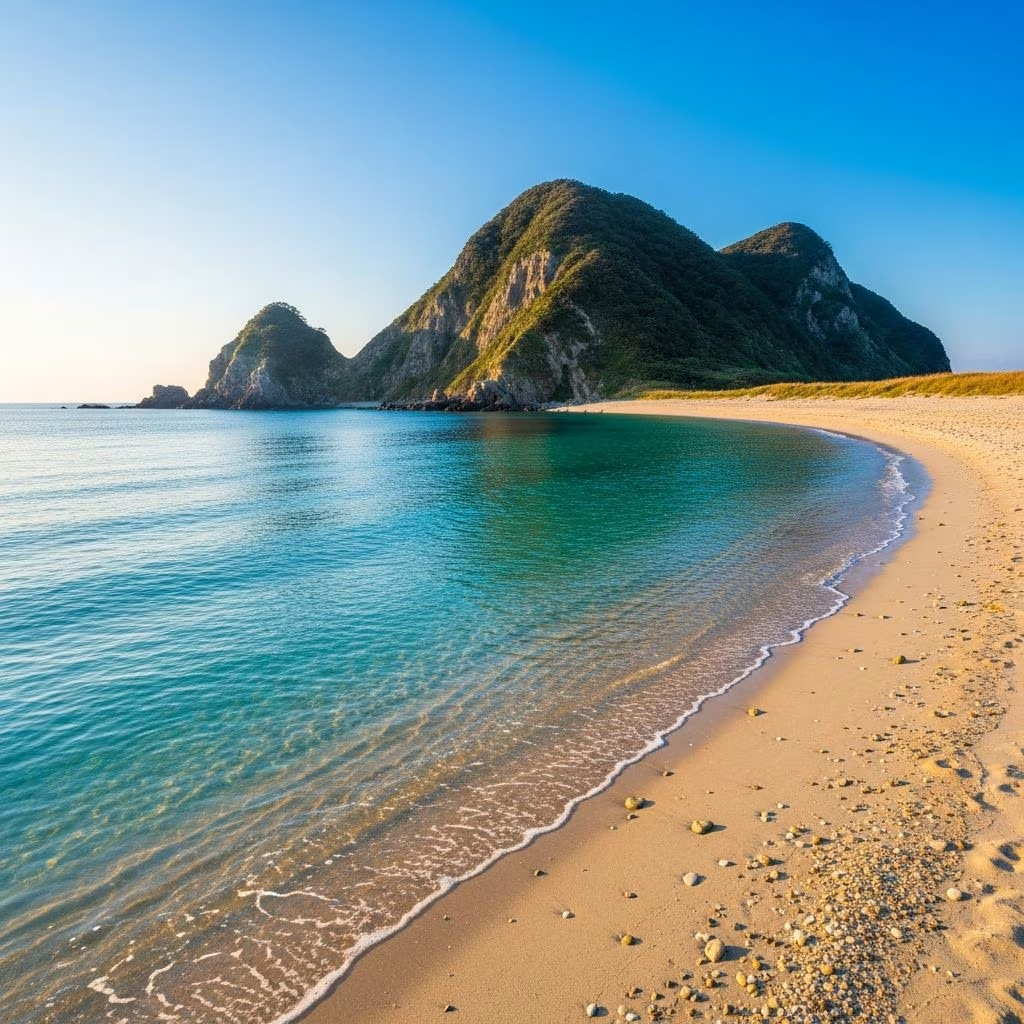
Fukue’s subtropical climate, with an average annual temperature of 17°C, nurtures verdant hills, craggy shores, and some of Japan’s clearest waters. Hamagurihama and Takahama beaches rank among the nation’s top 100 bathing spots, boasting white sands and cobalt-blue seas perfect for swimming, snorkeling, or lazy afternoons.
Hike coastal trails for dramatic cliffs and sea vistas, or venture inland to mountains revealing neighboring islands. The island’s unspoiled terrain invites birdwatching and photography, especially at dawn when mist clings to the hills.
Fukue’s cuisine reflects its island bounty. Fresh seafood dominates, from sashimi platters to grilled catches straight from the boat. Try Goto Beef, a tender, marbled delicacy rivaling premium wagyu, often served as steak or in hot pots. Local soba noodles, made from island grains, pair with tempura veggies. Don’t miss chambered nautilus dishes or Goto udon in cozy eateries around Fukue Port.
| Dish | Description | Best Spots |
|---|---|---|
| Goto Beef | Rich, melt-in-mouth beef from local breeds | Port town restaurants |
| Fresh Sashimi | Daily-caught fish assortments | Seafront izakayas |
| Island Soba | Handmade noodles with seafood broth | Family-run shops |
| Chambered Nautilus | Unique shellfish grilled or stewed | Specialty seafood houses |
From Fukue’s ports—Fukue, Kaitsu, and Okuura—short ferries whisk you to sister islands. Hisaka and Naru boast more hidden Christian villages, while Nakadori offers pristine beaches. Each island varies: Fukue balances agriculture and fishing, creating diverse roadscapes for cyclists.
Spring (cherry blossoms) and autumn (mild weather) shine, but summer’s festivals and beaches draw crowds—though still minimal compared to mainland Japan. Winter suits quiet hikes and hot springs.
Buses connect key sites, but cars or e-bikes provide flexibility for remote spots. Taxis are available but pricier.
Fly from Nagasaki or Fukuoka (30-40 mins), or take ferries/Jetfoils from mainland ports (90 mins to 3 hours).
Yes—beaches, easy fishing, cycling, and historical sites suit all ages.
UNESCO-listed hidden Christian heritage, crystal seas, and low tourist density.
Absolutely, via frequent ferries from three ports to Hisaka, Naru, and more.
Warm year-round (17°C avg), with swimming seasons May-October.
Support local by choosing family businesses, avoid single-use plastics on beaches, and stick to trails to preserve ecosystems. The islands’ pristine state relies on mindful visitors.
Fukue Island captivates with its harmonious blend of history, nature, and culture. Whether chasing spiritual sites, savoring seafood, or unwinding on sands, it promises rejuvenation in Japan’s remote paradise.
