


 Food & Culture
Food & Culture
Fukuoka Yatai: Japan’s Best Street Food Experience
Explore Fukuoka's iconic yatai street food culture, from historic origins to must-try dishes in bustling districts like Nakasu and Nagahama.
 Food & Culture
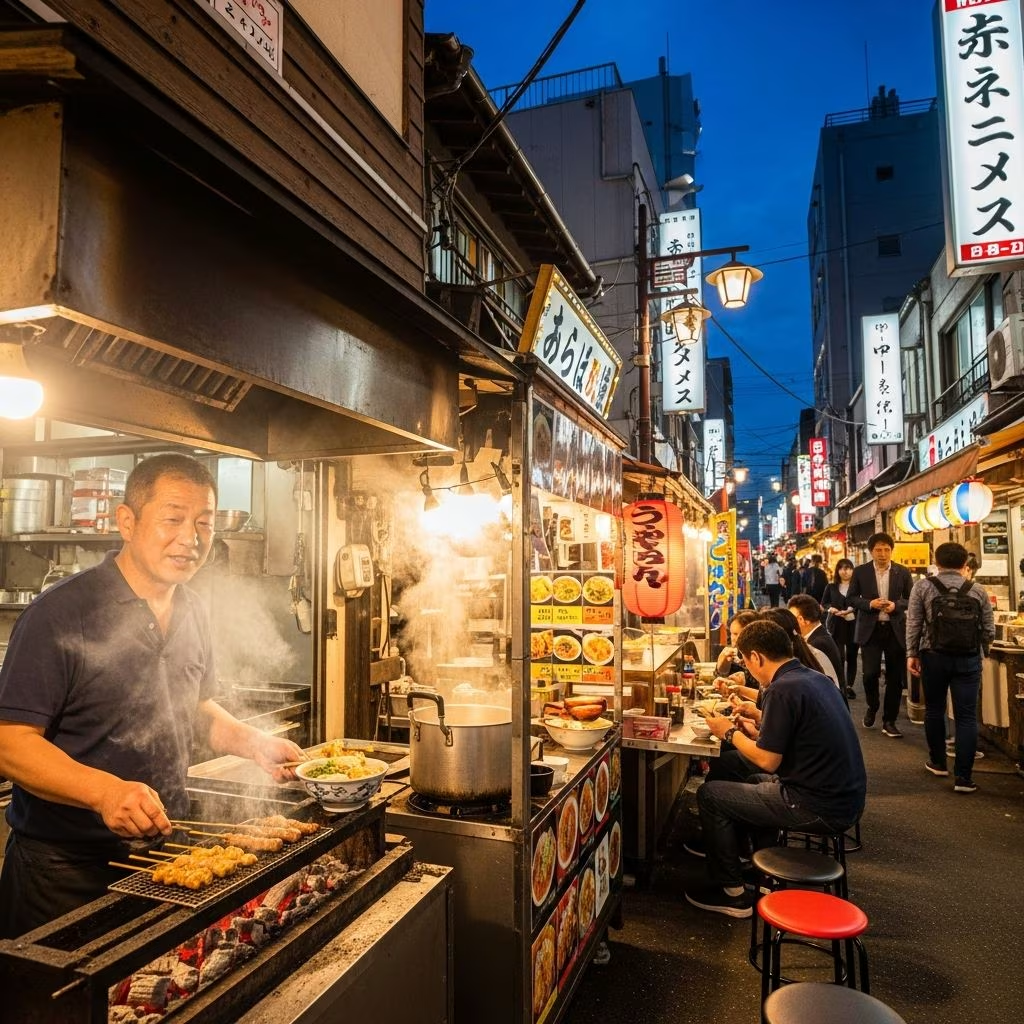
Fukuoka stands out as Japan’s premier destination for street food enthusiasts, boasting a unique network of portable yatai stalls that serve up fresh, affordable meals nightly. These open-air eateries capture the essence of local flavors and communal dining, drawing both residents and visitors to riversides and urban corners.
The Allure of Yatai: Fukuoka’s Street Food Legacy
Yatai, meaning small mobile food carts, emerged in Fukuoka during the post-World War II recovery period in the 1940s and 1950s, when entrepreneurs provided quick, hearty meals to laborers amid economic challenges. Unlike many Japanese cities that restricted such vendors, Fukuoka embraced them, resulting in about half of Japan’s yatai operating here today. These stalls typically accommodate 7-8 patrons, fostering intimate conversations over steaming bowls and sizzling skewers.
Every evening from around 5-6 PM until late night, vendors unpack their setups along sidewalks, riverbanks, and bridges, transforming ordinary streets into lively food hubs. The atmosphere blends the aroma of grilling meats with chatter from diverse crowds, embodying Fukuoka’s welcoming vibe.
Prime Districts for Yatai Adventures
Fukuoka’s yatai cluster in several key areas, each offering distinct experiences. Nakasu Island, in the city’s heart, features a scenic row of about 20 stalls along the water, perfect for ramen lovers. Nearby, the revitalized Nagahama and Neo-Nakasu districts showcase veteran chefs alongside rising stars, highlighting innovative twists on classics.
Along the Naka River toward Tenjin, stalls pop up post-5 PM, creating a dynamic scene amid the urban glow. These spots attract locals for their authenticity, with less tourist saturation compared to Tokyo or Osaka equivalents.
- Nakasu Island: Iconic waterfront lineup with Hakata ramen specialties.
- Nagahama: Historic area blending tradition and fresh energy.
- Neo-Nakasu: Modern vibe with passionate new vendors.
- Naka River to Tenjin: Riverside charm and easy access.
Must-Try Dishes at Fukuoka Yatai
Yatai menus emphasize simple, satisfying fare using fresh Kyushu ingredients. Hakata ramen, Fukuoka’s signature tonkotsu pork broth noodle soup, reigns supreme—rich, creamy, and topped with chashu pork and green onions.
Other highlights include yakitori (grilled chicken skewers), oden (hot pot with fish cakes and daikon), and kushiage (deep-fried skewers). Pair meals with shochu, a potent local spirit distilled from barley or sweet potatoes, for an authentic touch.
| Dish | Description | Why Try It |
|---|---|---|
| Hakata Ramen | Pork bone broth noodles | Signature creamy texture, customizable toppings |
| Yakitori | Grilled chicken skewers | Juicy, smoky flavors in bite-sized portions |
| Oden | Simmered fish cakes & veggies | Warming comfort food for cooler nights |
| Kushiage | Fried skewers | Crispy exterior, varied fillings like seafood |
| Mentaiko | Spicy cod roe | Fukuoka specialty, fresh & bold |
Navigating Yatai Etiquette and Tips
To blend in like a local, arrive early as stalls fill quickly—queues form by 7 PM. Share tables with strangers, a hallmark of yatai camaraderie, and order via simple Japanese phrases or pointing. Prices remain budget-friendly, with ramen around 800 yen and skewers 200-500 yen each.
Opt for cash, as cards are rare, and note that smoking is common—some stalls ban it indoors. For English guidance, join tours visiting hidden gems and bars with Japanese tapas. Respect vendors by not lingering post-meal during peaks.
Beyond Basics: Regional Kyushu Flavors
Fukuoka’s street food extends to Kyushu exclusives like mentaiko (spiced pollock roe), often grilled or raw, and fresh seafood from nearby coasts. Stalls sometimes offer basashi (horse sashimi), a bold local delicacy, alongside standard ramen variations.
Explore daytime precursors like Hakata ramen shops, but yatai elevate the experience with outdoor seating and nightlife energy.
Historical Evolution and Future Prospects
From wartime necessities to cultural icons, yatai have endured regulations elsewhere but flourished in Fukuoka due to community support. Recent revitalizations in Nagahama introduce younger chefs, ensuring sustainability. Officials promote them as tourism draws, balancing preservation with innovation.
Challenges include urban space limits, yet Fukuoka’s commitment keeps numbers steady at over 150 stalls citywide.
Planning Your Fukuoka Street Food Journey
Reach Fukuoka via Shinkansen from Tokyo (5 hours) or direct flights. Stay in Hakata or Tenjin for proximity. Best seasons: spring cherry blossoms or autumn festivals enhance the vibe. Combine with daytime sights like Kushida Shrine or Canal City.
Frequently Asked Questions
What time do yatai open in Fukuoka?
Most start around 5-6 PM and run until midnight or later, weather permitting.
Are yatai stalls family-friendly?
Yes, but evenings skew adult-oriented with alcohol; earlier visits suit families.
Can vegetarians find options?
Limited, but some offer veggie oden or grilled mushrooms—ask vendors.
Is English spoken at yatai?
Rarely; use translation apps or guided tours for ease.
How many yatai are in Fukuoka?
About 150, half of Japan’s total, concentrated in central districts.
Essential Yatai Hotspots Map Overview
Visualize prime areas: Nakasu for riverside views, Tenjin for urban buzz. Use apps for real-time locations as stalls rotate slightly.
References
- Must-visit food stall districts off the beaten path in Fukuoka City — YouTube. N/A. https://www.youtube.com/watch?v=PNzrQ7m07IM
- Fukuoka Yatai Food Stalls — Japan National Tourism Organization. N/A. https://www.japan.travel/en/spot/273/
- Fukuoka’s Yatai Culture: Street Food, Shochu & Delicious Nights — Arigato Japan. N/A. https://arigatojapan.co.jp/fukuokas-yatai-culture/
- Food Stalls (Yatai) – Fukuoka Travel — Japan Guide. N/A. https://www.japan-guide.com/e/e4803.html
- Fukuoka Yatai Street Food Tour — TripAdvisor. N/A. https://www.tripadvisor.com/AttractionProductReview-g14135106-d33404130-Fukuoka_Yatai_Street_Food_Tour_with_Local_Guide-Tenjin_Chuo_Fukuoka_Fukuoka_Pref.html
- Fukuoka’s Yatai Culture — Arigato Travel. N/A. https://arigatotravel.com/blog/fukuokas-yatai-culture
- Experience the Best of Fukuoka’s Street Food Culture — Japan Airlines. N/A. https://www.jal.co.jp/ru/en/guide-to-japan/destinations/articles/fukuoka/fukuoka-street-food-culture.html
On This Page
The Allure of Yatai: Fukuoka's Street Food Legacy Prime Districts for Yatai Adventures Must-Try Dishes at Fukuoka Yatai Navigating Yatai Etiquette and Tips Beyond Basics: Regional Kyushu Flavors Historical Evolution and Future Prospects Planning Your Fukuoka Street Food Journey Frequently Asked Questions Essential Yatai Hotspots Map Overview← Previous
Toyama Prefecture Craft Guide: Metalwork, Glassblowing & Wood Carving
Next →
3-Day San Juan Itinerary: History, Beaches & El Yunque
Related Reading
More in Food & Culture
Food & Culture Food & Culture
 Food & Culture
Best Places to Eat in Rome: Neighborhood Dining Guide
 Food & Culture
 Food & Culture