

 Travel Essentials
 Travel Essentials

Explore Furano's seasonal attractions, from powder snow skiing to vibrant flower fields, scenic drives, and local cuisine in Japan's most authentic mountain destination.
 Travel Essentials
Nestled in the heart of Hokkaido, Japan’s northernmost main island, Furano has earned its nickname “Navel Town” for its central location within the prefecture. Positioned between the Tokachi Mountain Range and the Yubari Mountains, this valley town sits along the Sorachi River and functions as both a summer retreat and winter sports haven. The geographic positioning within what experts call the “Powder Belt”—a 200-kilometer swath stretching across central Hokkaido characterized by low humidity and mid-winter temperatures between -10 to -20°C—makes it exceptionally suited for snow sports and outdoor activities.
The region spans rolling hills that gradually ascend toward Mount Tokachi, creating a dramatic landscape that transforms dramatically between seasons. Unlike many developed ski destinations in Japan, Furano maintains a distinctly rural character, with farmland and wildflower meadows dominating the surroundings. This preservation of natural beauty distinguishes Furano from more commercialized alternatives like Niseko, which lies approximately three hours to the southwest.
Furano’s reputation as a world-class skiing destination stems from both its natural advantages and well-developed resort infrastructure. The region receives some of the finest, driest powder snow on the planet during the winter season, attracting both recreational skiers and serious powder enthusiasts. The Furano Ski Resort operates across two distinct zones with 11 lifts providing access to 28 varied ski runs suitable for different skill levels.
The exceptional snow quality results from Hokkaido’s unique meteorological conditions. The low humidity combined with consistently cold temperatures creates light, fluffy snow that maintains its quality throughout the season. This phenomenon has made Japanese powder, or “Japowder,” legendary among international winter sports enthusiasts. While many visitors flock to Niseko, Furano offers comparable snow quality with significantly fewer crowds, providing a more authentic and less commercialized skiing experience.
The resort accommodates diverse skiing preferences with expert terrain, intermediate runs, and beginner-friendly slopes. The dual-zone setup allows skiers to explore varied landscapes and conditions throughout their visit. Beyond downhill skiing, the region supports cross-country skiing, offering an alternative way to explore the mountain environment at a more leisurely pace.
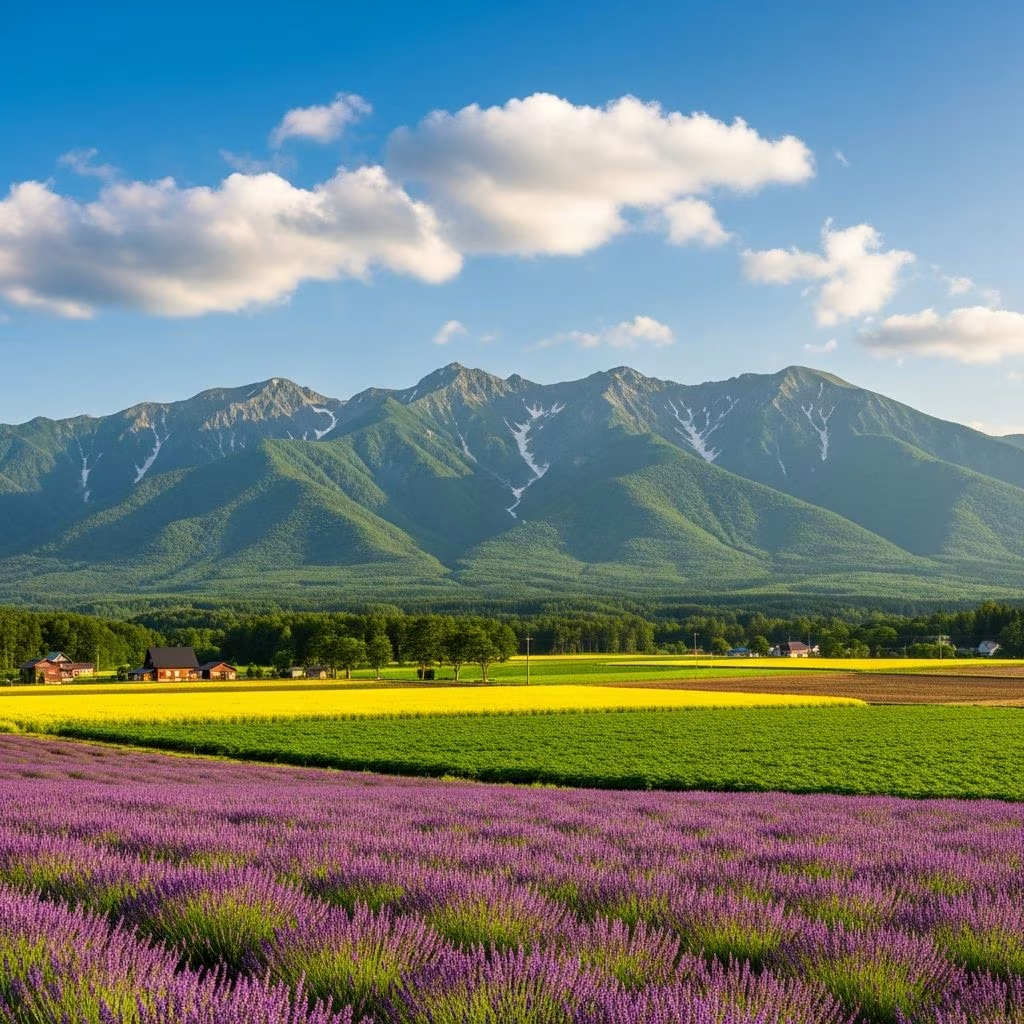
While internationally renowned for winter sports, Furano’s summer transformation rivals its cold-season appeal. The region bursts with color as temperatures rise and various flowers bloom across the landscape. The transition from snowy white winters to emerald-green fields and candy-colored flower meadows represents one of nature’s most dramatic seasonal shifts.
The most celebrated attraction during warm months is the extensive lavender field displays. Farm Tomita stands as the most famous agricultural destination, where from late June through early August, vast hillsides glow purple with blooming lavender plants. The farm attracts visitors seeking both horticultural beauty and the distinctive aromatic experience that lavender cultivation provides. Beyond photography opportunities, the site offers entry at no cost, though visitors frequently purchase lavender-based products including toiletries, sachets, perfumes, and incense at on-site shops.
The agricultural landscape showcases additional seasonal flowers beyond lavender. Depending on timing, visitors encounter poppies, marigolds, salvia, and snapdragons planted in colorful rows throughout the farming region. These cultivated displays combine with native wildflowers to create an intensely photogenic environment that appeals to both casual tourists and serious photographers.
Hokkaido’s designation as Japan’s dairy central means Furano residents and visitors have access to exceptional milk, butter, cheese, and yogurt products. The region’s cool climate and mountain pastures provide ideal conditions for dairy farming, resulting in creamy products that represent some of Japan’s finest. The Furano Cheese Factory serves as the primary destination for experiencing and purchasing these delicacies.
Beyond simple tasting, the facility offers interactive workshops where visitors can create their own dairy products through hands-on instruction. For approximately 40 minutes and a modest fee, participants learn traditional cheese-making or butter production techniques from experienced staff. The factory’s on-site dining includes options featuring various dairy preparations, from artisanal cheeses to fresh ice cream, with lavender soft-serve representing a signature local specialty combining two regional attractions.
The broader culinary landscape benefits from Hokkaido’s abundant natural resources. Fresh seafood including scallops, hairy crab, and oysters supplements the agricultural bounty. This combination of locally-sourced ingredients enables restaurants throughout Furano and neighboring Biei to offer distinctive regional cuisine reflecting seasonal availability and traditional Japanese preparation methods.
Multiple train routes connect Furano to Hokkaido’s primary transportation hub. From Sapporo, travelers board a limited express train toward either Takikawa or Asahikawa, requiring approximately 50 minutes. Following the initial leg, transferring to a Nemuro Main Line train to Furano Station requires an additional hour and ten minutes, bringing total travel time to approximately two to two and a half hours depending on connection timing.
The Hokkaido Chuo bus service provides a direct alternative from Sapporo to Furano, covering the distance in approximately two and a half hours without requiring transfers. This option appeals to travelers preferring single-vehicle journeys despite slightly longer overall duration.
For maximum flexibility in exploring Furano’s dispersed attractions, rental automobiles provide optimal transportation. Driving from Sapporo requires roughly two and a half hours via the Hokkaido Expressway and Route 237. Visitors based in Asahikawa reduce driving time to approximately one hour. The relatively close proximity to Sapporo—just under three hours—allows for practical day trips or extended regional exploration.
Within Furano itself, transportation options vary by season and individual preferences. The gentle rural road network features wide lanes with minimal traffic, extending toward distant horizons and creating pleasant driving conditions. Sightseeing and day trip buses, including the specialized Lavender Bus, connect major attractions for visitors without personal vehicles.
Cycling represents an underrated but highly rewarding exploration method. The countryside roads accommodate bicycles safely, and visitors can transition from downtown Furano to surrounding pastureland within minutes of starting their journey. Multiple bicycle rental facilities operate adjacent to Furano Station, providing equipment and guidance for independent exploration.
| Season | Best Months | Primary Attractions | Weather |
|---|---|---|---|
| Winter | December-March | Skiing, snowboarding, snow activities | -10 to -20°C, dry powder snow |
| Summer | June-August | Lavender fields, flower viewing, cycling | Warm, comfortable, occasional rain |
| Spring | April-May | Flower emergence, melting landscapes | Variable, transitional conditions |
| Autumn | September-November | Fall foliage, hiking, harvest season | Cool, clear days, early frosts |
July stands out as the premier month for lavender field viewing, with peak bloom creating the most dramatic floral displays. Visitors planning to experience Farm Tomita or other flower fields during this period should arrive early to navigate parking challenges and avoid peak-hour crowds.
For winter sports enthusiasts, the ski season spans December through March, with January and February typically offering the most consistent snow conditions and lowest temperatures. Summer months provide ideal conditions for hiking, cycling, and agritourism experiences, though occasional rainfall requires flexible planning.
Furano maintains safety standards consistent with the broader Japanese travel experience. Crime rates remain exceedingly low, and the region welcomes international visitors without significant security concerns. However, winter weather presents legitimate hazards unrelated to urban crime. Challenging snow and icy conditions occasionally produce accidents, particularly among drivers unfamiliar with snow-country road management.
Winter travelers should utilize snow tires on rental vehicles and monitor road conditions before departing. Summer visitors planning lavender field visits in peak July and August should arrive early to secure convenient parking. Tourist information centers located near Furano Station provide detailed guidance on current conditions, route planning, and seasonal recommendations.
Furano’s particular appeal stems from its resistance to homogenizing global travel trends. Unlike many Japanese destinations that have adopted international commercialization, Furano maintains distinctly authentic character. The region has not been “swallowed up by generic travel trends,” preserving traditional agricultural practices, local business ownership, and cultural practices.
When compared to internationally famous Niseko, Furano offers equivalent powder snow quality and skiing infrastructure while maintaining smaller crowds and more relaxed atmospheres. This positioning makes Furano particularly attractive to travelers seeking genuine Japanese experiences rather than internationalized resort environments. The combination of skiing, flower viewing, agricultural tourism, and culinary experiences creates a comprehensive destination appealing to diverse visitor preferences.
Furano frequently features alongside nearby Biei in travel planning, as the two towns form one of Hokkaido’s most scenic regions for agritourism and outdoor activities. The proximity enables visitors to base themselves in one location while exploring both areas. This regional clustering allows for comprehensive experiences encompassing multiple landscape types, agricultural perspectives, and culinary traditions.
Additional attractions near Furano include Shirogane Blue Pond, which derives its surreal coloration from naturally occurring colloidal aluminum hydroxide. The Patchwork no Michi scenic area showcases characteristic patchwork-like field patterns reflecting traditional agricultural divisions. Shikisai no-oka provides another hillside flower garden featuring lavender, lupin, tulips, and seasonal displays, offering alternatives to Farm Tomita for flower viewing experiences.
The answer depends on your primary interests. July offers peak lavender blooms and warm weather suitable for cycling and outdoor exploration. Winter months provide world-class skiing with exceptional powder snow. Each season presents distinct attractions, though July and January-February draw the largest visitor numbers.
Yes, the approximately three-hour distance between locations makes a combined visit feasible. However, each destination merits multiple days for full exploration. Furano appeals to travelers seeking quieter, more authentic experiences, while Niseko attracts those preferring more developed resort infrastructure.
While public transportation and bicycles enable exploration, rental cars maximize flexibility for visiting multiple attractions, particularly flower fields and mountain viewpoints. During peak seasons, early arrival at popular sites becomes more manageable with personal vehicles.
The “Powder Belt” positioning creates ideal meteorological conditions featuring low humidity and specific temperature ranges that produce exceptionally light, dry snow preferred by powder enthusiasts. This natural advantage, combined with excellent resort infrastructure, creates distinctive skiing conditions.
