

 Travel Essentials
 Travel Essentials

Uncover the magic of Fushimi Inari Taisha: from vermilion torii tunnels to mountain hikes, etiquette tips, best times to visit, and hidden gems for an unforgettable Kyoto adventure.
 Travel Essentials
Perched at the foot of sacred Mount Inari in southern Kyoto, Fushimi Inari Taisha stands as one of Japan’s most captivating Shinto shrines. Renowned worldwide for its mesmerizing pathways lined with thousands of vibrant vermilion torii gates, this site draws millions of pilgrims, hikers, and photographers annually. Dedicated to Inari, the deity of rice, agriculture, prosperity, and foxes, the shrine complex spans dense forests and winding trails, offering a profound blend of natural beauty, spiritual depth, and cultural heritage. Whether you’re seeking serene reflection, an invigorating hike, or Instagram-worthy vistas, Fushimi Inari delivers an unforgettable immersion into Japan’s Shinto traditions.
Fushimi Inari Taisha traces its origins to 711 CE, when the priest Kaemon established a small shrine on Mount Inari’s slopes to honor the kami Inari. The current grand structures emerged during the Edo period, evolving into a major pilgrimage site with over 30,000 affiliated sub-shrines across Japan. Mount Inari, rising 233 meters, forms the shrine’s sacred backbone, its wooded expanse symbolizing the connection between earth and divinity.
Inari’s messengers, the kitsune (foxes), are omnipresent in stone statues and motifs, guarding the grounds and ferrying prayers heavenward. Visitors often spot foxes with keys in their mouths, representing access to Inari’s granaries of abundance. The shrine’s main halls and gates, designated as Important Cultural Properties, underscore its national treasure status. This living monument continues to thrive, blending ancient rituals with modern devotion from businesspeople seeking prosperity to tourists chasing photogenic moments.
Reaching Fushimi Inari is straightforward, enhancing its appeal for day-trippers. The JR Nara Line’s Inari Station drops you directly at the main entrance—a mere five-minute ride from Kyoto Station (unlimited with a JR Pass). For a closer approach, the Keihan Main Line’s Fushimi Inari Station is a seven-minute walk away, ideal for those staying in eastern Kyoto. Buses from central Kyoto also connect reliably, though trains remain the fastest option amid the city’s efficient transit network.
Upon arrival, the imposing Romon Gate—erected in 1589 by warlord Toyotomi Hideyoshi—welcomes you as Japan’s largest of its kind. Bow respectfully before passing through the sides, reserving the center for kami. Beyond lies the haiden (prayer hall) and honden (main hall), flanked by stone basins for temizu purification: rinse hands, mouth, then handle the ladle properly to cleanse body and spirit.
At the offering box, ring the bell, toss coins (5-50 yen suffices), bow twice, clap twice, and bow once more—the nirei nihakushu ichirei sequence invoking Inari’s blessings. Observe locals for cues if crowds overwhelm; signage aids newcomers. Fox statues nearby invite prayers for success, with red bibs signaling fulfilled wishes.
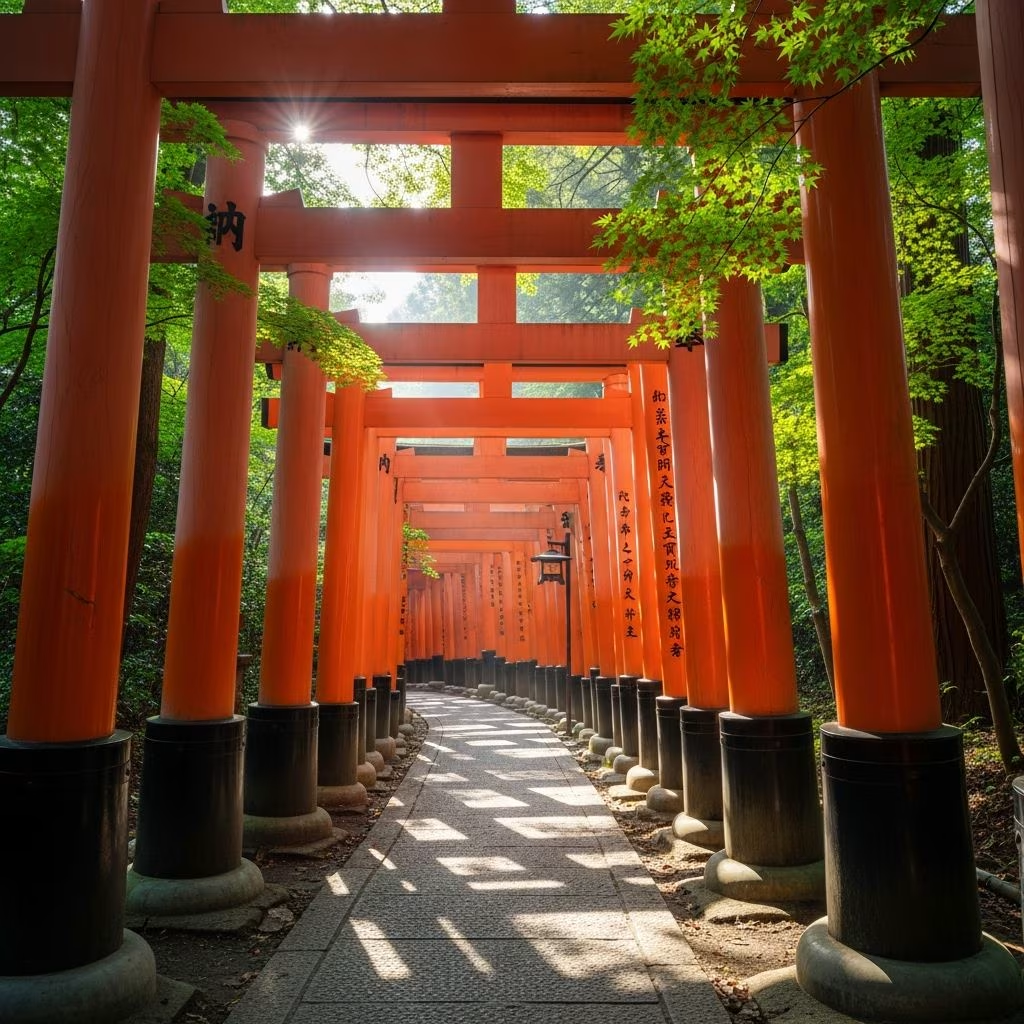
The true allure unfolds behind the main grounds: Senbon Torii (Thousand Gates), dense parallel rows of donated gates forming ethereal tunnels. Sponsored by merchants and individuals, each bears donor names and dates, a testament to gratitude and vows. These lead into a 4-kilometer network of trails crisscrossing Mount Inari, culminating at the summit after 1.5-3 hours of ascent.
Key trail highlights include:
Descend via alternate routes past tea stalls offering inari zushi (sweet fried tofu over rice) and kitsune udon, nods to fox favorites. Wear sturdy shoes for 500+ steps; the loop suits moderate fitness levels.
Fushimi Inari’s popularity means 9 AM-6 PM surges with tour groups. Opt for dawn (before 9 AM) for golden light and solitude, or dusk for lantern-lit magic and fewer visitors. Weekdays eclipse weekends; New Year (hatsumode) and Setsubun draw massive throngs, while autumn foliage (November) or winter snow amplify beauty but crowds.
| Time Slot | Crowd Level | Highlights |
|---|---|---|
| Early Morning (6-9 AM) | Low | Sunrise glow, quiet rituals |
| Midday (9 AM-4 PM) | High | Vibrant energy, full trails |
| Evening (After 6 PM) | Low | Lantern ambiance, fewer photos |
| Seasons: Spring/Fall | Medium-High | Cherry blossoms/maples |
Beyond the torii frenzy, Fushimi Inari harbors secrets. Venture left from Yotsutsuji to bamboo-shaded trails and forgotten okusha (inner shrines) with towering ema plaques. The ‘Heavy/Light Stone’ challenges visitors to test strength at a roadside altar. Fox lore permeates: seek statues with wish-granting poses or arrow-shooting foxes for protection. For offbeat hikes, afternoon tours access forested summits, entering main trails triumphantly from above.
Free admission 24/7, though trails close around 4:30 PM in winter. Pack water, snacks, and rain gear; facilities cluster at base and Yotsutsuji. Photographers: wide-angle lenses capture tunnels; tripods often restricted. Eco-mindful: no littering, stay on paths to preserve the forest.
Solo explorers thrive, but tours unlock depths. Early morning walks (7 AM) beat crowds with history bites; evening lantern hikes evoke mysticism; hidden trail adventures reveal bamboo and secrets. Local guides share fox myths and donor tales, enriching the spiritual narrative.
Absolutely—post-6 PM, torii glow under lanterns in hushed peace, minus daytime bustle.
2-3 hours round-trip covering 4 km, with steep sections but rewarding views.
Yes, try inari sushi at hillside stalls; picnicking permitted off-trails.
Casual comfortable attire; cover shoulders/knees for respect, sturdy shoes essential.
Signage is multilingual; apps like Google Maps or shrine maps aid navigation.
Honor Shinto customs: no eating/walking, silence in halls, no touching gates. Support by buying ema vows, minimizing single-use plastics. Fushimi Inari’s allure endures through mindful visitors safeguarding its sanctity.
This shrine transcends tourism—a portal to Japan’s soul where vermilion arches whisper prosperity amid ancient woods. Plan your ascent; let Inari’s foxes guide your path.
