

 Travel Essentials
 Travel Essentials

Explore Fushimi's sake heritage, scenic boat rides, historic sites, and natural springs in this comprehensive guide to Kyoto's southern treasure.
 Travel Essentials
Fushimi, nestled in southern Kyoto, stands as a testament to Japan’s enduring blend of natural bounty and human ingenuity. Once a vital river port connecting Kyoto to Osaka, this district thrived on its pristine underground springs and strategic waterways. Today, it offers travelers a quieter alternative to Kyoto’s busier northern sites, with sake production at its core, scenic cruises, and layers of history waiting to be explored.
Fushimi’s story begins with its exceptional water sources. Flowing from underground springs into the Yodo River system, this soft, mineral-rich water has been the lifeblood of the area for centuries. It powered early trade, nourished rice fields, and became the secret behind some of Japan’s finest sake. Positioned as Kyoto’s southern gateway, Fushimi facilitated the transport of goods like rice and sake to Osaka, Japan’s commercial powerhouse, fostering wealth and cultural depth.
These waters not only shaped the economy but also inspired spiritual reverence. Local shrines honor the springs believed to grant health and longevity, drawing pilgrims and visitors alike. The district’s layout, with canals weaving through neighborhoods, reflects this aquatic heritage, creating a picturesque setting that feels worlds away from Kyoto’s urban core.
No visit to Fushimi is complete without immersing in its renowned sake district. Home to more than 20 active breweries, this compact area rivals Kobe’s Nada as one of Japan’s premier production hubs. The unique water quality yields smooth, elegant sake styles prized in Kyoto’s refined palate.
Visitors can stroll between traditional wooden brewery buildings along tree-lined paths. Many offer tastings, guided tours, and shops where you learn about the brewing process—from rice selection to fermentation influenced by local water and climate. Autumn through early spring marks peak season, with winter bringing active brewing and seasonal releases.
The sake village’s walkability makes it ideal for self-guided exploration, though guided tours enhance understanding with expert insights.
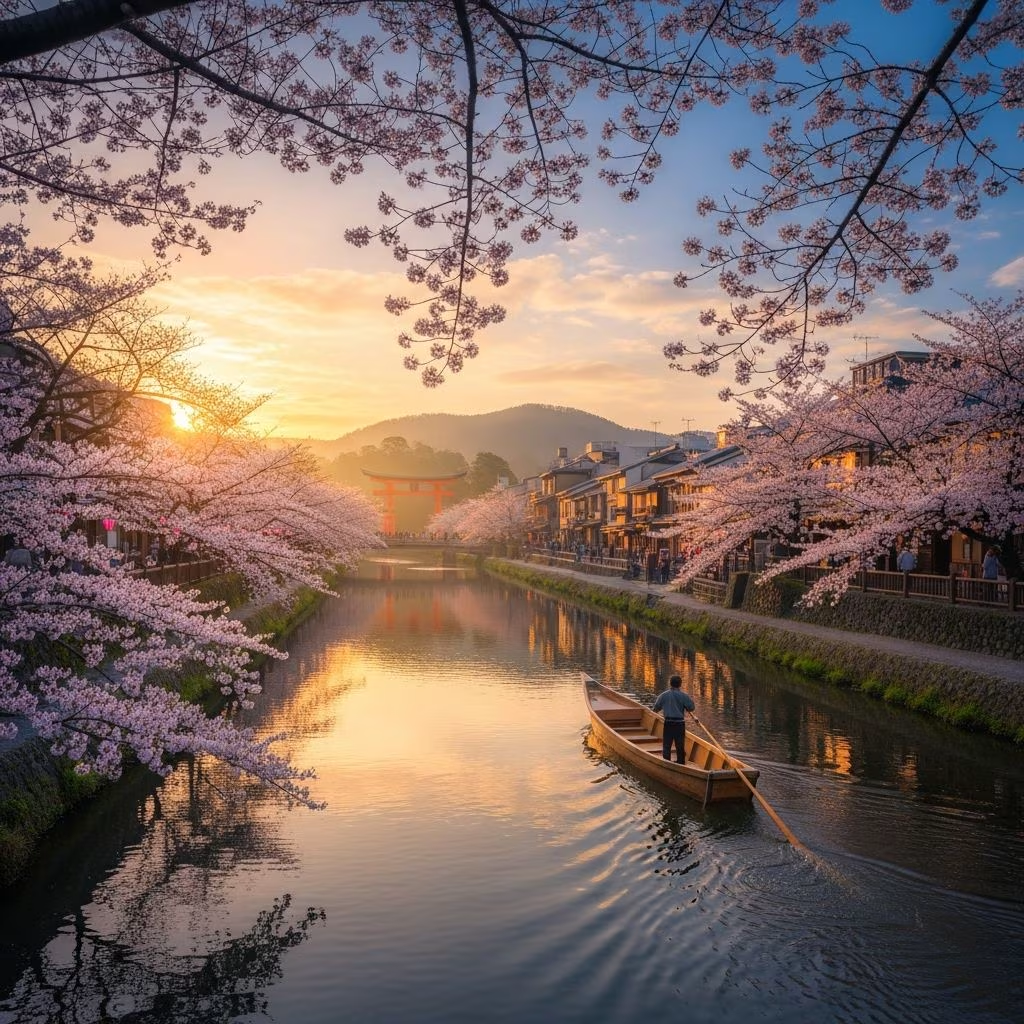
For a serene perspective on Fushimi’s past, embark on a jikkobune canal cruise. These flat-bottomed boats, reminiscent of Edo-period vessels that hauled sake and rice downstream, now provide 40-50 minute sightseeing trips along willow- and cherry tree-lined waterways.
Departing from docks near breweries and historic inns, the rides glide to the Uji River junction, passing under bridges and through green tunnels. Spring cherry blossoms transform the route into a pink paradise, while autumn foliage adds fiery hues. A mid-cruise stop at a small museum showcases dioramas of Fushimi’s trading heyday, even if displays are Japanese-only.
| Season | Highlight | Best Time |
|---|---|---|
| Spring | Cherry blossoms | March-April |
| Summer | Lush greenery | May-August |
| Autumn | Colorful leaves | October-November |
| Winter | Quiet reflection | December-February |
These cruises offer historical context, revealing how waterways dictated Fushimi’s layout and prosperity.
Beyond commerce, Fushimi harbors profound spiritual landmarks. Gokonomiya Shrine stands out, guardian of a sacred spring tied to sake production and health blessings. Visitors fill bottles from the pure waters, especially during the October Flower Umbrella Festival.
In the Momoyama area, Fushimi Castle ruins evoke Toyotomi Hideyoshi’s 16th-century ambitions. Though the reconstructed structure isn’t enterable, the grounds convey strategic importance. Nearby, Emperor Meiji’s mausoleum, accessed via a forested stone staircase, honors the leader who modernized Japan—a site of national reverence.
Other temples like Choken-ji, with its red walls and ancient gingko trees, add to the spiritual tapestry, often positioned at canal edges for seamless integration with nature.
Fushimi’s role in Japan’s modernization shines at sites like Teradaya Inn, scene of dramatic samurai clashes during the 19th-century push for imperial restoration. These events paved the way for the Meiji era, blending Fushimi into national history.
Explore Otetsuji Shopping Street for a taste of daily life amid historic architecture. Here, locals and tourists mingle over meals, blending preservation with vibrancy.
Reach Fushimi via Keihan Line from central Kyoto, alighting at stations like Chushojima or Fushimi Inari (avoid JR Pass for Keihan). Allocate half a day for essentials—brewery hopping, a cruise, and shrines—or a full day with meals and deeper dives.
Combine with Fushimi Inari Taisha’s torii gates, but venture south for quieter gems. Early mornings beat crowds; pair with Osaka trips given proximity.
Fushimi’s cuisine revolves around sake pairings: fresh seafood, river fish, and Kyoto staples like yudofu. Brewery restaurants serve exclusive brews with seasonal dishes, enhancing the cultural experience.
While day-trippable, ryokans near canals offer immersive stays. Budget half-day for core sites, full day for leisure.
Take the Keihan Line from Sanjo or Kyoto Kawaramachi Stations to Fushimi Inari or Chushojima (10-20 minutes, ~¥210).
Absolutely—sake district, canals, and history provide a distinct, crowd-free experience.
Spring for sakura or autumn for foliage; available year-round except harsh winter.
Yes, many welcome walk-ins for tastings and shops.
Half-day minimum; full day ideal for relaxation.
