


 Food & Culture
Food & Culture
Galicia’s Celtic Heritage: History, Culture, and Travel Guide
Explore Galicia's unique fusion of Celtic heritage and Spanish culture, featuring ancient castros, gaita music, mystical folklore, and scenic rias in northwest Spain.
 Food & Culture
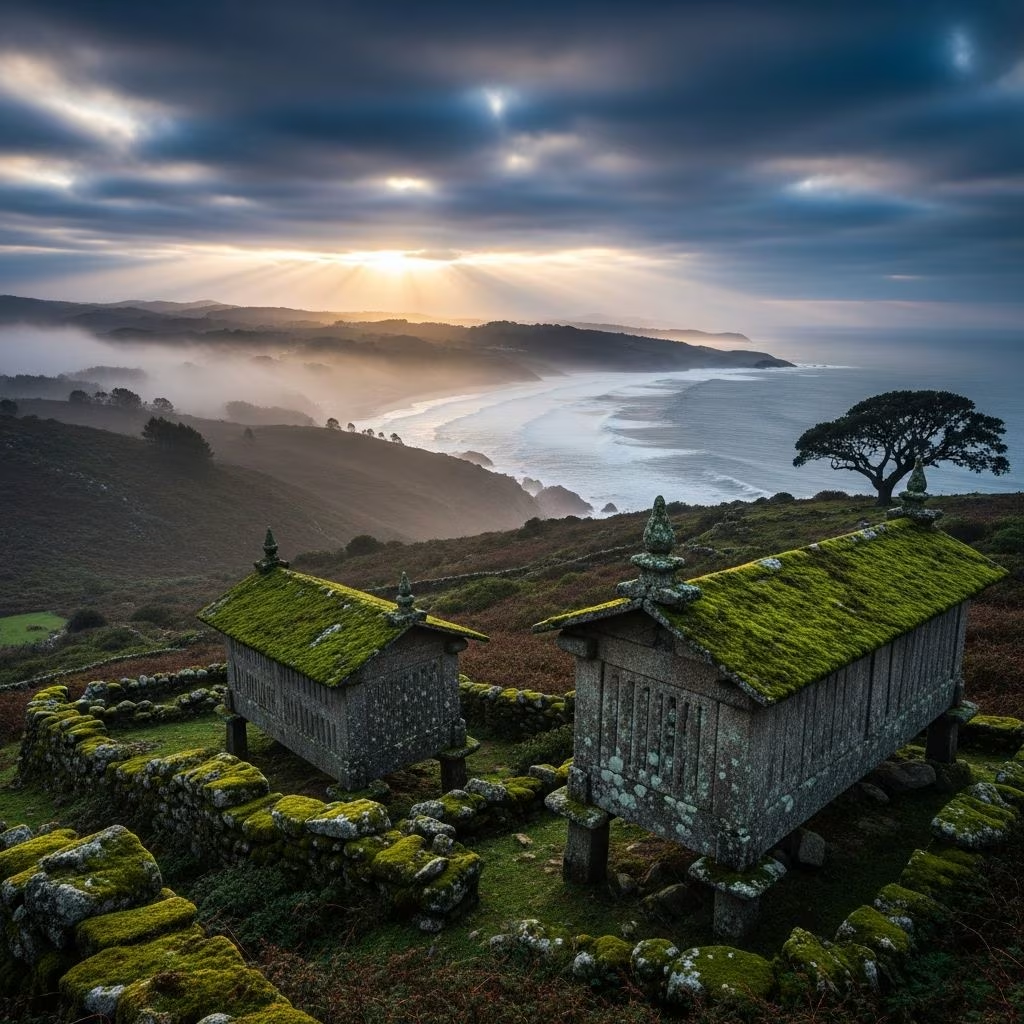
Galicia, tucked in Spain’s northwest corner, defies typical Spanish stereotypes. Instead of sun-baked plains and flamenco, it offers rugged coastlines, emerald forests, and a deep Celtic soul that links it to Ireland, Scotland, and beyond. This region, home to the Gallaeci tribe over two millennia ago, preserves ancient traditions amid modern life.
Ancient Origins: From Megaliths to Celtic Settlements
The story of Galicia begins deep in prehistory. Human presence dates back 500,000 years, with Neanderthals and early modern humans leaving traces. Around 4500 BC, a megalithic culture emerged, building dolmens and stone tombs that reflect a profound reverence for the dead as spiritual intermediaries.
By 1500 BC, the Bronze Age arrived, transitioning into the Celtic era. The Gallaeci, a confederation of Celtic tribes, settled north of the Douro River, establishing hilltop villages known as castros. These fortified settlements, with circular stone houses and strategic views, showcase Celtic engineering and communal living. Excavations reveal tools, jewelry, and weapons, painting a picture of warrior-farmers attuned to their harsh, rainy landscape.
- Castro de Borneiro: A well-preserved site with concentric dwellings, offering insights into daily Celtic life.
- Castro de Baroña: Perched by the sea, highlighting defensive coastal strategies.
- Megalithic Routes: Trails linking over 2,000 dolmens across Galicia and northern Portugal.
Roman conquest in the 1st-2nd centuries AD integrated Galicia into the empire, but Celtic identity endured through language, customs, and resistance.
Natural Splendor: Rías, Forests, and Misty Mountains
Galicia’s **landscape** mirrors its Celtic essence—wild, green, and spiritually charged. The rias, drowned river valleys forming intricate estuaries, create a dramatic coastline dotted with beaches and cliffs. Inland, the region’s 70% forest cover includes ancient oak woods and eucalyptus groves, fueling a strong connection to nature akin to other Celtic lands.
| Feature | Description | Best For |
|---|---|---|
| Rías Baixas | Sunny inlets with vineyards and seafood | Beach relaxation, wine tasting |
| Rías Altas | Rugged, wind-swept shores | Hiking, surfing |
| Sierra do Courel | Misty mountains and chestnut forests | Nature walks, birdwatching |
This verdant terrain, lashed by Atlantic winds, fosters a mystical aura, where ancient Celts saw spirits in every glen.
Musical Echoes: The Gaita and Festive Rhythms
At Galicia’s cultural core beats the **gaita**, the Galician bagpipe. Unlike Scottish or Irish variants, the gaita features a wooden chanter and drone, producing haunting melodies that fill festivals and romerías (pilgrimages). Its tones resonate with Celtic kin across Europe, evidence of shared roots from Iron Age migrations.
Key events amplify this heritage:
- Festival Intercéltico de Ortigueira: World’s premier Celtic music gathering, drawing global artists since 1978.
- Festas do Monte in Cabana: Hilltop bagpipe marathons with communal dances.
- Romería Vikinga de Catoira: Themed Viking invasions with music and mock battles, nodding to Norse-Celtic ties.
Local gaita schools ensure the tradition thrives, blending with tambourines and hurdy-gurdies for vibrant soundscapes.
Folklore and Mysticism: Legends of the Wild
Galicia’s **folklore** brims with Celtic mysticism. Meigas (witches) gather at places like San Antón in Laxe for rituals under the full moon. The Santa Compaña, a procession of souls led by a living guide, warns of death—an echo of Irish banshees. Forests hide trasnos (goblins) and Moura Encantada (enchanted maidens guarding treasures).
These tales, orally transmitted for centuries, underscore a pagan undercurrent persisting despite Christian overlay. Archaeological finds, like 3rd-century BC statues of kings in tartan-like kilts, affirm early textile and ritual practices paralleling those in Scotland.
Culinary Traditions: Hearty Celtic Fare
Galicia’s cuisine reflects its Celtic agrarian past: robust, seafood-centric dishes using local bounty. Pork, a staple since Celtic times, stars in lacón con grelos (cured ham with turnip greens) and filloa (stuffed crepes). Seafood caldeiradas (stews) and razor clams from rías embody Atlantic freshness.
Signature Dishes:
- Pulpo a la gallega: Octopus boiled, sliced, and drizzled with paprika oil.
- Empanada: Savory pie with tuna, cod, or meats.
- Queimada: Flaming herbal liquor ritual for warding off evil spirits.
Chestnuts and wines from Albariño grapes round out meals tied to seasonal harvests.
Pilgrimage Paths: Sacred Trails of Old and New
The Camino de Santiago culminates in **Santiago de Compostela**, Galicia’s baroque jewel and UNESCO site. While Christian, its roots trace to pre-Christian treks to Finisterre, the ‘world’s end,’ for solar rituals. Celtic castros dot the routes, merging pagan and holy layers.
Other paths include:
- Camino Primitivo: Oldest, rugged route through mountains.
- Camino Portugués: Coastal variant via rías.
Modern Galicia: Preserving the Legacy
Today, Galicia balances tourism, industry, and identity. Galego language, akin to Portuguese, revives in schools. EU funds aid castro restorations, while festivals boost economy. Challenges like emigration persist, but Celtic pride unites communities.
Practical Tips for Visitors
- Best Time: Summer for festivals; spring/fall for hikes.
- Getting There: Fly to Santiago, A Coruña, or Vigo; trains/buses connect.
- Stay: Pazo manor houses or coastal paradors.
- Must-Sees: Castros, gaita concerts, rías boat tours.
Frequently Asked Questions (FAQs)
Is Galicia really Celtic?
Yes, as the seventh Celtic nation alongside Ireland, Scotland, Wales, Cornwall, Isle of Man, and Brittany. Evidence includes castros, gaita, and folklore.
What’s unique about Galician music?
The gaita bagpipe dominates, with festivals like Ortigueira showcasing global Celtic ties.
Can I hike ancient sites?
Absolutely—castro networks and megalith routes offer guided and self-led treks.
How does food differ from rest of Spain?
More seafood, stews, and pork; less tapas, more hearty portions.
Is Galego hard to learn?
Similar to Portuguese; basic phrases enhance immersion.
References
- Galicia | Celtic Cultural Minute — WDIY. 2023-06-24. https://www.wdiy.org/show/celtic-cultural-minute/2023-06-24/galicia-celtic-cultural-minute
- Exploring the Celtic Heritage of Galicia: Culture and Roots Unveiled — CaminoWays. N/A. https://caminoways.com/exploring-the-celtic-heritage-of-galicia-culture-and-roots-unveiled
- History of Galicia — Wikipedia (sourced from primary historical records). N/A. https://en.wikipedia.org/wiki/History_of_Galicia
On This Page
Ancient Origins: From Megaliths to Celtic Settlements Natural Splendor: Rías, Forests, and Misty Mountains Musical Echoes: The Gaita and Festive Rhythms Folklore and Mysticism: Legends of the Wild Culinary Traditions: Hearty Celtic Fare Pilgrimage Paths: Sacred Trails of Old and New Modern Galicia: Preserving the Legacy Practical Tips for Visitors Frequently Asked Questions (FAQs)← Previous
Best Places to Visit in May for Culture, Festivals & History
Next →
Best Places to Visit in May for Budget Travel
Related Reading
More in Food & Culture
Food & Culture Food & Culture
 Food & Culture
Best Places to Eat in Rome: Neighborhood Dining Guide
 Food & Culture
 Food & Culture