

 Travel Essentials
 Travel Essentials

Gansevoort Peninsula offers New Yorkers a unique 5.5-acre beach destination featuring sand, scenic vistas, and recreational amenities along the Hudson River.
 Travel Essentials
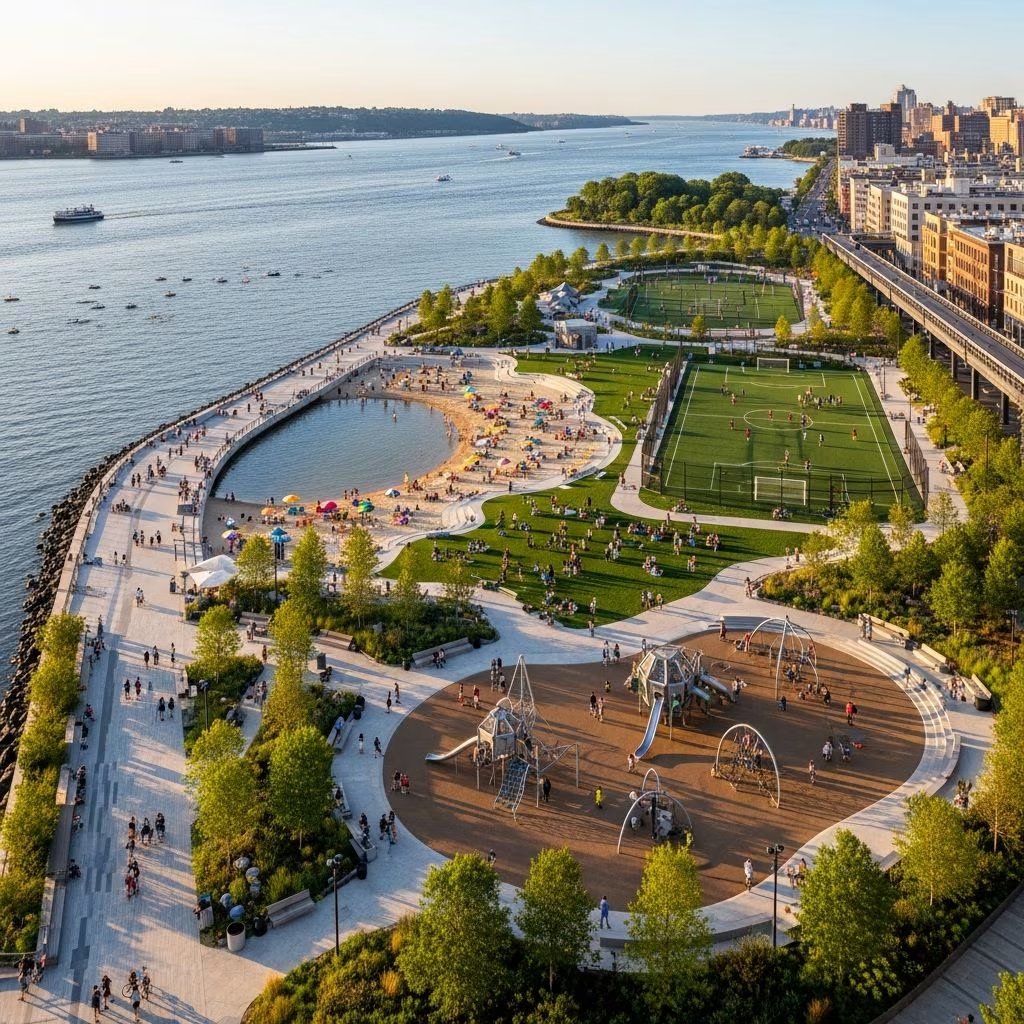
For decades, New Yorkers seeking a genuine beach experience had to venture beyond Manhattan’s borders, traveling to distant reaches of Brooklyn or Queens. That changed in late 2023 when the city unveiled an unexpected urban sanctuary: Gansevoort Peninsula, Manhattan’s first-ever public beach nestled along the Hudson River. This remarkable 5.5-acre development represents a significant transformation of the waterfront landscape, providing residents and visitors with a unique recreational destination that combines natural elements with urban accessibility.
The opening of Gansevoort Peninsula marked a watershed moment for urban beach accessibility in New York City. Unlike the numerous sandy shores that dot Brooklyn and Queens, this beachfront sits directly within Manhattan proper, eliminating the need for lengthy commutes or transit transfers. The $73 million investment by the city represents a significant commitment to expanding recreational opportunities in one of the world’s densest urban environments.
What makes this development particularly noteworthy is its construction methodology. Rather than being built on a traditional pier structure like many other Hudson River Park locations, Gansevoort Peninsula was constructed on solid ground that includes reclaimed landfill material. This engineering approach provides the park with greater spatial capacity and structural stability, allowing designers to incorporate features that would be impractical on conventional pier-based construction.
Upon arrival at Gansevoort Peninsula, visitors immediately encounter the distinctive sandy beach that serves as the attraction’s centerpiece. The beach features 1,200 tons of sand, creating an authentic coastal atmosphere despite the urban setting. The designers furnished the space with thoughtfully selected amenities that enhance the lounging experience without compromising the beach’s natural character.
The misting features deserve particular mention, as they serve a dual purpose—providing cooling relief during hot summer days while simultaneously helping visitors rinse sand from their clothing and skin. This practical addition demonstrates how the designers considered the complete user experience.
While the beach represents the most visible attraction, Gansevoort Peninsula encompasses a diverse array of recreational facilities designed to appeal to various user groups and preferences. The 5.5-acre footprint accommodates these different functions without creating a cramped or cluttered atmosphere.
| Facility Type | Description | Intended Users |
|---|---|---|
| Turf Athletic Field | Large sports field suitable for various recreational activities | Athletes and sports enthusiasts |
| Dog Park | Designated areas for large and small dogs with training zones | Pet owners and their companions |
| Kayak Launch Area | Access point for non-motorized watercraft on Hudson River | Water sports enthusiasts |
| Salt Marsh | Natural ecosystem habitat promoting biodiversity | Nature observers and educators |
| Pine Grove Boardwalk | Shaded pathway through planted trees | All visitors seeking respite |
The dog park represents a thoughtful addition to the peninsula’s programming, acknowledging the significant pet-owning population throughout Manhattan. By creating designated spaces for dogs of different sizes, the park encourages responsible pet ownership while allowing four-legged companions to socialize and exercise.
The land upon which Gansevoort Peninsula now stands carries significant historical weight within New York City’s urban fabric. Interestingly, the peninsula sits on what remains of Manhattan’s lost 13th Avenue, a thoroughfare that once extended throughout the neighborhood before urban development transformed the waterfront. Understanding this historical dimension adds layers of meaning to the site, connecting contemporary recreational use with the city’s industrial past.
The peninsula’s location between Gansevoort Street and Little West 12th Street places it within the heart of Manhattan’s trendy Meatpacking District, adjacent to the Whitney Museum of American Art. This positioning creates natural synergies with surrounding cultural institutions and dining establishments, positioning the beach as part of a broader neighborhood ecosystem rather than an isolated recreational facility.
One of the peninsula’s most compelling assets is the panoramic views it offers. From the beach and surrounding areas, visitors enjoy sweeping vistas of the Hudson River, the Manhattan skyline, and the New Jersey shoreline beyond. These expansive sightlines create an sense of escape and openness that contrasts sharply with Manhattan’s typical urban canyon environment.
The peninsula features significant public art installations that enhance the visitor experience. Most notably, Day’s End, a monumental site-specific sculpture by David Hammons, occupies a prominent position on the site. Donated to Hudson River Park by the Whitney Museum, this artwork has become an iconic visual marker for the peninsula and attracts art enthusiasts alongside beach recreationalists.
Gansevoort Peninsula’s location along Manhattan’s west side ensures convenient accessibility for both residents and visitors. The site sits within walking distance of several key transportation nodes, making it readily reachable via public transit. The nearest subway access point is the 14th Street/8th Avenue station, which services the A, C, E, and L train lines.
From major transit hubs like Grand Central Station, the peninsula is approximately 30 minutes away via public transportation, positioning it as an accessible destination even for visitors unfamiliar with the neighborhood. This transit accessibility democratizes beach access, ensuring the facility serves not only neighborhood residents but also tourists and workers throughout the city.
A significant constraint that potential visitors should understand involves water quality and safety regulations. Despite featuring a genuine beach with direct Hudson River access, swimming is strictly prohibited at Gansevoort Peninsula. This limitation reflects practical challenges inherent to Manhattan’s aging infrastructure and the Hudson River’s environmental conditions.
The swimming restriction stems primarily from combined sewer overflow issues affecting the Hudson River. During heavy rainfall events, excess stormwater overwhelms the city’s water treatment systems, forcing emergency releases of untreated sewage into surrounding waterways. This infrastructure challenge, while not unique to the Hudson River, makes recreational swimming inadvisable from a public health perspective.
Rather than viewing this as a deficiency, the park was intentionally designed and marketed as a lounging destination rather than a swimming venue. This design philosophy acknowledges local conditions while still providing genuine recreational and leisure opportunities. The prohibition on motorized watercraft further emphasizes the park’s focus on peaceful water access for kayakers and similar non-powered activities.
Gansevoort Peninsula represents an innovative approach to waterfront recreation within densely populated urban environments. By constructing on solid ground rather than relying exclusively on pier-based infrastructure, designers created a facility with greater versatility and permanence. The integration of diverse recreational activities—from passive recreation to active sports—ensures the space serves multiple constituencies and use cases.
The peninsula’s success demonstrates that urban beaches need not replicate traditional coastal experiences to provide genuine value. Instead, they can be reimagined as multifunctional gathering spaces that prioritize accessibility, sustainability, and integration with surrounding neighborhoods.
Summer months from June through September offer peak beach season with warm weather and extended daylight hours. However, the peninsula remains accessible year-round, with cooler seasons offering a more serene atmosphere and fewer crowds. Weekday visits typically provide a more peaceful experience compared to weekends and holidays when the space attracts larger crowds.
Visitors to Gansevoort Peninsula benefit from its location within a neighborhood rich with cultural and culinary attractions. The adjacent Whitney Museum of American Art offers world-class contemporary art exhibitions. The nearby High Line, Manhattan’s famous elevated linear park, provides another free recreational opportunity with scenic landscaping and public art installations.
Pier 57 Market, located just a short walk away, houses diverse dining establishments, boutique shopping, and entertainment venues. This proximity transforms a beach visit into a broader neighborhood exploration experience.
Yes, it features 1,200 tons of genuine sand imported specifically for the development, creating an authentic beach experience within Manhattan’s urban landscape.
Absolutely. The peninsula includes designated dog parks with separate spaces for large and small dogs, along with training areas for pet owners.
Sunscreen, sunglasses, and a hat provide essential sun protection. Towels are advisable, and comfortable walking shoes work well for navigating the boardwalks.
While food vendors operate at the site, nearby Pier 57 Market and surrounding Meatpacking District restaurants provide extensive dining options within walking distance.
