

 Travel Essentials
 Travel Essentials

Comprehensive guide to New Orleans' Garden District featuring Victorian architecture, shopping, dining, and must-see attractions for visitors.
 Travel Essentials
The Garden District stands as one of New Orleans’ most enchanting neighborhoods, offering visitors a remarkable blend of architectural grandeur, natural beauty, and authentic local culture. This verdant residential area, situated in the Uptown section of New Orleans along the north bank of the Mississippi River, has captivated travelers for generations with its distinctive character and timeless elegance. Whether you’re a history enthusiast, architecture lover, or simply seeking to experience authentic New Orleans culture, the Garden District provides an unforgettable journey through the city’s refined heritage.
The Garden District occupies a clearly defined area within New Orleans’ broader urban landscape. This historic neighborhood is bounded by four major thoroughfares: St. Charles Avenue to the north, Magazine Street to the south, Jackson Avenue to the east, and Louisiana Avenue to the west. Understanding these geographical markers helps visitors navigate the district with confidence and ensures they don’t miss key attractions located within its borders.
It’s important to note a common source of confusion regarding New Orleans geography. While the Garden District sits within the broader Uptown area of New Orleans, it technically constitutes its own distinct neighborhood rather than being synonymous with Uptown itself. The term “uptown” in New Orleans geography refers to the direction upriver from the city center along the north bank of the Mississippi River, distinguishing it from downtown neighborhoods like the famous French Quarter, which lie downriver from the center.
The neighborhood spans a manageable distance that makes exploration on foot entirely feasible, though public transportation options enhance the experience considerably.
The Garden District’s defining characteristic is its remarkable concentration of well-preserved historic residences that showcase the wealth and refined taste of New Orleans’ prominent families from the nineteenth century. These structures represent several distinctive architectural styles that have come to define Southern American design.
Victorian architecture dominates many residential blocks, featuring elaborate details, ornate trim work, and distinctive silhouettes. Greek Revival mansions showcase classical proportions and columned facades that evoke timeless elegance. Italianate estates introduce Old World sophistication through rounded arches, elaborate cornices, and symmetrical designs. This architectural diversity creates visual richness as you stroll through the neighborhood’s tree-lined streets.
Beyond individual homes, the district’s overall aesthetic results from intentional urban planning that emphasized spacious lots, carefully maintained grounds, and abundant vegetation. Many properties feature wrought iron fencing, ornamental gates, and meticulously landscaped gardens that contribute to the neighborhood’s refined atmosphere.
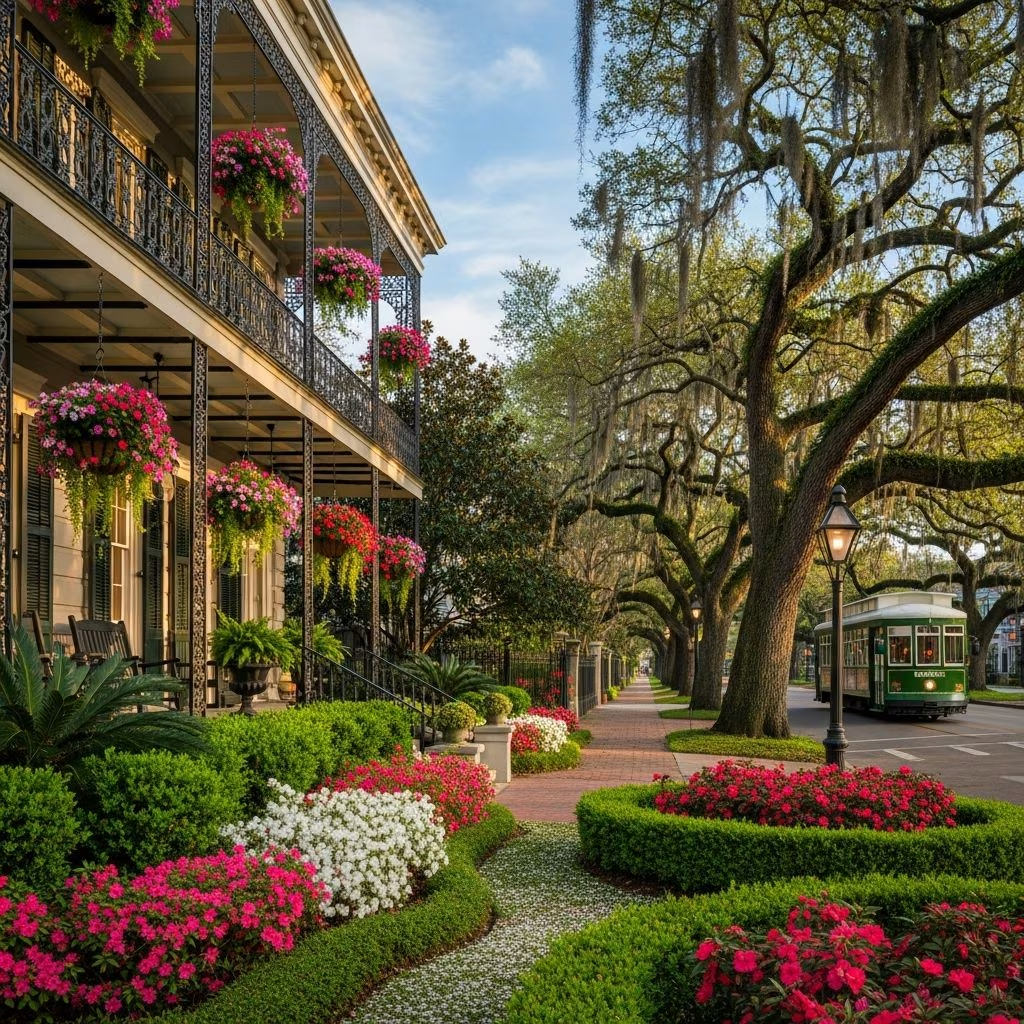
While the district takes its name from its architectural significance, the natural environment plays an equally vital role in creating its distinctive character. Massive live oak trees, some centuries old, line the streets and create canopies of dappled shade throughout the neighborhood. These evergreen giants provide relief from New Orleans’ intense heat and humidity, making leisurely exploration genuinely enjoyable even during warmer months.
The tree-lined avenues earn particular distinction for their aesthetic beauty. Rather than merely flanking the streets, many of these oak trees grow along the “neutral ground”—the local New Orleans term for median areas. This arrangement creates particularly picturesque corridors where shade and vegetation intermingle with the street’s functional elements, producing some of the country’s most visually striking urban thoroughfares.
Beyond street trees, private gardens and landscaped grounds visible from public walkways contribute flowering plants, shrubs, and additional greenery that justify the neighborhood’s botanical nomenclature.
St. Charles Avenue deserves special attention as the neighborhood’s northern boundary and one of New Orleans’ most memorable urban experiences. This grand boulevard showcases continuous vistas of impressive mansions while hosting the historic streetcar line that has serviced the route for well over a century.
The dark green streetcars that trundle along St. Charles Avenue offer an authentic transportation experience unchanged in fundamental character since earlier eras. Many residents and visitors alike choose to ride these iconic vehicles as the preferred method of traversing the neighborhood’s length. The leisurely pace of streetcar travel allows appreciating architectural details and streetscapes that might blur together if viewed from a faster-moving vehicle.
Visitors can also walk or jog along the neutral ground that houses the streetcar tracks, a popular recreational pathway that combines exercise with sightseeing. This multi-purpose median offers a unique New Orleans experience unavailable in most American cities.
Walking represents perhaps the most effective method for experiencing the Garden District’s full character and charm. The neighborhood’s compact size and pedestrian-friendly layout make self-directed exploration entirely accessible for visitors of varying mobility levels and time constraints.
For travelers preferring independent discovery, numerous self-guided walking routes allow flexible pacing and custom itineraries. Many visitors download walking maps or guides before arrival, providing structured pathways without rigid schedules. This approach suits those wanting to linger at particular addresses, photograph architecture, or simply wander according to whim.
A popular self-guided route begins at Molly’s Rise and Shine, a local breakfast destination at 2368 Magazine Street, and extends roughly one mile through the neighborhood’s residential core, typically requiring one to two hours depending on stops and pace.
Professional guided tours provide historical context, architectural expertise, and curated narratives that enrich the visual experience. These tours typically run two hours and are best scheduled for early morning hours to minimize heat exposure. Knowledgeable guides share stories about former residents, construction histories, architectural techniques, and neighborhood evolution that individual exploration cannot replicate.
Magazine Street represents the Garden District’s commercial and cultural heart, extending through the neighborhood as a vibrant six-mile stretch brimming with independent businesses reflecting local character and taste. This thoroughfare offers substantially different experiences than typical tourist shopping districts, featuring locally-owned establishments rather than international chains.
Boutiques lining Magazine Street showcase jewelry, clothing, home décor, and art reflecting regional aesthetics and local artistry. Art galleries display work from contemporary and established artists with New Orleans connections. Specialty bookstores, including the highly regarded Garden District Bookshop located at The Rink shopping center, stock volumes on New Orleans history alongside works by regional authors.
The dining establishments along Magazine Street range from casual breakfast and lunch spots to refined dinner venues, offering authentic local cuisine prepared by neighborhood restaurants that have served the community for decades. This mix of commerce creates an atmosphere of genuine community life rather than manufactured tourism.
The Rink shopping center occupies a converted ice skating facility that has been thoughtfully reimagined as a retail and cultural hub. This distinctive venue houses carefully selected upscale shops, a well-curated bookstore, salon services, and coffee facilities in a charming, intimate setting that avoids the sterile atmosphere of typical shopping centers.
Located just a brief walk from Lafayette Cemetery and the Washington streetcar stop, The Rink provides convenient access to refreshments and shopping opportunities that complement other neighborhood attractions. The venue’s character and tenant selection make it a worthwhile destination in itself rather than merely functional retail space.
Lafayette Cemetery represents a distinctive New Orleans cultural institution reflecting the city’s unique burial practices shaped by environmental and geographical considerations. This above-ground cemetery showcases centuries-old tombs arranged in patterns that create a hauntingly beautiful landscape quite unlike conventional cemeteries found elsewhere.
The cemetery provides insights into New Orleans’ multicultural history, family heritage, and distinctive approaches to death and remembrance. Walking through the grounds offers contemplative quiet amidst the neighborhood’s activity and reveals artistic craftsmanship in tomb designs and inscriptions. The cemetery’s moss-draped vegetation and atmospheric qualities create a memorable experience that transcends typical cemetery visits.
Audubon Park extends the neighborhood’s botanical character while offering recreational facilities and natural attractions. This expansive green space includes the Tree of Life, a massive oak estimated to exceed 600 years in age and providing popular gathering spots for picnics and relaxation. The Fly, an overlook area, presents stunning vistas of the Mississippi River while providing peaceful contemplation spaces.
Beyond these signature features, Audubon Park offers walking and jogging trails, sports facilities, and various outdoor recreation opportunities. This integration of extensive parkland within an urban neighborhood distinguishes the Garden District from many comparable historic areas.
The historic St. Charles Avenue streetcar line provides the most atmospheric method of accessing the neighborhood from the French Quarter and other central locations. From the Quarter, visitors cross Canal Street at Bourbon Street (where street names change directionally) and board the streetcar marked for St. Charles Avenue. The fare costs $1.25 per single ride or $3 for an all-day pass purchasable from the driver with exact cash payment. Alternatively, visitors can download the Le Pass app for digital payment options.
Rideshare services and personal vehicles offer alternative transportation, though navigating neighborhood parking requires familiarity with local traffic patterns and residential permit requirements.
Early morning exploration provides multiple advantages including smaller crowds, lower temperatures, and better lighting conditions for photography. The intense heat and humidity of afternoon hours make extended outdoor exploration physically challenging for many visitors. Spring and fall months offer particularly pleasant weather compared to the sweltering summer season or potentially rainy winter months.
The neighborhood hosts established dining venues serving both casual meals and refined cuisine representing regional specialties and contemporary creativity. Commander’s Palace represents one of the district’s most celebrated establishments, offering upscale Creole cuisine in an elegant setting. Molly’s Rise and Shine provides casual breakfast and coffee service popular with both tourists and local residents beginning their days.
Numerous cafes, sandwich shops, and ethnic restaurants throughout the district offer dining options accommodating various budgets and dietary preferences while providing authentic neighborhood atmosphere rather than tourist-oriented experiences.
A half-day visit allows basic sightseeing including a walking tour, streetcar ride, and shopping. Full-day visits permit deeper exploration of multiple attractions, dining experiences, and unhurried neighborhood wandering.
While the neighborhood features sidewalks and relatively level terrain, the extensive distances involved and summer heat present challenges for some visitors. Streetcar transportation and strategically planned routes can accommodate varying mobility needs.
Most historic homes remain private residences closed to public access. Some special events and tours occasionally offer limited interior viewings, but general access focuses on exterior architectural appreciation.
Combine structured elements like guided tours or streetcar rides with unstructured time for independent wandering. Include dining and shopping experiences to interact with the living neighborhood community beyond architectural sightseeing.
Walking the neighborhood streets costs nothing. Viewing exteriors of historic homes, exploring Lafayette Cemetery, and parks like Audubon Park are free or minimal cost. Only specialized tours, dining, and shopping require expenditure.
The Garden District rewards both carefully planned itineraries and spontaneous exploration. Key attractions cluster reasonably close, allowing flexible routing based on weather, energy levels, and interests. Beginning with a streetcar ride establishes geographical orientation while providing comfort during the hottest hours. Mid-morning independent walking, followed by shopping and lunch, provides balance between structured experiences and personal discovery.
The neighborhood’s genuine character—reflecting actual residential community life rather than manufactured tourism—creates an authentic New Orleans experience that justifies multiple visits and extended exploration.
