

 Travel Essentials
 Travel Essentials

Complete guide covering visa requirements, transportation, best seasons, budget tips and top attractions for first-time travelers to Georgia.
 Travel Essentials
Georgia, a hidden gem nestled between Europe and Asia, has emerged as one of the world’s most compelling travel destinations. The country offers an intoxicating blend of ancient traditions, dramatic landscapes, and modern urban energy that captivates visitors from the moment they arrive. From the snow-capped peaks of the Caucasus Mountains to the subtropical beaches of the Black Sea, Georgia presents travelers with an astonishing diversity of experiences compressed into a relatively compact geography. For first-time visitors, understanding the fundamentals of travel to this remarkable country can transform a good trip into an unforgettable adventure.
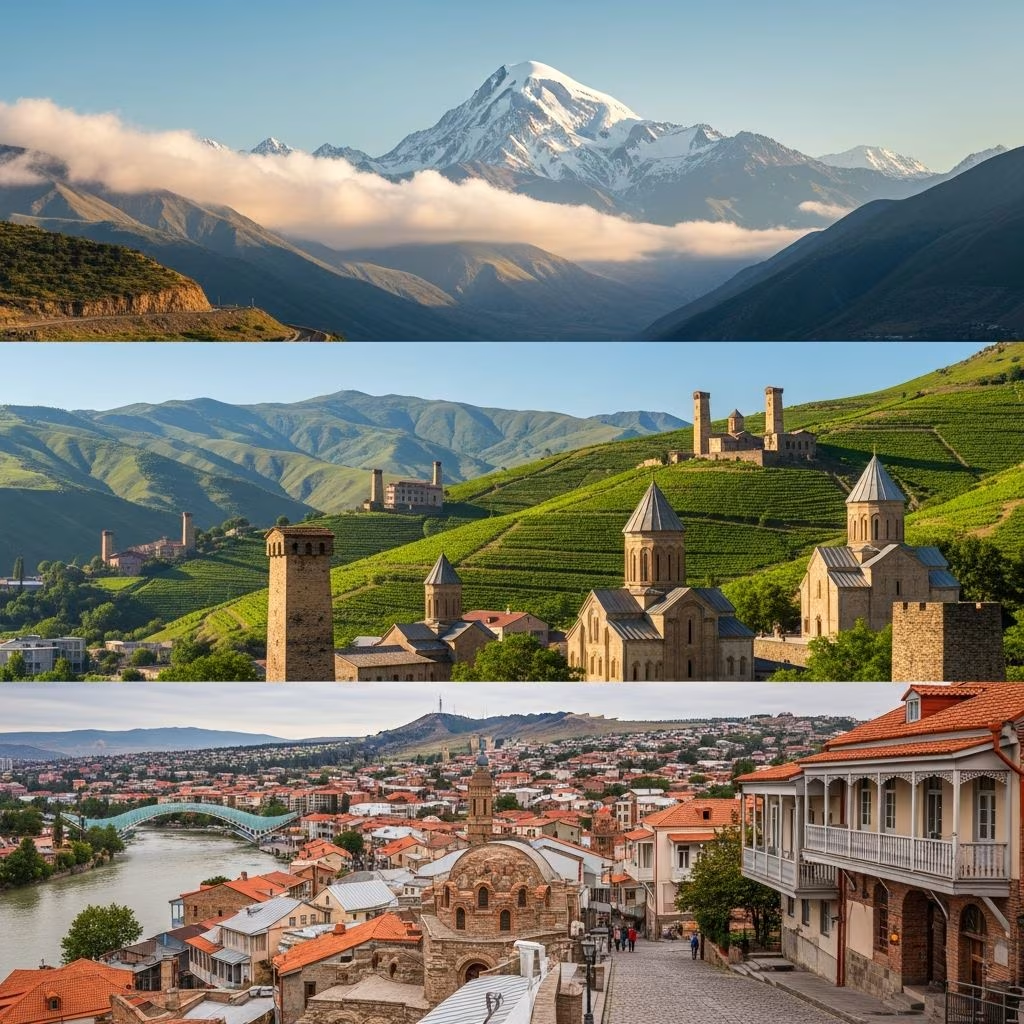
Georgia occupies a strategic position at the crossroads of Eastern Europe and Western Asia, a location that has profoundly shaped its history and culture. The country is characterized by dramatic topographical contrasts that few nations of comparable size can match. The Caucasus Mountains dominate the northern landscape, creating natural borders and providing stunning hiking opportunities. Simultaneously, Georgia’s western border opens onto the Black Sea, offering coastal retreats and beach towns that draw visitors seeking relaxation. Between these extremes lie verdant valleys, ancient fortresses, cave monasteries, and expansive vineyards that collectively create an environment of remarkable natural and cultural richness.
The Georgian people are renowned for their legendary hospitality, an aspect of local culture that profoundly influences the visitor experience. This tradition, known as Georgian hospitality, reflects centuries of cultural development and remains a defining characteristic of interactions between locals and travelers. Understanding and respecting this cultural cornerstone enhances one’s ability to connect authentically with the destination and its inhabitants.
The question of when to visit Georgia depends entirely on your personal interests and travel priorities. Georgia experiences distinct seasonal variations that significantly affect the character of different regions and the overall travel experience.
Summer months (June through August) represent the optimal period for mountain exploration and serious hiking expeditions. During this window, high-altitude trails become accessible, and weather conditions stabilize in the Caucasus region. However, this seasonal advantage comes with trade-offs: lower elevations experience intense heat that can make urban exploration uncomfortable, and major cities like Tbilisi, Kutaisi, and Batumi can become uncomfortably warm.
Shoulder seasons (May and September) offer compelling alternatives for travelers seeking balance between pleasant weather and moderate crowds. These months provide ideal conditions for exploring Georgia’s diverse regions without enduring peak-season tourism pressures or high accommodation rates. Temperatures remain comfortable throughout the country, making this period particularly attractive for visitors who want flexibility in their itineraries.
Winter and spring present unique opportunities for specific activities. Winter conditions make mountain areas inaccessible but create opportunities for cultural tourism concentrated in major cities. The shoulder months of April and October provide transitional periods with variable conditions.
The amount of time you dedicate to Georgia significantly shapes the quality and breadth of your experience. Given that most visitors must travel considerable distances to reach the country, allocating fewer than four nights seems economically inefficient. The absolute minimum viable duration for a meaningful Georgian experience is approximately four to five days, allowing visitors to explore Tbilisi thoroughly and perhaps make a single day excursion to surrounding regions.
However, a full week represents the ideal duration for first-time visitors. This timeframe permits exploration of the capital city, travel through interior regions, and at least two nights in the mountain areas that define Georgia’s character. A week-long itinerary typically follows this structure:
Travelers with extended vacation time may consider 10-14 day itineraries, which permit unhurried exploration of multiple mountain valleys, extended hiking expeditions, and deeper cultural immersion in smaller towns.
Georgia has implemented visa policies favorable to international tourism. Most Western passport holders receive automatic 365-day visa-free entry upon arrival, representing one of the country’s most significant advantages for budget-conscious travelers. This generous policy eliminates the lengthy visa application processes that complicate travel to many other European destinations.
Documentation requirements remain minimal: a valid passport with at least six months validity beyond your intended departure date suffices for most travelers. Verify specific requirements based on your nationality, as regulations may vary. Travel insurance, while not mandatory, provides essential protection for medical emergencies and trip disruptions.
Georgia’s internal transportation infrastructure offers multiple options suited to different travel styles and budgets. Understanding these options helps optimize your movement between destinations.
Marshrutky (shared minibuses) form the backbone of Georgia’s transportation network. These privately-operated vehicles serve specific routes throughout the country at remarkably affordable rates. While journey durations can be unpredictable and vehicle comfort varies, marshrutky provide authentic local experiences and enable budget-efficient travel.
Train services connect major cities with varying levels of reliability and comfort. The modern service between Tbilisi and Batumi represents the most frequently utilized train route, offering a scenic journey along Georgia’s interior and coastal regions. Journey duration typically spans approximately five hours.
Car rentals provide unparalleled freedom for exploring remote regions and traveling on self-determined schedules. However, rental costs are significantly higher than marshrutky fares, and navigating unfamiliar road conditions requires careful attention. This option appeals most to travelers comfortable with independent driving and seeking maximum flexibility.
Walking and cable cars serve as primary transportation methods within Tbilisi, Georgia’s capital city. The cable car system provides convenient access to viewpoints and elevated neighborhoods, while the compact Old Town encourages pedestrian exploration.
Georgia’s emergence as a destination has occurred partly due to its exceptional value proposition compared to Western European alternatives. Travelers can experience the cultural richness, historical significance, and natural beauty traditionally associated with European travel at substantially reduced costs.
Budget allocation typically follows this general pattern:
Daily budgets for budget-conscious travelers range from 30-50 USD, while mid-range travelers comfortable with more comfort should allocate 60-100 USD daily. These estimates exclude international flights but provide guidance for in-country expenses.
Understanding Georgian cultural norms enhances interactions with locals and demonstrates respect for the destination. Georgians pride themselves on hospitality traditions extending back centuries. When invited to local homes, modest gifts such as wine, chocolate, or flowers are appreciated. Refusing offered food or drink can be interpreted as discourteous, though polite persistence in declining alcohol is generally respected.
Religious sites command particular respect. Dress conservatively when visiting monasteries and churches; women should cover shoulders and knees, while men should remove hats. Photography restrictions may apply in certain sacred spaces; always inquire before photographing.
Tipping conventions are less formalized than in Western countries but appreciated for quality service. Rounding bills upward or leaving 10% at restaurants with table service is customary.
Tbilisi introduces visitors to Georgia’s unique character through a compelling blend of history, modernity, and cultural authenticity. The capital city demands at least 2-3 days of exploration to appreciate its multifaceted attractions adequately.
Old Town exploration should feature prominently in any Tbilisi itinerary. Narrow cobblestone streets, traditional balconied buildings, and centuries-old monasteries create an immersive historical atmosphere. The iconic Metekhi Church, featuring an equestrian statue of Saint Nino (Georgia’s patron saint), stands as an emblematic Old Town landmark.
The Narikala Fortress provides panoramic city views and historical context. This ancient fortification overlooking Old Town can be accessed via cable car or by hiking the adjacent hillside, with the hiking route offering more intimate landscape engagement.
Tbilisi’s sulfur baths offer a unique wellness experience rooted in local tradition. Located in the Abanotubani district, these historic bathhouses harness natural geothermal water with purported therapeutic properties. The experience combines cultural immersion with physical relaxation.
Modern attractions balance historical exploration with contemporary experiences. The Bridge of Peace, an architectural marvel spanning the Mtkvari River, exemplifies Tbilisi’s modern development. The city’s thriving nightlife scene, particularly its renowned electronic music venues, attracts international visitors seeking urban energy.
Georgia’s mountain regions represent the destination’s most iconic landscape type. These areas demand dedicated time for authentic exploration and provide experiences unavailable elsewhere in the country.
Kazbegi and Stephantsminda serve as primary gateways to high-altitude exploration. Tours typically depart Tbilisi, traveling the military highway through dramatic mountain scenery to reach Gergeti Trinity Church, perched dramatically on a mountainside overlooking the region. En route, visitors encounter the Ananuri fortress, the Gudauri viewpoint, and other significant landmarks that punctuate the journey.
Svaneti region appeals particularly to nature enthusiasts and serious hikers. This remote mountain valley contains villages such as Mestia and Ushguli, the latter recognized as a UNESCO World Heritage Site and considered among Europe’s highest inhabited settlements. The dramatic mountain landscapes provide endless hiking opportunities and cultural encounters with Georgia’s mountain peoples.
Georgia’s viticultural heritage extends back thousands of years, establishing the country as one of the world’s original wine-producing regions. Sighnaghi, often called the “City of Love,” sits at the heart of Georgia’s wine country and merits dedicated exploration. The town is encircled by nearly 5 kilometers of medieval stone walls featuring 23 watchtowers and 5 gates, creating a distinctive architectural environment. Sighnaghi is home to local wineries welcoming visitors for tastings and vineyard exploration.
Georgian cuisine merits equal attention to the wines accompanying it. Khachapuri (cheese-filled bread) and khinkali (steamed dumplings) represent culinary staples offering authentic tastes of Georgian food culture. Regional variations and family recipes ensure each meal provides novel gastronomic discoveries.
Batumi, Georgia’s primary coastal city, provides respite from mountain exploration and urban intensity. This subtropical resort town combines beach relaxation with cultural attractions, botanical gardens, and nightlife venues. The train journey from Tbilisi to Batumi spans approximately five hours, offering scenic views of Georgia’s interior and coastal transitions.
Georgia’s historical significance as an early Christian nation is evident throughout the country’s abundance of ancient religious structures. Mtskheta, Georgia’s former capital and a UNESCO World Heritage Site, contains some of the world’s oldest monasteries and represents essential historical exploration. The Svetitskhoveli Cathedral, believed to house the robe of Christ brought to Georgia in the first century, stands as one of Christianity’s most significant pilgrimage destinations.
Shota Rustaveli International Airport serves as Georgia’s primary entry point for international travelers. The airport connects Tbilisi efficiently to major world cities via connecting flights. Ground transportation from the airport to central Tbilisi is readily accessible through taxi services, ride-sharing applications, and public transportation options.
Free walking tours provide exceptional value for new arrivals seeking urban orientation and historical context. These tip-based excursions introduce major landmarks, explain historical narratives, and identify neighborhoods worth further exploration.
While not mandatory, travel insurance provides essential coverage for medical emergencies, trip cancellations, and lost belongings. Medical facilities in major cities meet international standards, but comprehensive insurance ensures peace of mind.
Georgia is widely regarded as safe for independent travelers of all demographics. Violent crime against tourists is exceptionally rare, and locals generally welcome visitors with genuine warmth and assistance. Standard urban safety precautions apply, particularly in evening hours.
Georgia’s currency is the Georgian Lari (GEL). ATMs are widespread in cities and towns, accepting international cards. While credit cards function in larger establishments, smaller vendors and rural areas operate primarily on cash.
English is increasingly common among younger Georgians and tourism professionals, but fluency remains limited outside major cities and tourist areas. Learning basic greetings and courtesy phrases demonstrates respect for local culture. Translation applications facilitate communication in challenging situations.
Georgia’s mountains accommodate hikers of varying experience levels. Summer months provide optimal conditions for backcountry exploration. Hiring local guides ensures safety and enriches experiences through cultural knowledge.
