


 Food & Culture
Food & Culture
German Cuisine: Regional Dishes, Traditions and Food Culture
Discover authentic German cuisine spanning regional specialties, traditional dishes, beverage culture, and dining customs that define German gastronomy.
 Food & Culture
German gastronomy represents centuries of culinary evolution shaped by geography, climate, and cultural traditions. The nation’s food culture extends far beyond the stereotypical image of sausages and beer, offering instead a rich tapestry of regional specialties, time-honored cooking techniques, and deeply ingrained dining customs. From alpine mountain regions to coastal areas, each part of Germany maintains distinct food traditions that reflect local ingredients and historical influences.
The Foundation of German Cooking
At its core, German cuisine operates on a principle of straightforward, satisfying preparation that emphasizes quality ingredients over complex techniques. The fundamental building blocks include robust meats—particularly pork—combined with potatoes, seasonal vegetables, and rich sauces that create deeply nourishing meals. This approach to cooking emerged from practical necessity in a continental climate where hearty foods sustained people through long, cold winters and provided energy for physically demanding work.
The preparation methods favored in German kitchens prioritize transformation of ingredients through slow-cooking, roasting, and preservation techniques. Marinating, smoking, and fermentation allow flavors to develop over extended periods, resulting in complex taste profiles that become synonymous with German identity. This methodical approach means that German dishes often taste better the next day, as flavors continue to meld and intensify.
Morning Rituals and Bakery Culture
The day in Germany begins with profound attention to the morning meal, reflecting cultural values around starting the day properly fueled and satisfied. Nearly every neighborhood maintains at least one dedicated bakery—establishments that have served their communities for generations. These morning destinations showcase an impressive variety of freshly baked bread rolls, each type suited to different palates and occasions.
The traditional German breakfast combines these warm breads with sliced cheeses, cold cuts, and fruit preserves, creating a balanced meal that prepares people for whatever activities fill their day. This breakfast foundation fuels everything from museum expeditions in Berlin to hiking adventures in alpine regions. The ritual extends beyond mere nutrition; it represents a cultural commitment to beginning each day with intention and care.
Protein Staples: Meats and Sausages
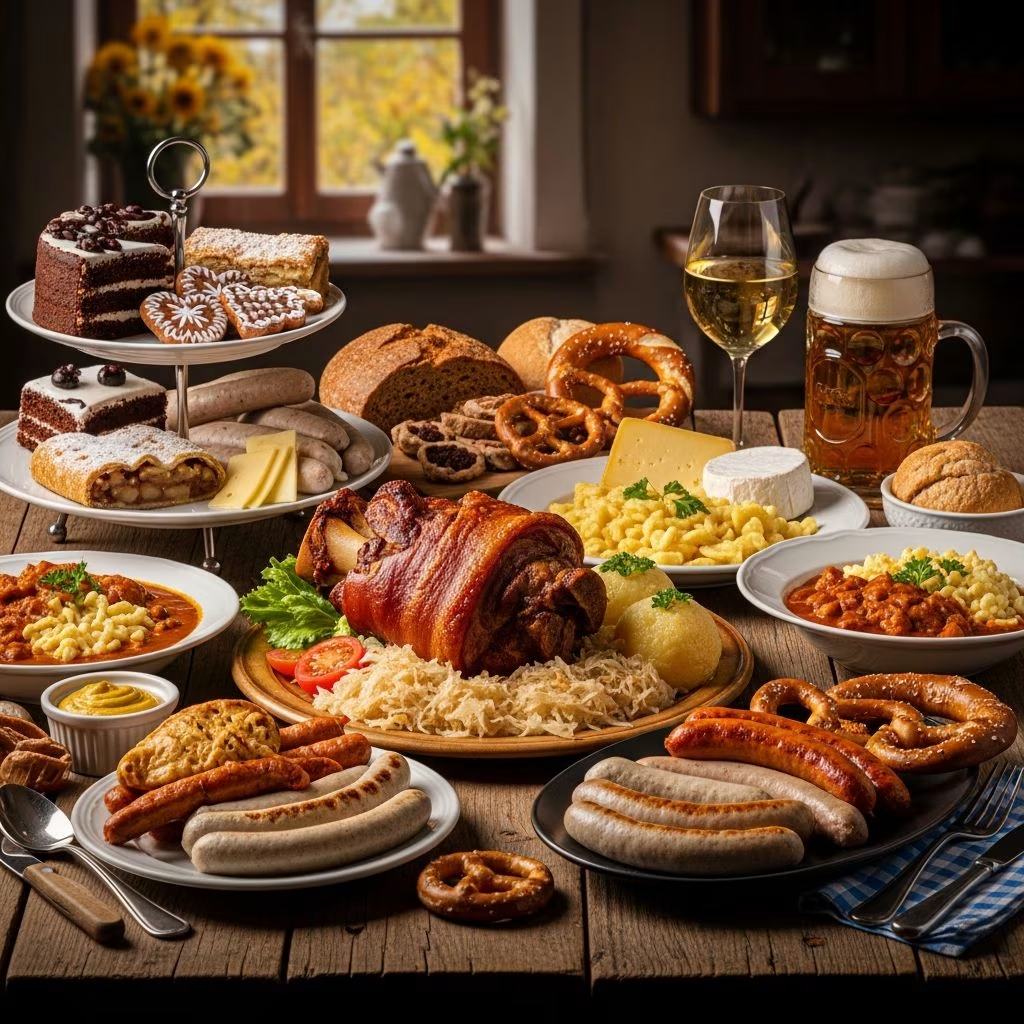
Sausage occupies a central position in German food consciousness, transcending simple protein source to become a cultural icon. The variety of wurst available across Germany encompasses diverse flavor profiles, textures, and preparation methods adapted to regional preferences and available ingredients.
- Bratwurst: A seasoned pork sausage appearing on menus throughout the country, representing one of Germany’s most recognizable culinary exports
- Weisswurst: A delicate sausage made from veal and pork, traditionally served in Bavarian beer halls, typically enjoyed in the morning
- Leberwurst: A liver-based sausage reflecting the German tradition of utilizing all parts of the animal, offering rich, complex flavors
- Regensburger Wurst: A spicy pork sausage variation providing heat and intensity to traditional meals
- Pinkel: A smoked sausage from northern Germany traditionally paired with stewed greens in winter preparations
Beyond sausages, pork dominates German meat consumption through various preparations. Schnitzel—a thin, breaded cutlet of pork or veal—represents one of Germany’s most internationally recognized dishes, combining textural contrast with accessible preparation. Schweinshaxe, featuring roasted crispy pork knuckle served with rich gravy, appears on menus throughout Bavaria and remains a centerpiece for festive meals.
Sauerbraten showcases the German mastery of marinating techniques, with beef slowly soaked in vinegar and spices developing deep, complex flavors that distinguish this dish as a signature preparation.
Regional Food Identities Across Germany
Germany’s diverse geography and historical development created distinct regional cuisines, each reflecting local agricultural products, cultural influences, and historical trade patterns.
Bavarian and Franconian Excellence
Southern Germany centers on hearty, comforting preparations that have made Munich’s beer halls legendary gathering places. Nuremberg earns particular recognition for its finger-sized spiced Bratwurst, a local treasure protected by culinary tradition. The region embraces rich preparations including Leberkäs—a chilled mold of minced pork, beef, and liver served with mustard and bread.
Knödel, or dumplings made from soaked bread, appear alongside nearly every main course in Bavaria, serving as a vehicle for sauce absorption and textural variety. These regions also feature Schweinwurst mit Kraut—pork sausages with fermented cabbage—combining tangy and savory elements in one satisfying preparation.
Rhine Valley and Western Specialties
The Rhine River regions centered around Cologne and Düsseldorf developed distinct culinary traditions emphasizing tangy, slow-cooked dishes reflecting the area’s agricultural heritage. Sauerbraten reaches particular prominence here, with local variations passed through families for generations. Reibekuchen—crisp potato pancakes—appear frequently, typically served with applesauce or compote that provides acidic balance to the rich, fried preparation.
Swabian Pasta Traditions
The historic region around Stuttgart developed sophisticated pasta traditions reflecting southern European influences combined with German flavor sensibilities. Spätzle, soft egg noodles with irregular shapes, serve as a foundation for various preparations, most famously Käsespätzle—egg noodles combined with melted cheese and crispy fried onions creating an alpine comfort food rivaling any international mac and cheese preparation.
Maultaschen, ravioli-like squares filled with meat, spinach, and various ingredients, appear in taverns and contemporary kitchens alike, representing handmade pasta traditions maintained across generations.
Northern Maritime Influences
Northwest Germany’s maritime tradition manifests in seafood-forward preparations, most famously Aalsuppe—a sweet-and-sour eel soup flavored with bacon, vegetables, and sometimes fruits like pears and prunes, creating unexpected flavor combinations reflecting historical trade connections.
Eastern German Heritage
Saxony and Thuringia developed distinct culinary identities featuring robust preparations suited to the region’s climate. Linsensuppe mit Thüringer Rotwurst—lentil soup with Thuringian sausages—exemplifies hearty comfort food traditions, while Kartoffelsuppe maintains its status as a district favorite. Quarkkeulchen, a baked appetizer combining curd, boiled potatoes, flour, sugar, and raisins topped with cinnamon and served alongside applesauce, demonstrates the region’s sophisticated approach to humble ingredients.
Starch Components and Supporting Dishes
German meals frequently feature substantial starch preparations that serve functions beyond simple carbohydrate provision. Sauerkraut—fermented cabbage—appears on plates throughout the nation, providing probiotic benefits and acidic contrast to rich meats. Red cabbage preparations, often braised with apples and vinegar, create balance on traditional plates.
Potato preparations achieve particular prominence in German cuisine, manifesting in salads, pancakes, soups, and dumplings. These humble tubers undergo transformation through various techniques, from simple boiling to elaborate preparation methods that elevate them beyond basic sustenance.
Eintopf—a one-pot stew varying by region—represents German efficiency combined with culinary satisfaction, incorporating meat, seasonal vegetables, and pulses like lentils or beans into warming, nourishing single-pot preparations. Northern variations might feature kale and sausage, while southern versions incorporate root vegetables and beef.
Sweet Traditions and Afternoon Rituals
German dessert culture reaches particular prominence through the afternoon ritual of Kaffee und Kuchen—coffee and cake—a cherished break in the day when coffee accompanies freshly baked sweet goods. This custom reflects cultural values around slowing down, enjoying quality time, and appreciating artisanal baking.
Black Forest cake represents Germany’s most internationally recognized dessert, while apple strudel and plum-filled pastries maintain consistent popularity in bakery windows year-round. Berliner doughnuts—jam-filled pastries without holes—fill bakery displays throughout the country. These sweet preparations often incorporate nuts, dried fruits, and spices reflecting historical spice trade influences on German cuisine.
Beverage Culture: Beyond Beer
While German beer holds legendary status, the nation’s beverage culture encompasses far greater complexity and sophistication than international reputation suggests.
Coffee Traditions
Germans consume substantial quantities of coffee throughout the day, with black filter coffee serving as the morning preference, typically enjoyed first thing and throughout morning hours. Afternoon coffee occasions shift toward preparations with milk or cream added, supporting the Kaffee und Kuchen ritual. This coffee culture sustains productivity and provides framework for social connections across workdays and weekends alike.
Juice and Sparkling Beverages
At mealtimes, Germans favor juices and sparkling water as preferred non-alcoholic options. Apfelschorle—juice mixed with carbonated water—provides refreshing balance to heavier meals, with apple juice particularly popular in this preparation. This sparkling juice culture extends beyond apples, with German consumers mixing various fruit juices with sparkling water to create customized beverages suited to seasonal availability and personal preference.
Spezi, a combination of cola and orange soda available under multiple brand names, represents a distinctly German soft drink popular during summer months.
Beer Diversity and Regional Styles
German beer production encompasses remarkable diversity, with crisp pilsners representing one popular style and cloudy wheat beers offering different flavor profiles and textures. Kölsch, served in small 200-milliliter glasses, provides a refreshing, hoppy option particularly popular in Cologne’s numerous breweries and cafes during summer months, frequently paired with sausage for classic complementary flavors.
Gose, a traditional beer style from Leipzig featuring sour fruit characteristics, has experienced recent resurrection through local breweries, offering tart, opaque alternatives to conventional beer styles.
Wine Production
Beyond beer, German wine regions like the Mosel, Rheingau, and Baden produce elegant Rieslings and Spätburgunder—the German version of Pinot Noir—demonstrating the nation’s sophisticated viticultural traditions.
Specialized Seasonal Preparations
German cuisine emphasizes seasonal ingredients and traditional preparations tied to specific times of year. Asparagus (Spargel) holds particular cultural significance during spring months, appearing in cream soups, crepes, and paired with schnitzel in hollandaise sauce. This seasonal focus reflects both agricultural cycles and cultural traditions around celebrating ingredient peaks.
Winter preparations emphasize warming stews, preserved vegetables, and hearty sausage preparations designed to sustain through cold months. Pinkel mit Grünkohl—smoked sausage with stewed kale, potatoes, and mustard—represents a true winter classic from northern Germany, traditionally served after long winter walks.
Street Food and Casual Eating
Beyond formal dining contexts, German culinary culture includes robust street food traditions. Currywurst—sausage topped with spiced curry-ketchup sauce—represents popular casual eating, while döner kebab has become increasingly common in urban areas. Real German pretzels provide portable carbohydrate options, while regional candy specialties and ginger Christmas cookies appear seasonally throughout the nation.
Dining Philosophy and Values
German food culture reflects broader cultural values around quality, tradition, and communal experience. Food represents connection to history, regional identity, and family heritage, with recipes often passed through generations and cooking methods maintained to preserve authenticity. The emphasis on hearty, satisfying preparations reflects practical wisdom about nutrition and sustained energy, while the ritualization of meals—from morning bakery visits to afternoon coffee breaks to evening beer hall gatherings—demonstrates how food structures social life and community connection.
This culinary approach prioritizes genuine flavor development over trendy presentations, substance over style, and tradition over novelty, creating cuisine that deeply satisfies on physical and emotional levels simultaneously.
References
- German Food — Expatrio. Accessed April 2026. https://www.expatrio.com/about-germany/german-food
- Food & Drink – Germany — Goway Travel. Accessed April 2026. https://www.goway.com/destinations/europe/germany/food-and-drink
- Food and Drink in Germany — Frommers. Accessed April 2026. https://www.frommers.com/destinations/germany/in-depth/food–drink/
- Best Food in Germany: 21 Top Traditional Dishes You Need to Try — Insight Vacations. Accessed April 2026. https://www.insightvacations.com/blog/best-food-in-germany/
- Top 5 Foods to Eat Every Day in Germany — Teaspoon of Spice. Accessed April 2026. https://teaspoonofspice.com/top-5-foods-to-eat-every-day-in-germany/
- 19 Must-Try German Foods & Drinks while Studying Abroad — Go Overseas. Accessed April 2026. https://www.gooverseas.com/blog/must-try-foods-and-drinks-when-studying-abroad-germany
On This Page
The Foundation of German Cooking Morning Rituals and Bakery Culture Protein Staples: Meats and Sausages Regional Food Identities Across Germany Starch Components and Supporting Dishes Sweet Traditions and Afternoon Rituals Beverage Culture: Beyond Beer Specialized Seasonal Preparations Street Food and Casual Eating Dining Philosophy and Values← Previous
Best Time to Visit Santa Barbara: Seasons, Weather & Events
Next →
National Civil Rights Museum in Memphis: History, Exhibits & Visitor Guide
Related Reading
More in Food & Culture
Food & Culture Food & Culture
 Food & Culture
Best Places to Eat in Rome: Neighborhood Dining Guide
 Food & Culture
 Food & Culture