

 Travel Essentials
 Travel Essentials

Discover key advice for traveling Germany: embrace cash, cycle safely, respect Sunday closures, and navigate punctuality and public transport.
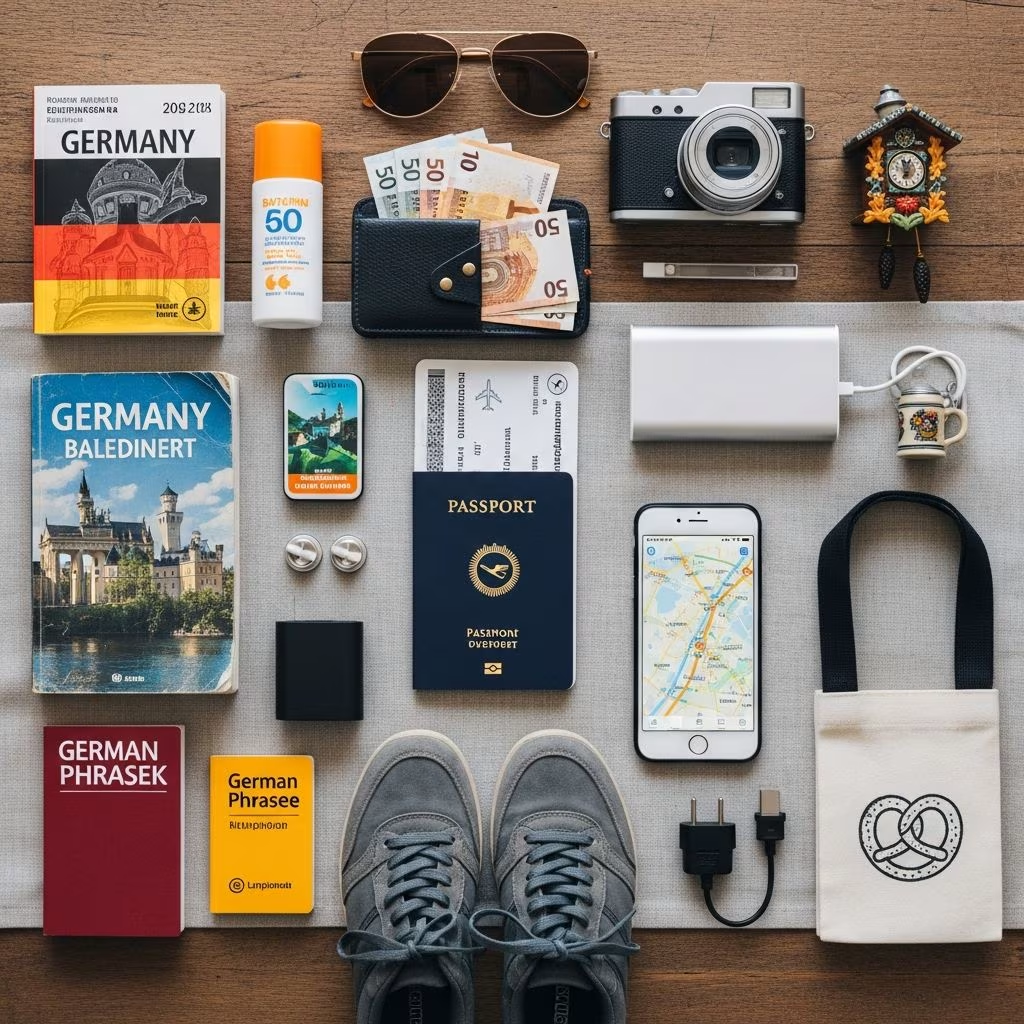 Travel Essentials
Germany offers a blend of historic landmarks, efficient infrastructure, and vibrant culture that draws millions of visitors annually. To make the most of your journey, understanding local customs and practicalities is crucial. This guide covers transportation options, financial habits, social norms, and more, drawing from reliable travel insights.
Bicycling is deeply embedded in German daily life, with extensive networks of dedicated lanes in cities and countryside routes. Urban areas feature bike-sharing programs, including family-friendly cargo bikes, making it easy for tourists to explore sustainably. The government’s National Cycling Plan 3.0 targets doubling cyclist numbers by 2030 through enhanced safety and infrastructure improvements, reducing emissions in the process.
Visitors should always secure bikes when parked, as theft occurs despite general driver awareness. Helmets aren’t mandatory but are common in cities for added protection. Stay vigilant on shared paths where bikes and pedestrians coexist closely—stepping into a bike lane can be hazardous.
Despite its technological prowess, Germany remains a cash-preferring society. Many small businesses, markets, and even some restaurants do not accept cards, so carrying euros is essential. ATMs are widespread, but exchange rates vary—use bank machines for better deals.
| Payment Method | Acceptance | Tips |
|---|---|---|
| Cash | Universal | Carry 50-100€ daily for small vendors. |
| Credit/Debit Cards | Large stores, hotels | Visa/Mastercard common; notify bank of travel. |
| Contactless/Mobile | Growing in cities | Apple Pay/Google Pay in metros like Berlin. |
Tipping is modest: round up bills or add 5-10% for good service. No need for elaborate gestures.
Sundays honor a long-standing tradition of rest, with most shops, supermarkets, and services closed nationwide. Exceptions include bakeries (until noon), train station kiosks, and tourist spots. Restaurants often operate, but stock up on groceries Saturday.
This quiet day suits museum visits or park strolls. In places like Berlin, some markets or cafes defy the norm, but don’t count on it elsewhere.
Timekeeping is sacrosanct in Germany. Trains, trams, and buses adhere strictly to schedules—arrive 5 minutes early to avoid missing them. Personal meetings follow suit; lateness signals disrespect. Public transport reliability is high, especially Deutsche Bahn’s ICE high-speed trains.
For long-distance travel, book tickets via the DB Navigator app weeks ahead for discounts up to 50%. Seat reservations are mandatory on busy routes.
Germany’s network is world-class: motorways (Autobahn) allow unlimited speeds on select stretches (no general limit, but 130 km/h advised), while trains connect everywhere efficiently. Regional buses fill gaps.
Directness defines interactions—small talk is rare, and privacy is valued. Public nudity (Freikörperkultur) is normalized at beaches, parks, and saunas; don’t stare. Quiet on transit: loud calls disrupt harmony.
Restrooms often charge 0.50-1€; carry coins. Greetings: ‘Guten Tag’ formally, handshakes common.
Most visitors need no visa for 90 days (Schengen Area). Check U.S. State Department for updates. Crime is low; petty theft in crowds—use hotel safes. Health: EU card for Europeans; travel insurance recommended.
Sample regional specialties: Currywurst in Berlin, Weißwurst in Bavaria. Beer gardens thrive in summer. Water from taps is safe and free.
Summer festivals like Oktoberfest (book early). Winter Christmas markets magical but crowded. Shoulder seasons (spring/fall) offer mild weather, fewer tourists.
English widely spoken in tourist hubs, but learn phrases: ‘Danke’ (thanks), ‘Entschuldigung’ (excuse me). Apps like Duolingo help.
Yes, many places prefer or require it exclusively.
Generally no, except limited exceptions.
Yes, with caution on lanes and locks.
Highly, but book trains ahead.
Round up or 5-10%.
