

 Travel Essentials
 Travel Essentials

Discover essential tips, itineraries, and highlights for your first Germany trip, from Berlin's urban vibe to Bavarian Alps and Rhine Valley castles, all optimized for seamless exploration.
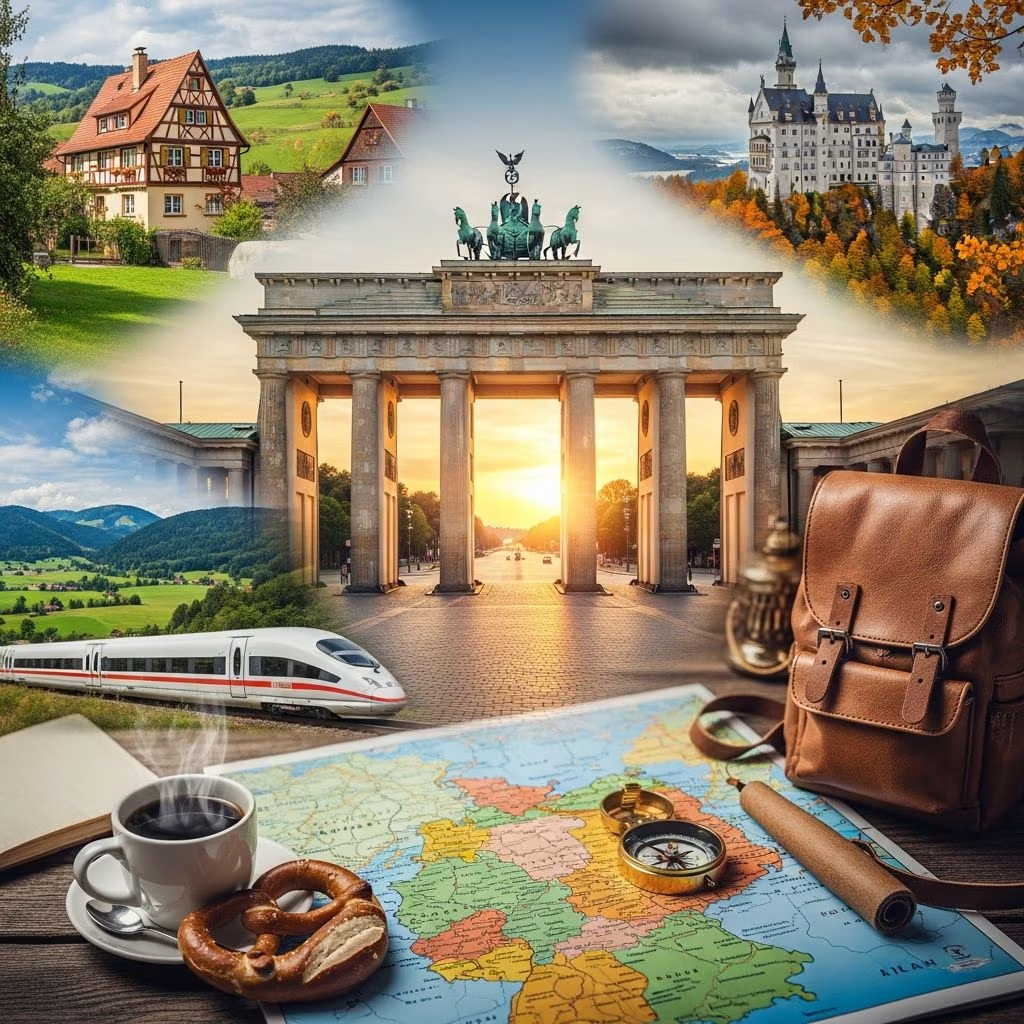 Travel Essentials
Germany offers a captivating blend of modern innovation, rich history, and stunning natural beauty, making it an ideal destination for newcomers. This guide provides practical advice, itinerary suggestions, and cultural insights to help you navigate the country efficiently and memorably.
From pulsating urban centers to fairy-tale castles and serene alpine meadows, Germany defies simple stereotypes. Efficient public transport connects vibrant cities like Berlin and Munich with picturesque regions such as the Rhine Valley and Black Forest. Expect punctual trains, welcoming beer gardens, and a culture that values order alongside creativity.
New travelers often discover unexpected diversity: gritty street art in Berlin contrasts with baroque elegance in Dresden, while southern lakes invite relaxation amid mountain vistas. Seasonal highlights include Christmas markets in winter and outdoor festivals in summer, ensuring year-round appeal.
Spring (April-June) and autumn (September-October) deliver mild weather ideal for hiking and sightseeing, with fewer crowds than peak summer. Winters bring festive markets but colder temperatures, while summers offer long days for outdoor pursuits.
Germany’s rail network, operated by Deutsche Bahn, is legendary for reliability. Purchase a Eurail Germany Pass for flexible travel across regions. City passes like the Berlin WelcomeCard offer unlimited public transport and discounts.
Bikes are ubiquitous; rent via apps like Nextbike in cities. For rural areas, consider rental cars, but note Autobahns have variable speed limits—drive cautiously.
| Transport Option | Best For | Cost Estimate (per day) |
|---|---|---|
| Train (Regional) | City hops, valleys | €20-50 |
| City Bike Rental | Urban exploration | €10-15 |
| U-Bahn/S-Bahn | Intra-city | €3-8 |
| Rental Car | Alps, countryside | €40-70 |
Start in Berlin, a hub of reinvention. Explore the Brandenburg Gate, Berlin Wall remnants at East Side Gallery, and Museum Island’s world-class collections. Venture to Tempelhofer Feld for urban parks or Badeschiff for riverside beaches. Neighborhoods like Kreuzberg buzz with multicultural street food and graffiti tours.
Munich embodies southern charm. Stroll English Garden, visit Marienplatz for clocktower shows, and tour Dachau Memorial for sobering history. Evenings in beer halls like Hofbräuhaus offer pretzels and live oompah music. Day trips to Neuschwanstein Castle reveal fairy-tale architecture.
Hamburg’s Elbphilharmonie concert hall overlooks revitalized HafenCity. Wander Speicherstadt’s UNESCO warehouses, home to Miniatur Wunderland, and savor fish sandwiches at harborside spots. St. Pauli district pulses with nightlife.
South of Munich, Zugspitze offers Germany’s highest peak views. Berchtesgaden National Park features hikes around Königssee lake. Towns like Garmisch-Partenkirchen host beer gardens with alpine panoramas.
Cruise the Rhine past fortresses like Marksburg, stopping in Koblenz or Rüdesheim. Mosel region’s steep vineyards produce renowned Rieslings; hike trails between half-timbered villages.
Triberg’s waterfalls and cuckoo clocks define the Black Forest. Freiburg’s sunny squares and nearby Baden-Baden spas add luxury. Michelin-starred dining elevates regional cuisine like Black Forest cake.
East of Dresden, sandstone formations beg for hikes like Bastei Bridge. The area’s baroque revival post-WWII pairs with Elbe River trails.
Tailor your adventure to available time for balanced pacing.
Incorporate Harz Mountains, Franconian wine towns, and Lake Constance for unhurried discovery.
Germans prize punctuality—arrive on time for reservations. Greet with ‘Guten Tag’ and recycle diligently (colors-coded bins). Public drinking is fine, but quiet after 10pm in residential areas. Tipping is modest: round up bills.
Currywurst in Berlin, Weisswurst in Bavaria, seafood in Hamburg. Pair with local beers or Rieslings. Vegetarians find options like Käsespätzle; markets offer fresh produce.
Daily costs: €100-150/person (mid-range). Hostels €30/night, meals €15. Use Deutschland-Ticket (€49/month) for regional trains. Free hiking trails and museum free days stretch funds.
Affordable compared to neighbors; budget wisely with passes and street food.
Schengen rules apply; check for stays over 90 days.
Yes—zoos, parks, castles entertain all ages.
Very; low crime, excellent infrastructure.
English widely spoken in tourist areas.
Book trains early, consider travel insurance, and embrace spontaneity like canal-side picnics. Germany’s efficiency lets you focus on experiences—from cliff hikes to symphony halls.
