


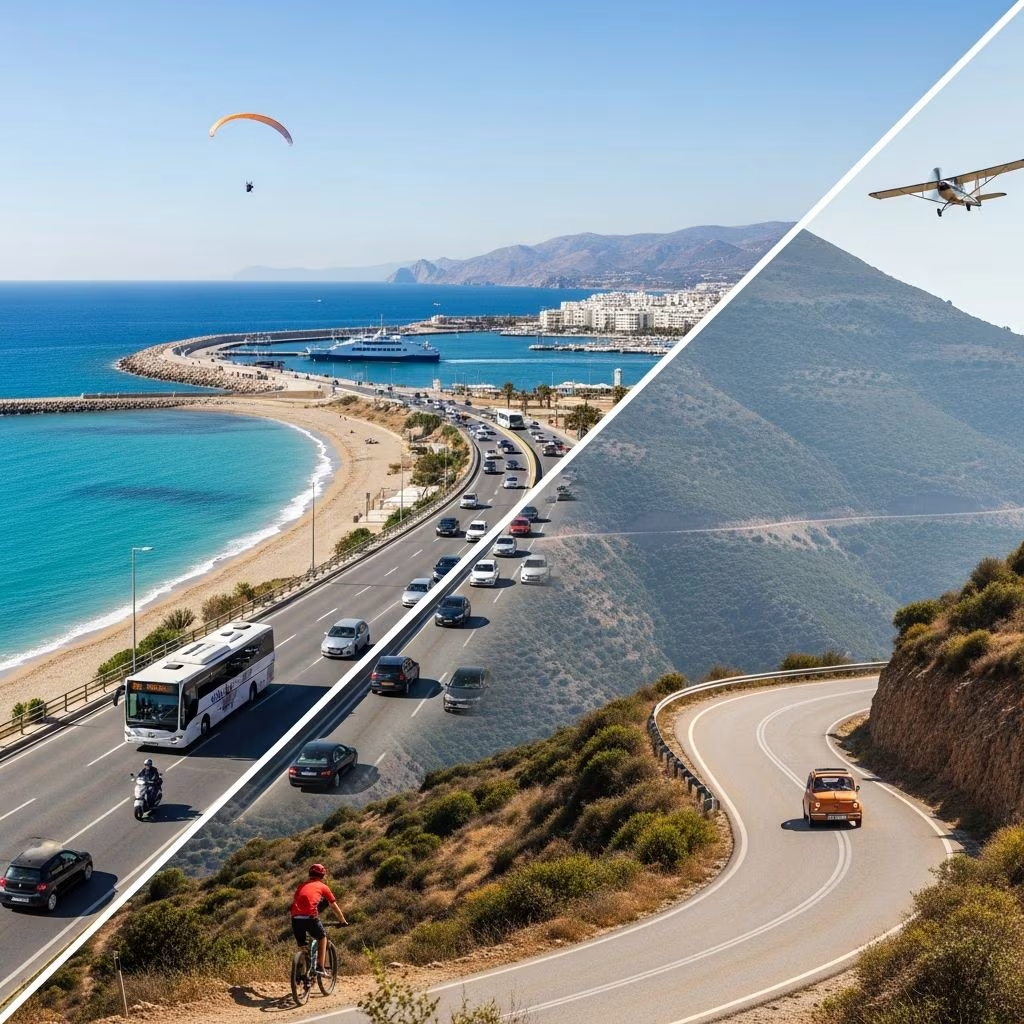
Navigating the Mediterranean island of Cyprus presents travelers with straightforward and economical transportation alternatives. The island’s compact geography, manageable distances, and well-maintained infrastructure throughout tourist corridors and connecting routes make exploration accessible whether you’re an independent adventurer or prefer organized group travel. Understanding the available mobility options helps optimize both budget and experience during your stay.
Why Transportation Matters in Cyprus
Cyprus spans only about 225 kilometers from east to west, yet offers diverse landscapes from coastal resort towns to mountainous interior regions. The political division between the Republic of Cyprus in the south and the Turkish Republic of Northern Cyprus creates some unique transportation considerations, particularly regarding cross-border movement and service availability. Most international visitors arrive in the Republic of Cyprus and concentrate their activities in southern regions, though northern exploration remains possible with proper documentation.
The island’s tourism infrastructure has evolved significantly, particularly following reorganization initiatives that modernized the public transit network. Today, multiple transportation modes serve different traveler preferences, from budget-conscious backpackers to those seeking convenience and flexibility.
Motorized Rentals: Freedom and Flexibility
Automobile Rental Economics and Logistics
Vehicle rental represents the most versatile option for independent exploration, offering access to remote villages, scenic viewpoints, and attractions beyond established public transit routes. Summer rates typically start around €50 daily, while winter pricing drops to approximately €25 per day, with longer rental periods yielding proportionally lower costs. Both major international agencies and numerous local companies maintain offices at southern airports and throughout tourist-dense towns, providing convenient pickup and return options.
Strategic advance booking during peak seasons secures better rates and guarantees vehicle availability, as high-demand periods frequently result in complete fleet depletion. The rental process accommodates most international licenses, though specific documentation requirements vary by agency and should be verified before arrival.
Alternative Motorized Options
Beyond traditional automobiles, Cyprus offers motorcycles, scooters, quad bikes, and beach buggies for those seeking alternative experiences. These options provide economical and exhilarating ways to navigate the island, though riders should carefully evaluate personal comfort levels and local driving conditions. Safety considerations merit particular attention, as Cyprus maintains lower-than-average traffic safety records compared to Northern European standards.
Comprehensive Bus Networks
Intercity Bus System Architecture
The southern bus network underwent substantial reorganization in 2010, establishing the current well-developed urban and intercity infrastructure. Modern, air-conditioned coaches link major population centers including Nicosia, Limassol, Paphos, and Larnaca with reliable scheduling and affordable fares. These intercity services operate multiple daily departures, making them practical for both day excursions and longer journeys between coastal regions.
Standard pricing applies uniformly across districts despite different operating companies managing regional services:
- Single journey: €1.50
- Daily ticket: €5.00
- Weekly ticket: €20.00
- Monthly ticket: €40.00
- Daily intercity pass: €15.00
Each regional company maintains independent contact numbers and online booking systems, though the centralized portal at cyprusbybus.com aggregates schedules and facilitates trip planning. Airport information line 80007789 provides transportation logistics for arriving passengers.
Urban Transit Services
Major cities operate dedicated urban bus networks connecting neighborhoods, commercial districts, shopping areas, and recreational facilities. Frequency varies by location and time of day, with peak-hour service every 10-30 minutes in larger metropolitan areas. Weekend and holiday schedules typically feature reduced frequency compared to weekday operations. Larnaca’s urban system charges €2.40 per journey when purchased directly from drivers, with multi-day passes available for extended stays.
Rural and Mountain Transportation Challenges
Services to remote villages, particularly in the Troodos Mountains, operate with substantially reduced frequency and reliability compared to coastal and urban routes. Small communities may receive bus service only once or twice daily on specific days, requiring advance research and flexible scheduling for visitors planning mountain explorations.
Taxi and Shared Transport Solutions
Traditional Taxi Services
Cyprus maintains a well-regulated taxi system with metered fares and consistent pricing standards across the island. Confirming fare expectations before commencing longer journeys provides peace of mind and prevents misunderstandings. Urban taxis offer convenient on-demand transportation, particularly beneficial for late-night travel when bus services have ceased operation.
Shared Taxi Arrangements
Shared taxis operating between principal towns provide economical alternatives to private vehicle hire or individual taxi fares. The southern version, formally called Transurban Taxis, follows structured half-hourly schedules from 6am to 6pm weekdays and 7am to 5pm Sundays, carrying four to eight passengers per vehicle. Northern Cyprus operates similar services called dolmuses, which typically depart upon reaching passenger capacity rather than maintaining strict schedules.
Modern Ride-Hailing Integration
Contemporary ride-hailing applications including Bolt have expanded transportation choices for travelers preferring app-based booking and digital payment methods. These services function similarly to established international platforms, offering transparency regarding fares and driver information while accommodating late-night urban transportation needs when conventional taxi availability may be limited.
Understanding Regional Divisions
Southern Republic Transit Infrastructure
The Republic of Cyprus operates the most comprehensive and modern transportation network, particularly in coastal and urban centers. Buses typically operate Monday through Saturday with reduced Sunday schedules, with most services concluding operations by 6pm. This concentration creates advantages for daytime travelers but necessitates alternative arrangements for evening activities or late-night entertainment venues.
Northern Cyprus Considerations
Transportation in northern regions exhibits less developed infrastructure and fewer standardized services compared to southern counterparts. A web of private companies operates services with varying schedules and limited centralized information sources. Services between major cities typically run every 20-30 minutes during daylight hours, with fares ranging from 4TL to 8TL (Turkish Lira). Visitors require appropriate documentation and should verify current visa requirements before attempting cross-border movement through Nicosia.
Cross-Border Movement Logistics
No direct bus services operate across the Green Line dividing the island. Travelers wishing to explore both regions must journey to Nicosia, traverse the border on foot, and connect with northern-side transportation. This process requires advance planning and awareness of current political and bureaucratic requirements, which may change unexpectedly.
Specialized Transportation Modes
Walking and Hiking Exploration
Cyprus’s compact coastal areas and established trail networks invite pedestrian exploration for adventurous travelers. Scenic waterfront promenades, mountain footpaths, and village streets offer rich sensory experiences unattainable from motorized transport. Walking pace allows appreciation of local architecture, vegetation, and informal interactions with residents.
Cycling Adventures
Two-wheeled cycling represents an alternative transport and recreational option for those possessing appropriate fitness levels and comfort with Cyprus’s varied road conditions. Coastal routes typically offer manageable terrain, while mountain regions present challenging elevation changes requiring advanced cycling capabilities.
Strategic Travel Planning Framework
Selecting Your Transportation Approach
| Transportation Mode | Best For | Cost Level | Flexibility |
|---|---|---|---|
| Car Rental | Remote sites, independent schedules | Medium | Maximum |
| Intercity Buses | Urban centers, established routes | Low | Moderate |
| Urban Buses | City exploration, local transit | Low | Moderate |
| Taxis | Convenience, off-hours travel | High | Maximum |
| Shared Taxis | Budget intercity travel | Low | Low |
| Ride-Hailing Apps | Urban mobility, late night | Medium | High |
Seasonal Considerations
Cyprus’s Mediterranean climate affects both transportation availability and travel conditions. Summer months see peak tourist activity, resulting in higher vehicle rental prices, crowded buses, and greater competition for resources. Advance reservations become essential during June through September. Winter offers lower accommodation and rental rates with significantly fewer travelers, though reduced service frequencies in secondary locations may require more flexible itineraries.
Practical Implementation Strategies
Information Sources and Pre-Travel Research
Dedicated resources including cyprusbybus.com consolidate scheduling information, pricing, and route maps, substantially reducing pre-departure planning complexity. Regional operator websites and contact numbers enable direct confirmation of specific service details. Mobile applications increasingly provide real-time tracking and booking functionality, particularly for intercity services.
Airport Transportation Integration
Cyprus’s international airports in Larnaca and Paphos offer multiple ground transportation options. Line 425 connects Larnaca Airport with beachfront destinations, operating every 20 minutes from 6:30 until 23:50, facilitating cost-effective airport transfers for budget travelers. Shuttle services, organized tours, and rental car facilities provide additional arrival alternatives accommodating various preferences and budgets.
Safety and Security Considerations
Well-maintained roads throughout tourist regions and between major towns facilitate safe travel when drivers exercise appropriate caution. Road conditions in remote mountain areas or less-traveled routes may present challenges requiring experienced driving skills. Visitors unfamiliar with local driving conventions and road characteristics might reasonably prioritize organized tours or public transportation alternatives.
Frequently Asked Questions
What transportation option offers the best value for money?
Public buses provide the most economical exploration option, particularly intercity services connecting major tourist destinations. Weekly passes at €20 or monthly passes at €40 deliver substantial savings for extended stays, while single journeys cost only €1.50. Shared taxis between principal towns offer comparable economy with greater scheduling flexibility than buses.
Is it necessary to rent a car for a Cyprus vacation?
Car rental substantially enhances access to remote villages, mountain scenery, and attractions beyond public transit coverage, particularly for travelers seeking maximum independence. However, well-established bus networks adequately serve coastal tourist centers, and organized tours provide structured experiences without personal vehicle operation responsibilities. Preference depends on individual travel style and intended destinations.
Can I travel between northern and southern Cyprus by direct bus?
No direct cross-border bus services exist. Travelers must journey separately to Nicosia, traverse the border on foot, and connect with transportation on the opposite side. Appropriate documentation and current visa requirements must be verified beforehand.
What time do buses stop operating?
Most southern bus services conclude operations by 6pm, with reduced schedules on Sundays. This constraint necessitates late-afternoon travel planning for evening activities or alternative arrangements like taxis or organized tours for late-night return transportation.
Are English-speaking taxi drivers readily available?
Tourist-centric areas typically feature English-speaking drivers, particularly younger professionals operating through ride-hailing applications. However, confirmatory communication methods like written addresses or hotel business cards reduce potential misunderstandings, especially in less-touristed regions or during after-hours services.
References
- Getting around Cyprus: how to navigate this sun-drenched island — Lonely Planet. Retrieved from https://www.lonelyplanet.com/articles/getting-around-cyprus
- Cyprus Public Transport: Everything You Need To Know About It — The Elegant Wanderer. Retrieved from https://www.theelegantwanderer.com/cyprus-public-transport/
- Getting around Cyprus: Transportation Tips — Rough Guides. Retrieved from https://www.roughguides.com/cyprus/getting-around/

