

 Travel Essentials
 Travel Essentials

Comprehensive guide to Rio de Janeiro's public transport options including metro lines, buses, BRT, trains, taxis, and tips for safe, efficient travel across the city's vibrant neighborhoods.
 Travel Essentials
Rio de Janeiro, with its sprawling beaches, iconic mountains, and bustling urban centers, demands a smart approach to getting around. The city’s transport system blends modern efficiency with traditional charm, offering visitors multiple ways to traverse from Copacabana’s sands to the historic streets of Centro. Whether you’re beach-hopping in Zona Sul or venturing to Barra da Tijuca, understanding these options ensures smooth travels amid Rio’s notorious traffic.
The **MetroRio** system stands out as the most reliable and visitor-friendly transport in Rio, praised for its cleanliness, air-conditioning, and safety. Spanning three lines, it connects key southern zones like Ipanema and Copacabana to northern areas and Barra da Tijuca, making it ideal for tourists avoiding surface chaos.
Tickets cost around R$4-5, purchasable via self-service machines or counters at stations. Opt for a **Rio Card** for seamless integration with buses and BRT, though metro-only cards exist. Hours typically run 5am-midnight weekdays, 7am-11pm weekends, with extensions for events like Carnival. English signage and maps on the official site aid navigation.
Buses dominate Rio’s streets with over 400 lines carrying millions daily, though traffic can slow them. Fares hover at R$4.05, payable in cash or Rio Card; flag them by extending your arm. Night services thin out post-midnight, so plan ahead.
For speed, choose **BRT (Bus Rapid Transit)**—articulated buses in dedicated lanes across three corridors: Transoeste (to Alvorada and Campo Grande), Transcarioca (Fundão to Madureira), and Transolímpica (Recreio to Sulacap). Same R$4.05 fare, 24/7 operations at many stations. These shave time off trips to outer zones.
| Transport Type | Key Routes | Fare (R$) | Hours |
|---|---|---|---|
| Standard Bus | Citywide, 440+ lines | 4.05 | 24h (limited late) |
| BRT | Transoeste, Transcarioca, Transolímpica | 4.05 | 24/7 |
**SuperVia trains** from Central Station serve 8 lines to suburbs and Baixada Fluminense, costing R$4.60 via Rio or SuperVia cards. Useful for northern excursions but less tourist-oriented.
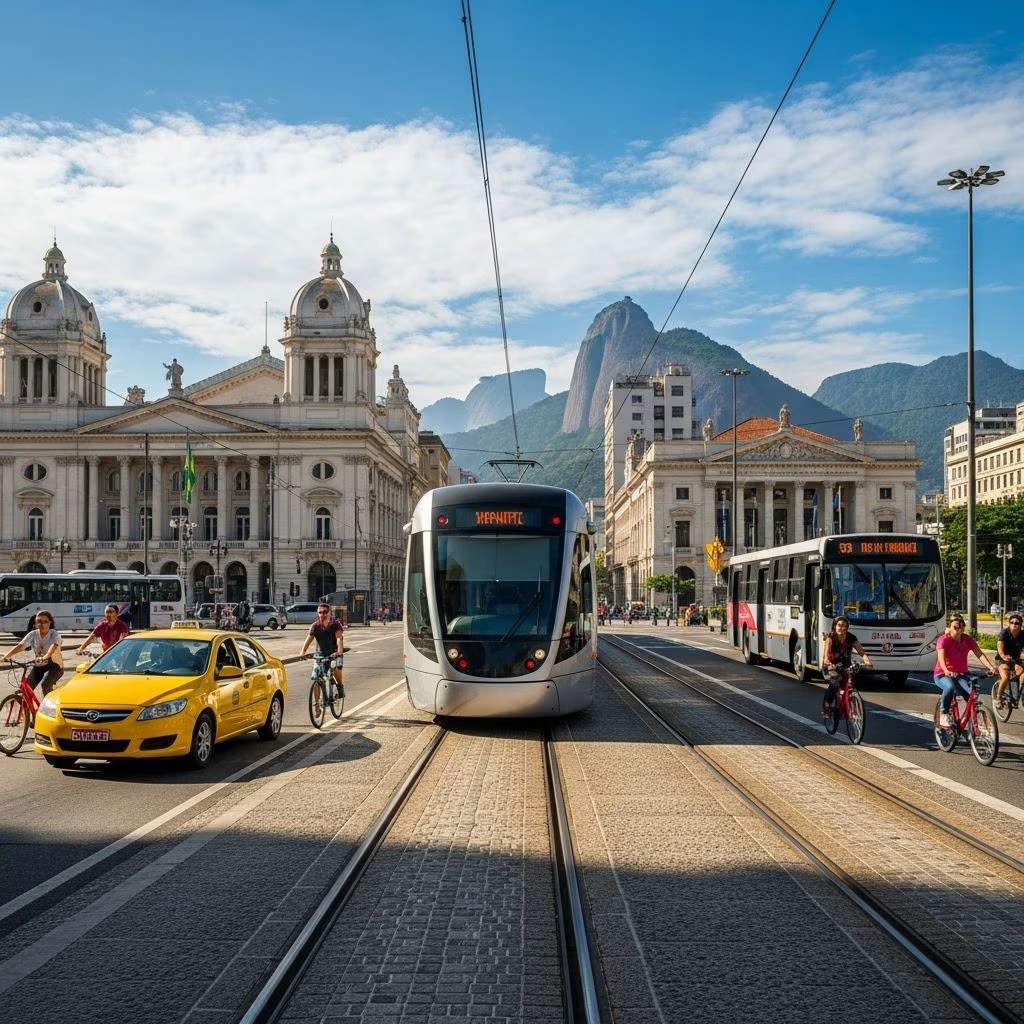
The **VLT Carioca light rail** glides through Centro, a post-Olympics gem with lines from Santos Dumont Airport to bus terminals and port areas. Free for short hops until recent changes; now integrated with fares. Stops align with metro stations like Carioca and Cinelândia, easing transfers to museums and Praça Mauá.
Yellow taxis with blue stripes (*amarelinhos*) are plentiful in Zona Sul, metered, and quick outside rain. Apps like 99Taxis or Uber offer transparency—confirm routes and fares upfront to dodge scams. Avoid hotel lurkers. Expect 20-30 minutes across southern zones.
Rio’s airports—Galeão (GIG, international) and Santos Dumont (SDU, domestic)—connect via buses, taxis, or metro-proximate VLT. Official transfers or Uber from arrivals curb are safest; buses like BRT link directly for budget options.
Orange **bike-sharing** stations dot beaches for short, scenic rides. Walking shines in pedestrian-friendly Centro or along Arpoador paths, but hilly terrain and heat limit long hauls.
Rio’s transport is generally safe, especially metro and BRT, but vigilance is key: keep valuables hidden, avoid empty late-night buses, use official apps. Download Moovit or Citymapper for real-time routes. Rio Card (R$3-20 loadable) unifies payments. During events, expect crowds and extended hours.
Yes, it’s clean, air-conditioned, and among the safest options, with good coverage for popular areas.
Standard fare is R$4.05, payable cash or Rio Card; BRT matches this.
Excellent alternative to taxis, often cheaper, with easy hailing via app.
Many stations 24/7, faster than regular buses due to exclusive lanes.
Rio Card covers metro, buses, BRT, and trains.
Embracing Rio’s transport unlocks its rhythms—from sunrise metro to evening VLT cruises. Layered planning turns potential gridlock into gateway adventures.
