

 Travel Essentials
 Travel Essentials

Explore Ghana's seven national parks: Mole's elephants, Kakum's walkways, Bia's rainforests, and more for unforgettable eco-tours and biodiversity hotspots.
 Travel Essentials
Ghana boasts a diverse array of national parks that showcase its rich ecosystems, from expansive savannahs teeming with large mammals to dense rainforests harboring rare primates and birds. These protected areas, totaling seven in number, offer visitors unparalleled opportunities for wildlife observation, hiking, and cultural immersion. Established primarily in the mid-20th century, they protect over 10,000 square kilometers of vital habitats amid growing human pressures.
These parks represent Ghana’s commitment to conservation, blending adventure with education. Travelers can spot elephants in open grasslands, traverse swaying canopy bridges high above the forest floor, or hike to towering waterfalls. Accessibility varies: some like Kakum are near coastal cities, while remote ones like Digya demand rugged preparation. Best visited during the dry season (December to April), they attract eco-tourists seeking authentic African wilderness without the crowds of East African reserves.
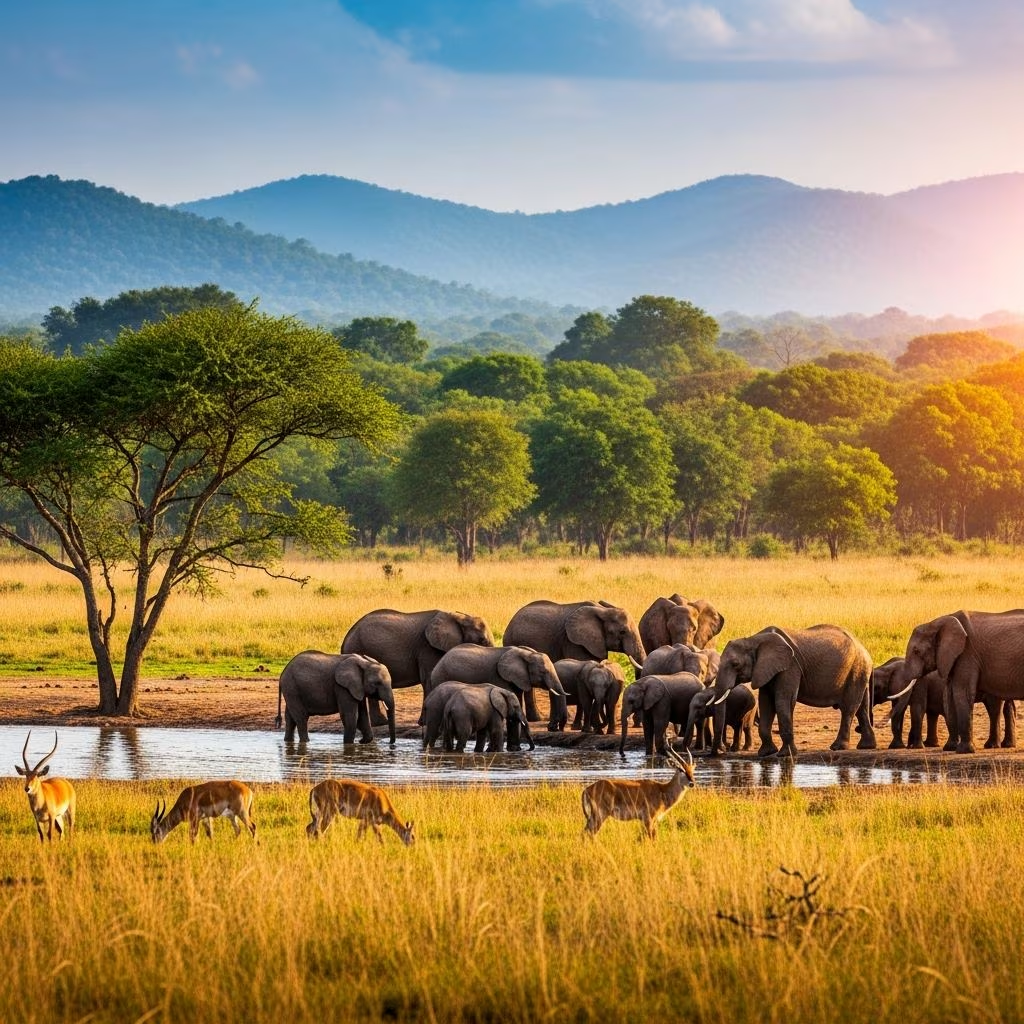
As Ghana’s largest protected area at 4,840 square kilometers, Mole National Park in the northwest delivers classic African safari vibes. Founded in 1958 and formalized in 1971, it spans grasslands and riparian zones ideal for spotting herds of elephants, antelopes, buffalo, and occasional lions or leopards. Accessible via Tamale Airport, visitors stay at the park’s lodge for early morning game drives or foot safaris led by knowledgeable rangers.
The park’s waterholes draw wildlife at dawn and dusk, creating prime viewing windows. Beyond mammals, over 300 bird species, including vultures and hornbills, thrive here. Conservation efforts focus on anti-poaching, ensuring sustainable tourism. A typical visit includes a 3-hour jeep safari, costing around $20 per person, revealing the park’s role in preserving West African savannah ecosystems.
Nestled in the Central Region, Kakum National Park spans lush rainforests famed for its seven suspension bridges forming a treetop walkway 30 meters above ground. This 350-square-kilometer reserve, one of Ghana’s most popular sites, shelters forest elephants, spot-nosed monkeys, duikers, and vibrant birdlife. The canopy path offers vertigo-inducing views of the verdant expanse below, where rare orchids and ferns cling to ancient trees.
Guided night walks reveal nocturnal creatures like civets and owls, while day hikes explore medicinal plant trails used by local Akan communities. Protected since the 1990s with international aid, Kakum exemplifies successful rainforest conservation. Entry fees support ranger patrols, vital against logging threats. Pair it with nearby Cape Coast Castle for a full-day excursion from Accra.
In Ghana’s Western Region, the 563-square-kilometer Bia National Park stands as a UNESCO Biosphere Reserve, guarding some of West Africa’s tallest trees and intact canopies. Established in 1935 near the Bia River, it hosts 62 mammal species, including 10 primates like endangered colobus monkeys, plus bongos, elephants, and buffalo. Bird enthusiasts tally over 160 species, from hornbills to sunbirds.
Hiking trails wind through untouched forests, with platforms for monkey spotting. The park’s remoteness preserves its wilderness feel, though basic lodging is available. Conservation challenges include gold mining encroachment, addressed via community partnerships. Ideal for serious nature lovers, Bia offers profound immersion in Ghana’s vanishing rainforests.
Along the Black Volta River in the north, Bui National Park covers 1,820 square kilometers of savannah, forest, and wetlands. Known for hippo pods, antelopes, colobus monkeys, and 200+ bird species, it features stunning Bui Falls and the controversial Bui Dam. Founded in 1971, the park balances hydropower with wildlife protection, though flooding has altered habitats.
Boat safaris on the river reveal hippos and crocs, while trails lead to waterfalls. Cultural tours visit nearby villages, showcasing fishing traditions. Despite dam impacts, Bui remains a birdwatcher’s paradise and a testament to adaptive conservation.
Ghana’s second-largest park at 3,700 square kilometers hugs Lake Volta’s shores, merging savannah, forest, and wetlands. Six primate species, including baboons and colobus monkeys, roam its expanse, alongside elephants and diverse avifauna. Remote and rugged, it demands 4×4 access and camping, rewarding intrepid explorers with uncrowded wildlife encounters.
Boat trips on the lake spot waterbirds, while hikes reveal antelope trails. As a less-visited gem, Digya preserves Ghana’s ecological mosaic amid development pressures.
On the Togo border in the Volta Region, this 360-square-kilometer park encircles Mount Dzebobo, Ghana’s second-highest peak at 876 meters. Wildlife includes elephants, buffalo, duikers, 235 bird species, and 500 butterflies. Founded in 1997, it excels in hiking, biking, and panoramic views over Volta Lake.
Trails challenge adventurers, with basic resthouses available. Its border location adds cross-cultural appeal, fostering transboundary conservation.
To maximize your trip, fly into Accra’s Kotoka Airport, then connect via domestic flights or buses. Pack insect repellent, sturdy boots, and binoculars. Permits cost $10-30, with guides mandatory in most parks. Sustainable practices like using local operators support communities.
| Park | Size (sq km) | Key Wildlife | Top Activity |
|---|---|---|---|
| Mole | 4,840 | Elephants, lions | Safari drives |
| Kakum | 350 | Monkeys, elephants | Canopy walk |
| Bia | 563 | Primates, bongos | Forest hikes |
| Bui | 1,820 | Hippos, antelopes | Boat tours |
| Digya | 3,700 | Primates, birds | Lake safaris |
| Kyabobo | 360 | Elephants, butterflies | Mountain hikes |
Dry season from December to April offers optimal wildlife viewing and trail conditions.
Yes, with guided tours; stick to ranger-led activities and official lodges.
Entry $10-25, safaris $20-50; budget $100/day including lodging.
Not fully; Mole has elephants, buffalo, leopards—lions are rare, rhinos absent.
Yellow fever mandatory; consult for malaria prophylaxis and hepatitis.
