

 Travel Essentials
 Travel Essentials

Comprehensive guide covering documentation, health requirements, transportation, cultural etiquette, and practical tips for first-time visitors to Ghana.
 Travel Essentials
Ghana stands as one of West Africa’s most welcoming and accessible destinations, offering visitors a remarkable blend of historical significance, cultural richness, and natural beauty. Before embarking on your journey to this vibrant nation, understanding key practical considerations and cultural nuances will significantly enhance your travel experience. This comprehensive guide provides essential information to ensure you arrive prepared and informed.
Ghana’s narrative spans centuries of transformation and resilience. Originally known as the Gold Coast, the nation underwent significant colonial influence spanning over two millennia before achieving independence from British rule in 1957. This historical backdrop deeply influences contemporary Ghanaian society and traditions you’ll encounter during your visit.
The country is home to approximately 30 million people, with its capital Accra serving as the economic and cultural hub housing around 3 million residents. Various ethnic groups populate different regions, each contributing distinct cultural practices and languages. The Ashanti people, traditionally centered in the country’s middle regions around Kumasi, hold particular cultural prominence and have maintained strong trading traditions dating back centuries.
Before finalizing your travel plans, ensure you have all necessary documentation in order. Your passport must remain valid for at least six months beyond your intended departure date from Ghana. Most international visitors require visas, though certain nationalities enjoy visa-free or visa-on-arrival privileges. Contact the Ghanaian embassy or consulate in your country of residence to determine specific requirements applicable to your citizenship.
Beyond passport and visa considerations, health documentation proves equally critical. Yellow fever vaccination certificates represent mandatory entry requirements for Ghana. This vaccination must be administered at least 10 days before travel, as your body requires this period to develop adequate immunity. Additionally, malaria prophylaxis prescription from your healthcare provider is strongly recommended, though antimalarial medications are available at competitive prices in Ghanaian pharmacies if you prefer purchasing upon arrival.
Maintain photocopies of essential documents throughout your journey. Carrying duplicates of your passport identification page, visa, travel insurance documentation, and vaccination certificates separately from originals provides crucial backup in case of loss or theft.
Ghana experiences tropical climatic conditions characterized by consistently warm temperatures year-round. Humidity levels remain elevated throughout most months, with distinct rainfall patterns defining two primary seasons. The first rainy period extends from April through June, while the second occurs from September through November. These months bring substantial precipitation and higher humidity levels, potentially affecting outdoor activities.
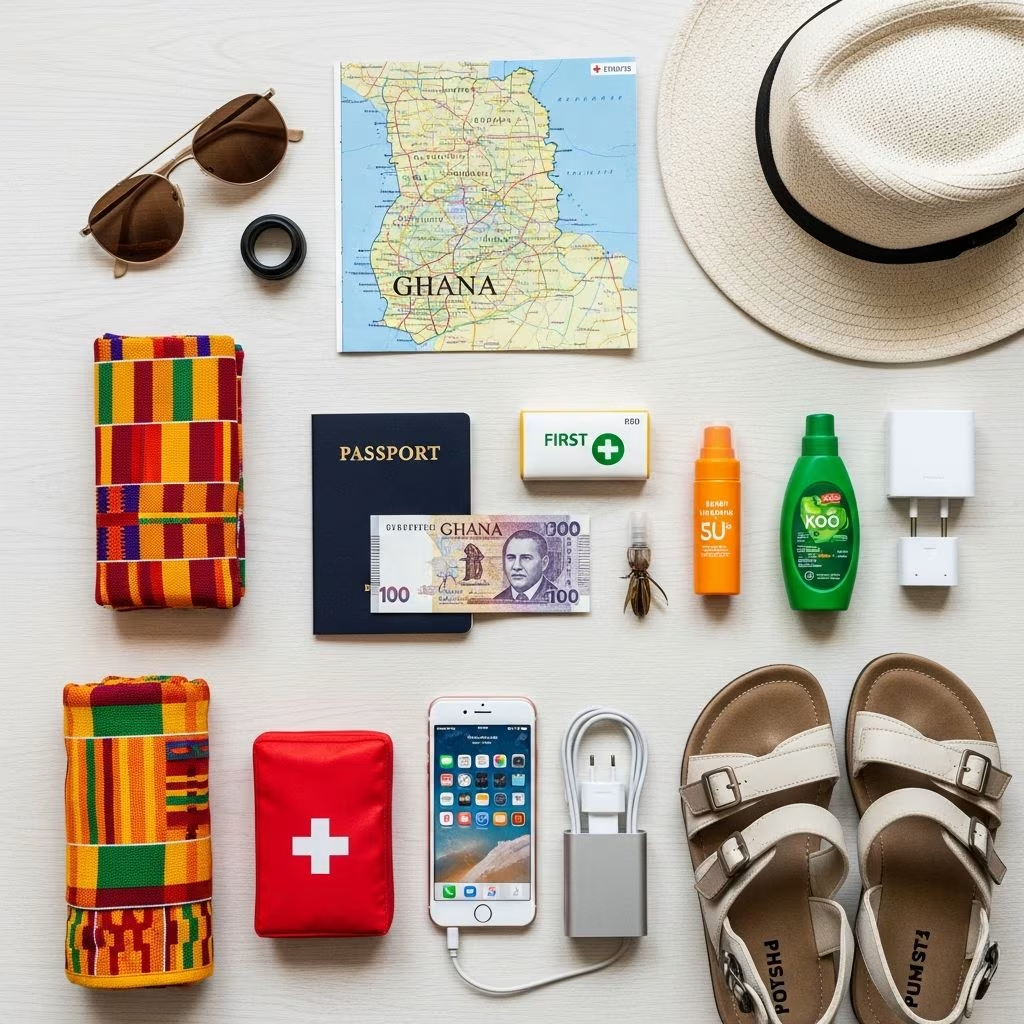
When preparing your luggage, prioritize lightweight, breathable fabrics suitable for warm, humid conditions. Cotton and moisture-wicking materials provide superior comfort compared to heavier textiles. Include the following essentials in your packing list:
Consider packing clothing you don’t mind becoming soiled, particularly if participating in volunteer activities, community engagement, or adventure sports. Ghana’s infrastructure and outdoor conditions may expose clothing to dust, mud, or wear beyond what you might experience in developed nations.
Consulting with a travel medicine specialist at least 4-6 weeks before departure ensures adequate time for vaccinations and prescription processing. Beyond yellow fever requirements, healthcare professionals typically recommend vaccinations against hepatitis A, typhoid, and routine immunizations. Malaria remains present in certain regions, particularly at lower elevations, making prophylactic medication essential regardless of your planned activities.
Water safety demands particular attention throughout Ghana. Municipal water systems in major urban centers like Accra generally meet reasonable standards, but consuming bottled or filtered water remains the safest approach for visitors. Avoid ice cubes unless you’re certain they were produced from purified water. When dining at restaurants or street food vendors, prioritize establishments where food is prepared fresh and thoroughly cooked immediately before consumption.
Ghana maintains some of Africa’s strongest healthcare infrastructure, with modern medical facilities available in Accra and other major cities. However, remote rural areas may have limited medical resources. Comprehensive travel insurance covering medical evacuation ensures access to appropriate care should serious illness or injury occur during your stay.
Ghana’s transportation landscape reflects a mix of formal and informal systems. Taxis represent the most prevalent urban transportation method, though they typically operate without metered fare systems. Always negotiate prices before entering vehicles to avoid disputes. Ride-hailing applications including Uber and local alternatives provide reliable alternatives in major cities, offering transparent pricing and accountability.
Long-distance travel between cities utilizes various options including coaches, buses, and shared minivans known locally as “tro-tros.” These colorful vehicles transport passengers along established routes, picking up and dropping off passengers throughout their journeys. While tro-tros offer authentic cultural experiences and affordable fares, they often operate with minimal adherence to safety standards and can become uncomfortably crowded during peak travel periods.
Ghana maintains a reasonably developed road network connecting major population centers and tourist destinations. However, road conditions vary considerably, with rural routes sometimes featuring unpaved surfaces or inadequate maintenance. Exercise caution during nighttime driving, as vehicle lighting standards may differ from your home country, and some drivers operate without proper licensing.
Ghanaian cuisine reflects diverse regional influences and agricultural traditions, offering visitors authentic flavors unavailable elsewhere. Staple dishes vary across geographic regions, with cassava and plantains dominating southern cuisine while millet provides primary sustenance in northern regions. Common preparations include jollof rice, waakye (beans and rice combination), banku (corn and cassava paste), and fufu (pounded plantain or cassava).
Street food vendors provide affordable meal options, though visitors with sensitive digestive systems should exercise caution regarding preparation conditions and ingredient freshness. Tilapia represents the primary fish throughout coastal and central regions, appearing in numerous traditional preparations. Markets throughout Accra and other cities showcase seasonal produce and locally-sourced ingredients reflecting Ghana’s agricultural calendar.
Western food establishments operate throughout major cities, but embracing local culinary traditions provides deeper cultural immersion and more economical dining experiences. Spice levels in traditional preparations can be considerable, so communicate your preferences clearly when ordering.
Ghanaian society places strong emphasis on respect, hospitality, and adherence to traditional customs. Learning basic greetings in regional languages—particularly Twi in many central and southern areas—demonstrates cultural consideration and often generates warm responses from local populations.
When photographing local residents, always request permission first, as many people prefer maintaining control over their image representation. Dress modestly, particularly when visiting villages, religious sites, or cultural centers. Exposed shoulders, excessively short skirts, or revealing clothing may offend traditional sensibilities.
Handshake customs and greeting protocols vary among different ethnic groups and regions. Generally, greeting elders and individuals of apparent social standing with formal respect generates positive interactions. Avoid pointing directly at individuals, as this gesture carries negative connotations in many West African societies.
Ghana’s official currency is the Ghanaian Cedi (GHS). While major hotels, restaurants, and retailers in Accra accept credit cards, many establishments outside primary urban centers operate on cash-only bases. ATMs distributing local currency appear throughout cities and towns, though their availability decreases significantly in remote areas.
Exchange rates fluctuate regularly, so check current rates before departure and monitor developments during your stay. Banks and licensed currency exchange services typically offer better rates than hotels or informal money changers. Notify your bank of your travel dates to prevent fraud detection systems from blocking your cards during international transactions.
Ghana protects over 16 designated nature reserves and national parks showcasing diverse wildlife and ecosystems. Mole National Park in the northern region hosts impressive large mammal populations including elephants, antelopes, and buffalo. Kakum National Park in the central regions features rainforest canopy walks and primate viewing opportunities.
These protected areas harbor more than 40 large mammal species, nearly 200 bird varieties, and over 1,000 butterfly species, making Ghana attractive for wildlife enthusiasts and nature photographers. Biodiversity varies seasonally and geographically, with expert guides enhancing wildlife observation success rates considerably.
Ghana operates on 230 volts, 50 Hz electrical current using type G (British-style) plugs. Visitors from regions with different voltage standards require appropriate adapters or converters. Mobile phone networks provide excellent coverage throughout populated areas, with multiple providers offering competitive rates for local SIM cards or international roaming plans.
English functions as Ghana’s official language and primary medium of business and education. However, regional languages including Twi, Ga, Hausa, and Yoruba are widely spoken. Learning basic phrases in local languages demonstrates respect and facilitates positive interactions with residents.
Ghana recognizes multiple religious traditions including Christianity, Islam, and traditional African religions. Respect religious sites and observances during your visit, dressing appropriately when entering mosques, churches, or shrines.
The dry seasons—November through March and mid-July through August—generally provide optimal travel conditions with lower humidity and reduced rainfall. However, each season offers distinct advantages; rainy periods see fewer tourists and lush green landscapes.
First-time visitors benefit from 10-14 days allowing adequate time for Accra exploration, historical site visits, wildlife viewing, and coastal relaxation without excessive rushing.
Ghana offers reasonable value compared to many African destinations, with accommodation, dining, and activities available across various budget levels. Budget travelers can live comfortably on moderate daily expenditures, while luxury experiences command premium prices.
Professional guides substantially enhance experiences at historical sites, national parks, and cultural villages by providing context, facilitating interactions, and ensuring visitor safety. Reputable tourism agencies arrange qualified, vetted guides.
Consult your travel medicine provider about hepatitis A, typhoid, and routine immunizations. Specific recommendations depend on your travel itinerary and personal health history.
