

 Travel Essentials
 Travel Essentials

A comprehensive guide to Gibraltar covering its iconic Rock, historical significance, outdoor activities, and practical travel information for visitors.
 Travel Essentials
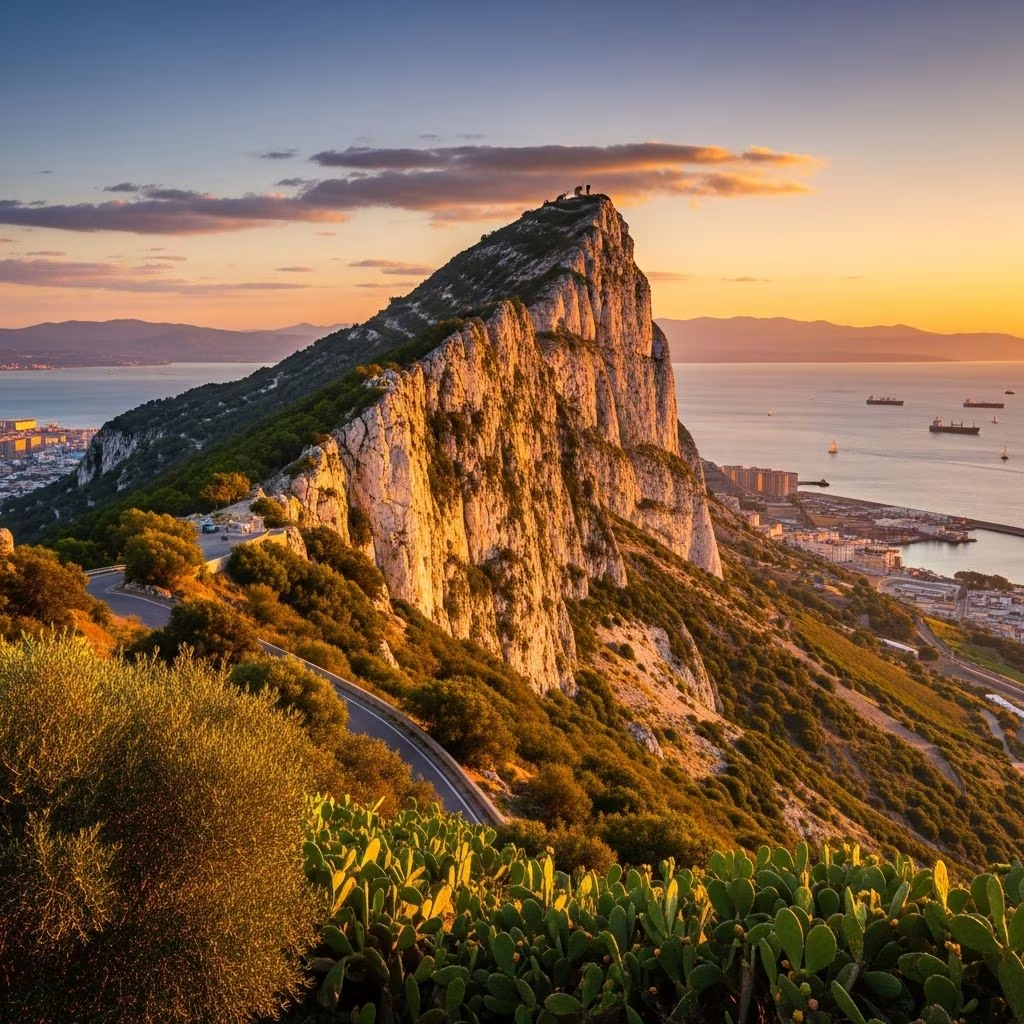
Nestled at the convergence of Europe and Africa, Gibraltar stands as one of the Mediterranean’s most intriguing destinations. This British Overseas Territory, perched on Spain’s southern coast, has captivated explorers and travelers for centuries. With its dramatic limestone monolith rising 426 meters above sea level, exceptional historical significance, and compact yet enriching atmosphere, Gibraltar offers an extraordinary blend of cultural heritage, natural beauty, and modern convenience that makes it an ideal destination for both short visits and extended exploration.
Gibraltar occupies a strategic position along the Strait of Gibraltar, one of the world’s most important maritime passages. The territory’s geographic location means that on clear days, visitors can observe the African continent just nine miles across the water, creating a tangible sense of proximity to two continents. This unique positioning has shaped Gibraltar’s history, economy, and cultural identity throughout the centuries.
The territory benefits from exceptional accessibility for modern travelers. Gibraltar maintains its own airport, which has become increasingly popular with British visitors seeking to avoid post-Brexit complications associated with mainland European travel. Additionally, the nearby airports in Málaga and Jerez, located just 1.5 to 2 hours away by road, provide alternative entry points. International bus services regularly operate routes from across Spain, with convenient drop-off points just outside passport control. The combination of multiple transportation options makes Gibraltar remarkably easy to reach from various European cities.
The Rock of Gibraltar dominates not only the landscape but also the visitor experience. This limestone formation represents far more than a geological curiosity; it embodies layers of human civilization spanning over 127,000 years. Archaeological evidence reveals that Neanderthal populations inhabited caves along the Rock’s eastern face, making Gibraltar one of Europe’s most significant sites for understanding prehistoric human habitation.
The Rock’s strategic importance evolved through successive civilizations. Ancient Phoenician and Carthaginian traders, seafaring merchants who controlled Mediterranean commerce from roughly 800 to 200 BC, utilized the caves as sacred spaces and places of worship. The Romans, recognizing the Rock’s geographical prominence, incorporated it into their cosmological framework, naming it Mons Calpe and designating it as one of the two Pillars of Hercules—mythological markers representing the boundary of the known world.
This rich historical legacy continues to attract scholars, history enthusiasts, and curious travelers who wish to understand how geography shapes human civilization. The Rock’s narrative spans from prehistoric survival to classical antiquity, medieval conquest, and modern geopolitical significance.
Reaching the Rock’s summit offers visitors several options suited to different fitness levels, time constraints, and preferences. The most convenient method involves the cable car system, which completes the journey to the top in approximately six minutes. However, this popular option comes with considerations: lengthy queues frequently form during peak tourist seasons, and the service does not operate during adverse weather conditions. The return fare costs £19, making it a moderate investment for those prioritizing convenience over physical exertion.
For visitors seeking a more immersive experience, hiking presents an attractive alternative. The Mediterranean Steps trail requires approximately 45 minutes of walking and delivers hikers directly to the summit while providing increasingly impressive panoramic views of both Spain and the African coast. The Douglas Path offers another established hiking route, weaving through the landscape with scenic vistas throughout the journey and connecting the summit to the main town. Those with additional time can explore multiple trails, including the Purple and Green loops, which allow comprehensive exploration of the nature reserve’s most scenic sections.
For travelers seeking a compromise between physical exertion and independent exploration, guided car tours provide a middle-ground option, though hiking is generally considered the optimal method for experiencing the Rock’s majesty. Regardless of the chosen route, visitors are advised to start early in the morning when the nature reserve opens, typically around 9 AM, to maximize daylight hours and complete multiple trails if desired.
Beyond the Rock itself, Gibraltar’s natural landscape provides abundant attractions for outdoor enthusiasts and nature lovers. The Upper Rock Nature Reserve encompasses multiple habitats and points of interest that reveal the territory’s ecological and cultural significance. St. Michael’s Cave, accessible through various routes on the Reserve, offers visitors an opportunity to witness the geological formations and understand the historical significance of caves throughout Gibraltar’s past.
The nature reserve has achieved international recognition for harboring a unique population of Barbary macaques, commonly referred to as the Apes of Gibraltar. These primates, which represent the only wild monkey population in Europe, attract significant visitor interest and provide opportunities for wildlife observation and photography. The Apes’ Den area offers designated viewing locations where visitors can observe these animals in their natural habitat while maintaining appropriate safety distances.
The Alameda Gardens provide a contrasting natural experience, offering botanical beauty and cultivated landscapes that complement the rugged mountainous terrain. The Mediterranean Steps themselves function as both a hiking trail and a natural attraction, combining physical activity with environmental immersion. Multiple established trails throughout the nature reserve—including Inglis Way, Royal Anglian Way, and others—allow visitors to customize their outdoor exploration according to personal preferences and physical capabilities.
Gibraltar’s strategic military significance has left indelible marks on the landscape and cultural consciousness. The Great Siege Tunnels represent a remarkable engineering achievement and historical testament, constructed during the 18th century when Gibraltar faced military siege. These tunnels, carved into the Rock itself, offer visitors a tangible connection to the territory’s dramatic military past and are consistently rated as essential historical sites by experienced travelers.
World War II infrastructure equally captivates historically-minded visitors. The WWII Tunnels, another underground marvel, reveal how military necessity drove engineering innovation during the 20th century’s defining conflict. These subterranean passages provide profound insights into how geography and geology contributed to military strategy and survival.
Additional military historical sites include O’Hara’s Battery, Gibraltar’s highest natural point located just a short walk from the upper cable car station, which offers not only historical significance but also exceptional panoramic views. The Windsor Suspension Bridge, another notable structure, combines engineering achievement with scenic beauty, representing more recent additions to Gibraltar’s collection of visitor attractions.
Gibraltar’s dining scene reflects its unique cultural position, blending British, Spanish, and Mediterranean influences. Queensway Quay, the waterfront dining district, offers an array of restaurants with marina views that combine atmospheric settings with quality cuisine. Establishments like Monique’s have earned recognition from regular visitors for providing memorable dining experiences overlooking the water. The main town’s compact size makes exploring different dining options highly accessible, with most restaurants concentrated along Main Street and nearby areas.
The territory’s culinary landscape extends beyond formal dining establishments. Local markets, cafes, and casual eateries provide authentic Gibraltarian and international options suited to various budgets and preferences. The friendly disposition of local residents often includes restaurant recommendations, making conversations with Gibraltarians particularly valuable for discovering authentic dining venues.
Despite its mountainous terrain, Gibraltar offers several beaches that provide Mediterranean relaxation and water activities. Catalan Bay stands out as a particularly appealing beach destination, combining natural beauty with a charming village atmosphere that attracts both swimmers and those seeking a more leisurely coastal experience. However, visitors should note that the bay’s geography results in the sun disappearing relatively early in the afternoon, making morning or early afternoon beach visits optimal.
Camp Bay and other coastal areas provide additional beach options for swimming, sunbathing, and water sports. The territory’s 300 days of annual sunshine make beach recreation a viable activity throughout most of the year. Europa Point, Gibraltar’s southernmost extremity, combines beach access with historical attractions, including the 19th-century Trinity Lighthouse and a striking mosque donated by Saudi Arabia’s former king, creating a multifaceted destination within easy walking distance.
The Gibraltar Museum, located near the Cathedral on Main Street, serves as the primary repository of local history and cultural heritage. The museum provides comprehensive exhibits explaining the territory’s archaeological significance, cultural development, and modern identity. Its convenient location makes it accessible for even brief visits, and its exhibits appeal to various levels of historical interest, from casual visitors to dedicated history scholars.
The museum complements other cultural attractions throughout the territory, including galleries and historical sites that collectively tell the story of Gibraltar’s transformation from a strategic military fortress to a vibrant modern destination while maintaining deep connections to its historical past.
Despite its mountainous setting, Gibraltar’s compact geography creates remarkable navigability. The main town exhibits a straightforward layout, with most significant attractions, shops, and services concentrated within walking distance. Main Street (La Calle Real) functions as the primary commercial and social thoroughfare, running much of the town’s length several blocks back from the port and hosting the majority of retail establishments, traditional British pubs, and hotels.
The hilly terrain requires consideration when planning walking routes, particularly for visitors with mobility constraints. The cable car, buses, taxis, and guided tours provide alternatives for reaching upper elevations without extensive physical exertion. This combination of walkable town center and multiple transportation options for elevated areas makes Gibraltar accessible to visitors with varying physical capabilities.
Visitors planning stays longer than a single day can pursue additional activities that enrich their experience. Dolphin-watching boat tours operate from the harbor, offering opportunities to observe marine wildlife in their natural habitat. The Gibraltar National Museum provides deeper cultural engagement for those interested in extended historical exploration. Multiple beach visits to different locations allow comparison of distinct coastal environments and atmospheres.
For unique experiences, Gibraltar has hosted notable romantic destinations, with historical records of celebrities including John Lennon, Yoko Ono, and Sir Sean Connery choosing the Rock for special occasions, including weddings that capitalize on the dramatic scenery and romantic atmosphere.
Successful visits to Gibraltar benefit from thoughtful preparation. Comfortable walking shoes are essential, given the terrain and the recommendation that the Rock be experienced primarily on foot. The numerous trails, Main Street shopping experiences, and coastal walks all favor appropriate footwear. A spirit of discovery enhances the experience, as does willingness to engage with local residents, who consistently demonstrate friendliness and provide valuable recommendations for authentic experiences.
The climate’s favorable conditions—with approximately 300 days of annual sunshine—mean that weather rarely prevents outdoor activities, though summer temperatures occasionally reach high levels, making early morning or late afternoon activities particularly comfortable during peak season. Appropriate sun protection, including sunscreen and hats, remains important despite the Mediterranean setting’s romantic associations.
How long should I plan to spend in Gibraltar?
A single day allows for core experiences including Rock exploration, museum visits, and beach time. Multi-day visits enable more relaxed pacing, dolphin watching, and comprehensive trail exploration of the nature reserve.
What is the best time to visit?
Gibraltar’s year-round climate supports visits throughout the calendar. However, shoulder seasons (spring and autumn) offer pleasant temperatures without intense summer heat, and reduced tourist crowds compared to peak summer periods.
Is Gibraltar expensive?
Dining and cable car costs represent the primary expenses. The nature reserve offers free access when entered through certain gates, allowing budget-conscious visitors to experience significant attractions without substantial expenditure.
Can I visit Spain and Morocco from Gibraltar?
Gibraltar’s location enables relatively easy access to Spanish border areas. Morocco remains more distant, requiring ferry services or extensive travel, but the proximity makes same-day excursions feasible for interested visitors.
What should I pack?
Comfortable walking shoes, sun protection, layers for variable temperatures at elevation, and a camera for capturing dramatic scenery constitute essential items. Modest clothing respects local sensibilities when visiting religious or cultural sites.
