

 Travel Essentials
 Travel Essentials

Complete guide to visiting Glacier National Park featuring hiking trails, seasonal tips, accommodation options, and essential planning information for outdoor adventures.
 Travel Essentials
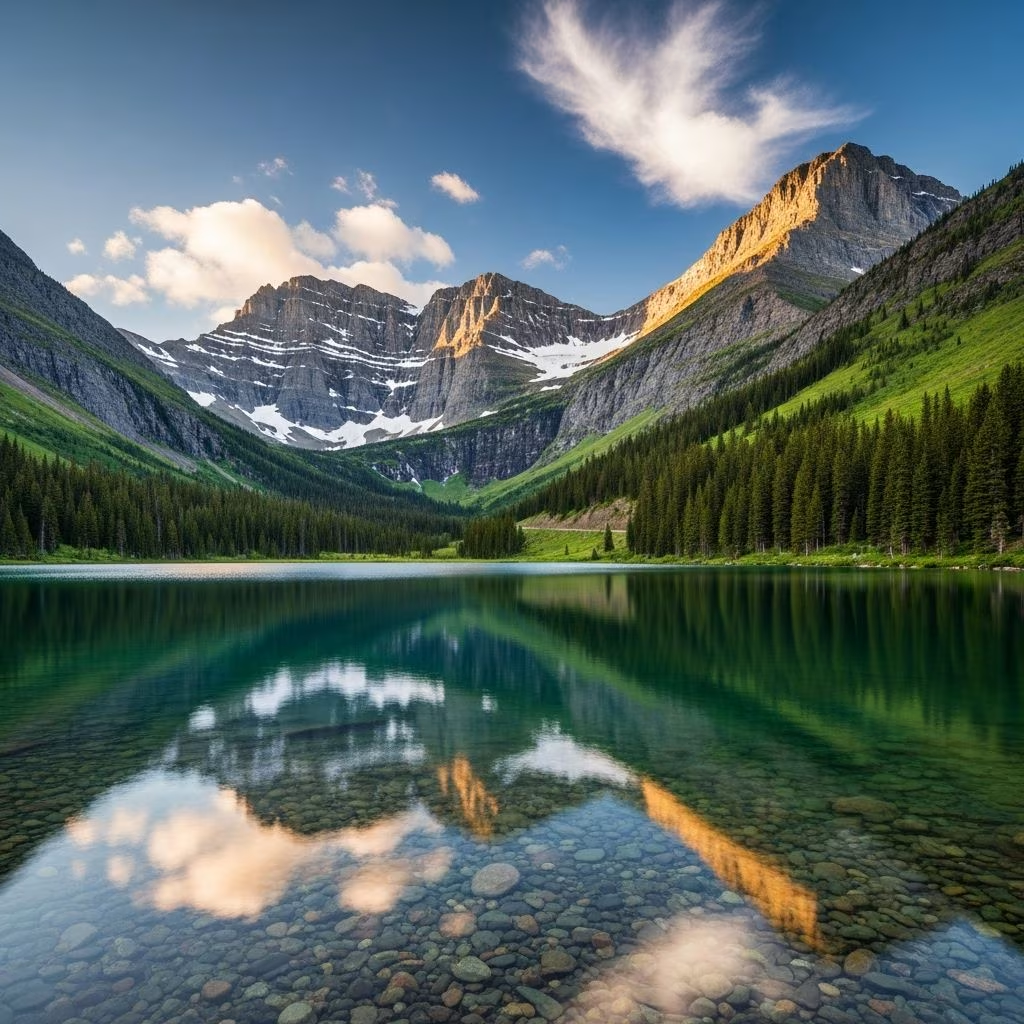
Nestled within the northern Rocky Mountains of Montana, Glacier National Park represents one of America’s most distinctive natural landscapes. Established in 1910, this 1,600-square-mile expanse showcases mountains sculpted by ancient glaciation, creating dramatic peaks, pristine alpine meadows, and cascading waterfalls. The park’s boundaries encompass diverse terrain, with the north fork of the Flathead River forming its western edge, Canadian border to the north, the Bob Marshall Wilderness to the south, and the Blackfeet Indian Reservation to the east.
The park features approximately 25 active glaciers and over 200 alpine lakes, alongside more than 1,000 miles of hiking trails. This remarkable ecosystem supports varied wildlife populations and remains relatively untouched by extensive development, with minimal road infrastructure preserving its primitive character. The landscape transitions dramatically from dense forests in lower elevations to windswept alpine tundra at higher altitudes, offering visitors distinct ecosystems within a single destination.
Visitors typically begin their Glacier experience through West Glacier, where the main visitor center operates at Apgar Village along Lake McDonald’s shoreline. This gateway provides clear directional choices: travelers can proceed northwest toward Polebridge, venture northeast past Lake McDonald Lodge toward the famous Going-to-the-Sun Road, or access Highway 2, which provides year-round but occasionally hazardous passage across the mountains.
Modern transportation logistics have evolved significantly. Glacier Park International Airport (FCA) in Kalispell, Montana, serves as the primary air gateway, located approximately 30 miles from the park. Vehicle rental remains the most practical option for independent exploration, offering flexibility for accessing diverse trailheads and scenic viewpoints. The park operates a free shuttle system along Going-to-the-Sun Road during peak season, operating on a first-come, first-served basis.
Going-to-the-Sun Road represents the park’s most iconic scenic drive, spanning approximately 50 miles between West Glacier and St. Mary while cresting the 6,600-foot Logan Pass. This engineering marvel typically opens around early July following extensive winter snow removal operations. The road’s seasonal status serves as a reliable indicator of broader park accessibility—trails above 6,000 feet elevation generally remain snow-covered until mid-July.
Highway 2 operates year-round, providing consistent access but requiring careful driving during winter months. Visitors should monitor current conditions before planning alpine hikes, as elevation dramatically influences accessibility windows throughout the year.
Recent years have brought significant changes to park access procedures. Timed entry vehicle reservations are now required for certain entrances, including Apgar and North Fork access points. These reservations can be secured through Recreation.gov and represent a crucial planning component. Visitors with accommodation bookings within the park or those participating in authorized tours typically receive pass allocations with specific entry instructions.
The “America the Beautiful National Park Pass” provides annual access to Glacier and over 2,000 other federal recreation sites. This pass can be purchased at visitor centers or online in advance, streamlining entry procedures. Many Glacier access after June requires shuttle bus reservations, also available through Recreation.gov.
Glacier offers extraordinary hiking opportunities accommodating various fitness levels and time constraints. The park’s trail system provides everything from leisurely forest walks to strenuous alpine expeditions.
The Trail of the Cedars-Avalanche Lake combination presents an excellent introductory experience spanning less than one mile on mostly flat terrain through old-growth cedar forest, with an optional continuation to Avalanche Lake adding approximately 5 miles roundtrip and 500 feet of elevation gain. This route attracts families and less experienced hikers while rewarding visitors with stunning lake views framed by towering peaks.
Two Medicine Upper Lake and Twin Falls offer flexibility through boat transportation options, reducing hiking distance while maintaining scenic rewards. The 4.4-mile route with boat access gains approximately 350 feet and provides opportunities to observe glacial geology and mountain ecosystems.
The Highline Trail represents Glacier’s quintessential high-altitude hiking experience, stretching 11.8 strenuous miles from Logan Pass Visitor Center. This full-day expedition traverses alpine meadows abundant with wildflowers, navigates rugged ridgelines, and offers frequent wildlife sightings. Experienced hikers frequently turn back at Haystack Pass for a more moderate experience.
Grinnell Glacier and Hidden Lake trails provide additional challenging routes accessing pristine glacial formations and panoramic vistas. These hikes typically require early starts to secure parking and should only be attempted by physically prepared visitors with appropriate gear.
This legendary 50-mile drive represents the park’s most photographed scenic route, connecting West Glacier to St. Mary in approximately two hours without traffic delays. The route passes several significant overlooks worth dedicated stops. Big Bend provides dramatic mountain views, Jackson Glacier Overlook showcases these formations up close, Wild Goose Island creates memorable photo opportunities, and Overland Bend offers sweeping valley perspectives.
Modern visitors can enhance this experience through guided audio tours, such as “Guide Along,” which provides personal narration throughout the drive and across additional park areas for approximately $12. This investment significantly enriches understanding of geological formations, wildlife habitat, and historical context.
Glacier accommodations range from rustic park lodges to nearby town amenities. Many Glacier Hotel, Lake McDonald Lodge, and other historic properties offer in-park lodging with varying amenities and reservation requirements. These properties often include timed entry passes with accommodation packages.
Regional towns like Columbia Falls and Kalispell provide additional options, particularly beneficial for visitors seeking restaurant variety, shopping, and services. Camping facilities throughout the park offer immersive outdoor experiences for those prepared for wilderness conditions.
The Gunsight Saloon in Columbia Falls offers local dining experiences with live entertainment, representing typical regional restaurant options. Park facilities provide limited dining options, making advance planning for meals essential, particularly during peak season when facilities reach capacity.
Summer months from July through mid-September represent the optimal visiting window when facilities operate fully, trails remain accessible, and weather enables comfortable hiking. This concentrated season produces substantial visitor volumes, necessitating advanced reservation planning.
Spring and fall offer advantages including reduced crowds, though many high-elevation trails remain snowbound or muddy. Winter transforms the park into a remote landscape with severely limited access, attracting cross-country skiers and winter-prepared adventurers. Visitors must prepare for dramatic weather variations, carrying layers and rain protection regardless of forecasted conditions, as mountain weather changes rapidly.
Glacier supports healthy populations of grizzly bears, mountain lions, elk, bighorn sheep, and numerous other species, making wildlife safety education essential. Proper food storage, making noise on trails, and maintaining appropriate distances from animals prevent dangerous encounters. Visitors should carry bear spray in grizzly habitat and understand proper response protocols for various wildlife scenarios.
Glacier’s dramatic landscapes reward dedicated photographers. Going-to-the-Sun Road provides numerous pullouts designed for scenic photography. Alpine lakes reflect surrounding peaks during morning hours, creating optimal photography conditions. Wildflower displays peak in July and August, transforming meadows into colorful panoramas.
| Planning Element | Key Information |
|---|---|
| Entry Pass | America the Beautiful Annual Pass ($80) or 7-day pass ($35) |
| Timed Reservations | Recreation.gov for vehicle entry and Many Glacier shuttle access |
| Peak Season | July-August; book accommodations 6+ months in advance |
| Road Opening | Going-to-the-Sun Road typically opens early July |
| Trail Accessibility | Above 6,000 feet often snow-covered until mid-July |
Summer (July through mid-September) provides the most complete experience with all facilities operational and maximum trail accessibility. However, this period attracts substantial crowds. Spring and fall offer fewer visitors but limited high-elevation trail access.
Yes, timed entry vehicle reservations are required for certain entrances, and Many Glacier shuttle access requires separate reservation through Recreation.gov. These should be secured well in advance during peak season.
No, Going-to-the-Sun Road closes seasonally due to heavy snow, typically opening around early July. Highway 2 provides year-round but hazardous passage across the mountains.
Trails range dramatically in difficulty. Trail of the Cedars suits families and inexperienced hikers, while Highline Trail demands significant fitness and altitude experience. Most trails require suitable footwear and weather preparation.
Historic lodges within the park, including Many Glacier Hotel and Lake McDonald Lodge, provide traditional accommodations. Columbia Falls and Kalispell offer diverse lodging and dining options just outside park boundaries.
Glacier National Park offers transformative wilderness experiences through dramatic alpine scenery, accessible hiking opportunities, and abundant wildlife observation. Success requires understanding seasonal limitations, completing necessary reservations, and preparing appropriately for mountain conditions. Whether enjoying leisurely lake-shore walks or tackling challenging alpine expeditions, Glacier rewards well-prepared visitors with unforgettable natural encounters and spectacular landscapes that exemplify the American West’s enduring wild character.
