

 Travel Essentials
 Travel Essentials

A comprehensive guide to visiting Gorée Island from Dakar, including transportation options, historical attractions, and practical travel tips for an unforgettable excursion.
 Travel Essentials
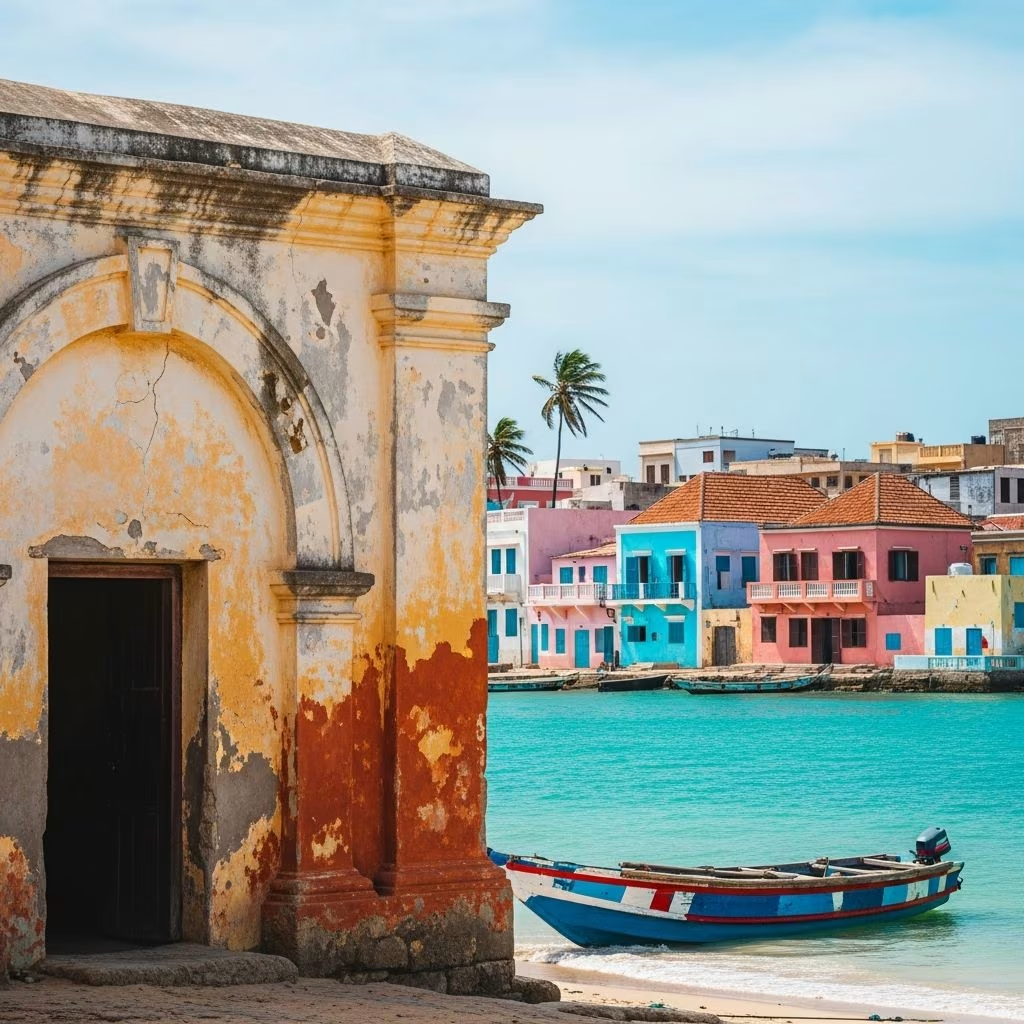
Situated approximately 3 kilometers off the coast of Dakar, Gorée Island stands as one of West Africa’s most poignant historical destinations. This small yet profoundly significant island served as a crucial transit point during the Atlantic slave trade, making it a place of deep historical importance and cultural reflection. The island’s narrow streets, pastel-colored colonial architecture, and preserved structures tell stories spanning centuries of human struggle and resilience.
The island remains accessible only by water, which has helped preserve its character and historical integrity over generations. Today, it functions as both a living community and an open-air museum, where residents coexist with visitors exploring its layered past.
Reaching Gorée Island requires taking a boat from Dakar’s port. The primary option is the direct Gorée Ferry, which departs from Dakar’s passenger terminal located at the Port Autonome de Dakar. The crossing takes approximately 20 minutes and operates on a regular schedule throughout the day.
Ferries run frequently, with departures every two hours from 7 am until midnight on weekdays. On weekends, service extends even later, with final departures at 1:15 am on Saturday mornings, accommodating both early risers and evening explorers. This consistent scheduling makes planning your visit straightforward.
Ferry tickets cost approximately 5,000 CFA (roughly USD 9) for a return trip. Tickets can be purchased directly at the terminal on the day of travel. However, travelers should be aware that a valid passport is essential—photocopies are not accepted for ticket purchase or boarding.
For those preferring comprehensive experiences, numerous travel operators offer full-day excursions combining Dakar city exploration with Gorée Island visits. These packages typically range from €80 to €136 per person and often include hotel transportation, guided tours of Dakar’s highlights, ferry passage, lunch, and entry fees to major attractions.
| Package Type | Duration | Starting Price | Typically Includes |
|---|---|---|---|
| Budget Excursion | Full day | €80 | Transport, guide, ferry, lunch, museum entry |
| Mid-range Tour | 7-8 hours | €114 | Hotel pickup, guided tours, premium lunch |
| Luxury Experience | Flexible | €136+ | Private transport, specialized guides, exclusive access |
Most comprehensive day trips begin with guided tours of Dakar’s significant attractions. The city’s historic Plateau district serves as the cultural heart, featuring architectural elements that reflect colonial heritage alongside contemporary development.
Key sites include the African Memorial Cathedral, distinguished by its Byzantine architectural style. The presidential palace, guarded by ceremonial red-uniformed guards, represents the seat of government. Independence Square showcases colonial-era buildings that create striking contrasts with modern office towers, illustrating Dakar’s architectural evolution.
The historic railway station and its adjacent spice market provide authentic windows into local commerce and daily life. The city’s corniche (waterfront promenade) offers scenic vistas while illustrating urban planning and development patterns.
The African Renaissance Monument represents contemporary civic pride and national identity, standing as one of Dakar’s most recognizable modern structures. The Ngor Island viewpoint provides perspective on the Atlantic coastline and serves as a departure point for understanding Dakar’s relationship with the sea.
Kermel Market bustles with activity and provides opportunities to observe local commerce, sample regional foods, and purchase artisanal goods. The Mosque of Divinity and Cathedral of African Memory represent the city’s religious diversity and architectural heritage.
The Maison des Esclaves (House of Slaves) stands as the island’s most emblematic structure and represents the journey’s most emotionally significant stop. Constructed around 1776, this building served as a holding facility for enslaved people awaiting transatlantic passage. Today it functions as a museum dedicated to preserving this difficult history and ensuring remembrance of those who suffered within its walls.
Visitors navigate narrow chambers and passages that illuminate the lived experiences of captive individuals. The museum experience proves both educational and deeply moving, providing context for understanding the broader Atlantic slave trade and its human dimensions.
The historic fortress now houses the Museum of Senegalese History, offering broader chronological perspectives on the region’s past beyond the slave trade era. This institution preserves artifacts and interpretive materials spanning multiple historical periods, providing layered understanding of Senegalese cultural development.
Saint Charles Church represents the island’s Christian heritage and architectural traditions. The structure itself serves as historical documentation of colonial-era religious practices and community organization patterns.
The Castel cliff area features the Gorée-Almadies Memorial monument, positioned on elevated terrain that provides sweeping Atlantic vistas. This location combines natural beauty with commemorative significance, allowing visitors to reflect while absorbing panoramic seascapes.
Gorée’s intimate street layout encourages pedestrian exploration and organic discovery. Narrow alleyways bordered by colorful colonial residences create an immersive historical atmosphere. Many buildings feature bougainvillea flowers draping facades in brilliant purples, pinks, and reds, creating picturesque scenes that photographers and artists find endlessly compelling.
These residential structures, many dating from the colonial period, have been maintained to preserve the island’s character. Walking these streets means literally moving through centuries of architectural and social history.
The island supports active communities of painters and artisans maintaining traditional creative practices. Studios open to visitors allow opportunities to observe artistic processes, purchase original works, and engage directly with creators. This cultural dimension adds contemporary vitality to the island’s historical character.
Island restaurants and cafés serve both prepared meals and refreshments. Many tour packages include lunch featuring regional cuisine, with the Chevalier de Boufflers restaurant being a popular option for organized groups. Dining on the island provides moments of respite while offering tastes of Senegalese culinary traditions.
A comprehensive Gorée Island exploration typically requires four to six hours on the island itself. Combined with Dakar city touring, a full-day excursion spanning 7-8 hours provides satisfying coverage of major attractions and allows unhurried reflection at significant sites.
Half-day options are available for time-constrained travelers, generally running from morning through early afternoon or mid-afternoon through evening.
The island’s terrain involves considerable walking on uneven surfaces and some inclines, particularly for cliff area access. Visitors should assess personal fitness levels and footwear appropriateness before departure.
Tour operators indicate accommodations for visitors ranging from infants to seniors. However, significant walking and the emotional weight of historical content should inform planning. Families with young children may benefit from organized tours providing breaks and pacing flexibility.
At minimum, three to four hours allows visits to primary museums and walking exploration. A full day enables deeper engagement with subtle details, artist interactions, and reflective time at significant locations.
The cool season (November through March) provides more comfortable conditions for outdoor exploration. The rainy season (June through September) may impact ferry reliability and visitor comfort.
While the 20-minute crossing is generally straightforward, Atlantic conditions can occasionally cause service disruptions. Travel during calmer weather months reduces this risk.
Yes, independent travelers can purchase ferry tickets and explore the island freely. Organized tours simply provide structured itineraries, professional guides, and bundled services.
Visiting Gorée Island represents more than casual tourism—it constitutes a meaningful educational and reflective experience. The island’s physical spaces contain profound historical narratives that merit thoughtful engagement. Dedicating time to absorbing museum content, considering difficult historical realities, and recognizing human resilience deepens the experience beyond surface-level sightseeing.
The combination of Dakar’s modern urban energy and Gorée’s historical preservation creates compelling contrasts that illuminate Senegal’s ongoing journey balancing contemporary development with historical consciousness.
Ferry services operate until midnight on weekdays and later on weekends, providing flexible return timing. Plan return ferry selection based on personal energy levels and the pace of your island exploration. Many visitors find late afternoon departures ideal, allowing sunset appreciation before crossing back to Dakar.
