

 Travel Essentials
 Travel Essentials

A comprehensive guide to experiencing the Grand Canyon's natural beauty, tribal heritage, and adventure activities across the North, South, and West rims over 12 days.
 Travel Essentials
The Grand Canyon stands as one of the world’s most remarkable natural landmarks, attracting millions of visitors annually who seek to experience its vast landscapes and rich cultural heritage. Beyond the typical day-trip tourist experience, a comprehensive multi-day journey through the canyon offers opportunities to explore diverse geological formations, connect with Native American communities, and engage in activities ranging from peaceful contemplation to adrenaline-pumping adventures.
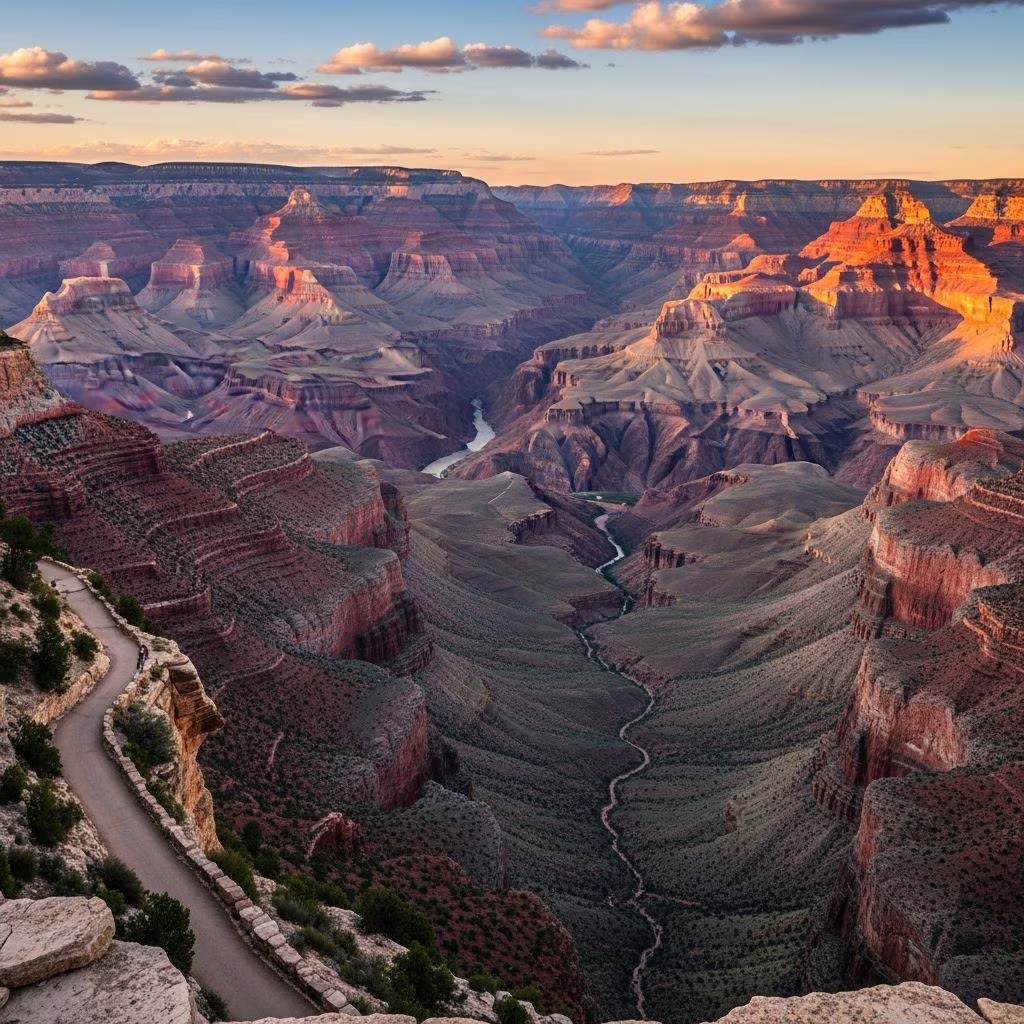
The Grand Canyon encompasses thousands of square miles of terrain, with distinct characteristics at each viewpoint and rim. The canyon’s structure reveals layers of geological history spanning nearly two billion years, with each stratum telling stories of ancient seas, volcanic activity, and erosional processes. The Colorado River, flowing 277 miles through the canyon, serves as both a geographic anchor and a pathway for exploration.
Understanding the canyon’s geography is essential for planning an optimal visit. The terrain varies significantly from the North Rim, which remains less visited and more remote, to the easily accessible South Rim, and the West Rim, which offers unique perspectives and tribal connections. Each location provides distinct vantage points, accommodation options, and activity opportunities that cater to different travel preferences and physical abilities.
Beginning your Grand Canyon journey from the eastern approach introduces you to landscapes that many visitors overlook. The Marble Canyon Lodge serves as an excellent base for exploration, featuring amenities including private airstrip access, dining facilities, and a trading post where visitors can purchase authentic Native American crafts. For those preferring more immersive cultural experiences, accommodations such as traditional Navajo Hogans and sheepherder wagons offer distinctive lodging options that connect travelers more intimately with the region’s indigenous heritage.
The Little Colorado River Gorge Navajo Tribal Park represents a crucial destination along the eastern rim, showcasing the geological contrast between limestone and sandstone formations. The gorge’s stunning visual composition reflects millions of years of erosional processes that have shaped the landscape into distinctive patterns and formations. Visitors exploring this area gain perspective on how the Little Colorado River has contributed to the larger canyon system’s development.
Native American communities maintain deep spiritual and historical connections to the Grand Canyon region. The Navajo Nation’s sacred lands encompass some of the Southwest’s most visually striking locations. Antelope Canyon, accessible through the Navajo Nation, features remarkable narrow slot canyon formations with flowing rock patterns that create otherworldly visual effects. Photography enthusiasts find these formations particularly compelling, though visits require advance booking with authorized Navajo guides to ensure respectful tourism practices and support local economies.
The Horseshoe Bend formation, located approximately fifteen minutes from Antelope Canyon, provides one of the Grand Canyon’s most iconic perspectives. The Colorado River’s dramatic curve around a towering rock promontory creates the distinctive “intimate Grand Canyon” viewpoint. This location offers multiple engagement options, including designated hiking trails and rafting opportunities for visitors seeking more active participation beyond traditional viewpoint observation.
Understanding tribal histories enriches the Grand Canyon experience considerably. The Hopi, Havasupai, Hualapai, and other indigenous nations have inhabited and shaped this region for centuries, maintaining cultural traditions and spiritual practices tied directly to the canyon’s physical and metaphysical significance. Engaging with Native American guides and educational programs provides authentic cultural context that enhances visitor understanding and appreciation.
The North Rim attracts approximately 10 percent of Grand Canyon visitors, offering a more solitary and contemplative experience compared to the South Rim’s crowds. The North Rim’s relative isolation has preserved a sense of wilderness and tranquility that appeals to travelers seeking authentic natural encounters. The landscape’s distinct characteristics, including dense forests and open plateaus, create visual and environmental experiences markedly different from other rim perspectives.
The North Rim’s infrastructure, while more limited than the South Rim, provides adequate accommodations and dining options for multi-day stays. The rim’s elevation and climate create unique ecological conditions, supporting vegetation and wildlife populations distinct from other canyon areas. Visitors to the North Rim report experiencing a deeper sense of solitude and connection to the canyon’s raw natural character.
The South Rim remains the Grand Canyon’s most visited location, accessible via multiple transportation methods including personal vehicles, shuttles, and helicopter tours. Numerous strategically positioned viewpoints provide panoramic perspectives of the canyon’s interior, each offering distinct compositional elements and visual characteristics.
The South Rim’s infrastructure supports multiple activity types, with accessibility via walking, biking, shuttle transportation, and aerial tours. This flexibility allows visitors to customize experiences based on physical capabilities and time availability. The South Rim’s visitor center provides educational resources about the canyon’s geological, cultural, and natural history.
The Colorado River presents opportunities for both thrilling whitewater experiences and peaceful water-based observation of the canyon’s towering walls and geological formations. Commercial rafting companies offer trips ranging from single-day excursions to extended multi-week expeditions, accommodating varying experience levels and time commitments.
Whitewater rafting through the Grand Canyon combines cardiovascular excitement with opportunities for quiet reflection as rafts navigate calm water sections interspersed with rapid sequences. Notable rapids named by early explorers—including Crystal, Hermit, and Lava Falls—provide distinct adrenaline experiences with varying difficulty levels. Between rapid sections, travelers encounter peaceful water passages offering time for observation, photography, and appreciation of the canyon’s towering walls and side canyons.
The West Rim area, accessible via Peach Springs on Historic Route 66, offers unique experiences available exclusively through the Hualapai Tribe’s direct Colorado River access. The Hualapai River Runners program provides whitewater rafting options ranging from single-day trips to five-day adventures, featuring rapids, calm water sections, and guided hikes to scenic destinations like Travertine Cavern Falls.
Certified Hualapai guides share tribal history, cultural perspectives, and ecological knowledge throughout river experiences. Meals prepared along the river banks, combined with wildlife observations and geologic instruction, create comprehensive educational and recreational experiences. Some tour packages include helicopter transitions from river level to the rim’s upper elevations, allowing visitors to appreciate the canyon from dramatically different perspectives within single adventures.
Beyond river rafting, the West Rim offers distinctive attractions including the Skywalk Glass Bridge, a marvel of engineering positioned 4,000 feet above the riverbed on Hualapai Ranch. This transparent walkway provides unprecedented perspectives of the canyon’s depths while creating sensations of suspended flight. The ranch also features traditional cowboy activities including wagon rides, horseback riding, and roping demonstrations for visitors interested in Old West experiences.
The West Rim Zip Line allows adventurous travelers to traverse the landscape while suspended high above the terrain, offering both thrilling sensations and unique canyon vistas. These various activities accommodate different comfort levels and thrill preferences, ensuring all visitors can find engaging activities regardless of physical capabilities or risk tolerance.
Successful Grand Canyon experiences require thoughtful consideration of personal physical capabilities. Hiking trails range from gentle rim-level walks to strenuous backcountry routes requiring significant stamina and technical hiking skills. Visitors should honestly assess fitness levels and select activities accordingly. Proper hydration, sun protection, and appropriate footwear become essential for comfort and safety.
The Grand Canyon’s climate varies dramatically by season and elevation. Summer temperatures at lower elevations exceed 110 degrees Fahrenheit, while North Rim elevations cool to comfortable ranges. Winter weather can create hazardous conditions in elevated areas, with snow and ice affecting road access. Spring and fall offer moderate temperatures and clearer visibility for photography and observation.
Visitors can select from diverse accommodation types matching different preferences and budgets. Lodge-based stays offer comfort and amenities, while camping experiences provide budget-friendly alternatives with deeper immersion in natural environments. Cultural accommodations such as Navajo Hogans offer unique opportunities to experience indigenous architectural traditions and lifestyle patterns.
A twelve-day Grand Canyon itinerary allows sufficient time to experience multiple rim perspectives, engage with cultural resources, participate in adventure activities, and simply sit in quiet observation of the landscape’s majesty. Days can be allocated across eastern, northern, southern, and western regions, with activity intensity balanced according to personal preferences.
Success requires advance reservations for popular activities, particularly whitewater rafting trips and helicopter tours that maintain limited daily availability. Guided experiences enhance understanding significantly compared to independent exploration. Engaging tribal guides specifically provides authentic cultural education and supports Native American communities economically while enhancing visitor experiences.
Spring (April-May) and fall (September-October) offer moderate temperatures and clear visibility. Summer attracts crowds but provides maximum daylight hours, while winter limits North Rim access due to snow.
Yes, the Navajo Nation requires permits for hiking on tribal lands, obtainable during business hours at designated permit offices near popular trailheads.
Yes, commercial outfitters offer trips for all experience levels. Single-day trips with calm water sections accommodate those seeking introductory experiences.
Most South Rim viewpoints are accessible via vehicle, though some require short walks. North Rim requires driving through Arizona’s North Kaibab area, a longer journey than South Rim access.
Visiting tribal lands with authorized guides, learning tribal histories from native interpreters, and viewing authentic Native American crafts at trading posts provide valuable cultural engagement.
