

 Travel Essentials
 Travel Essentials

Comprehensive guide to rafting the Grand Canyon: Choose trips, prepare gear, understand rapids, and book with authorized outfitters for an unforgettable river expedition.
 Travel Essentials
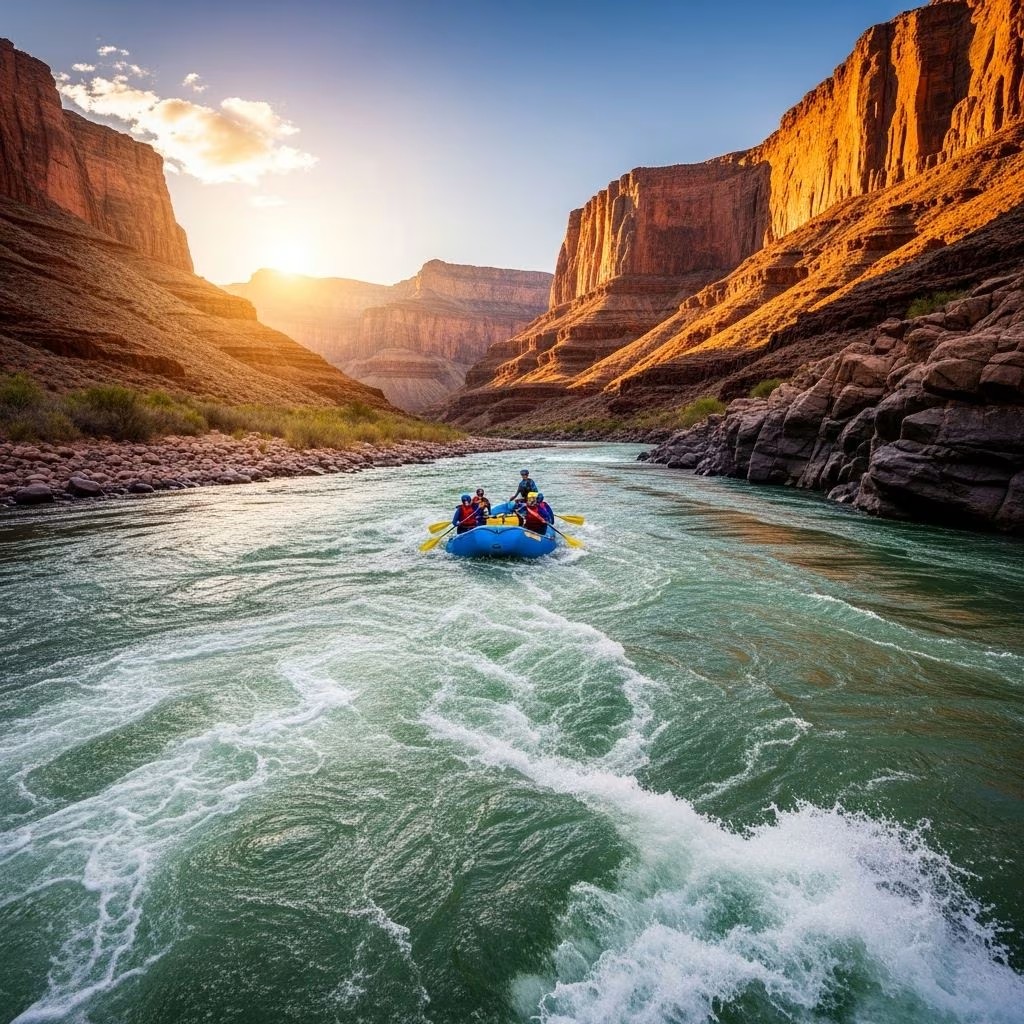
Embark on one of the world’s most exhilarating adventures by rafting through the Grand Canyon on the Colorado River. This iconic journey spans up to 280 miles of dramatic landscapes, intense rapids, and profound natural beauty, drawing around 27,000 adventurers annually. Whether you’re a first-timer or seasoned rafter, guided commercial trips offered by National Park Service (NPS)-authorized outfitters ensure safety and immersion in this UNESCO World Heritage site.
Grand Canyon rafting trips vary in length and starting points to suit different schedules and thrill levels. The full river course from Lees Ferry (Mile 0) to Pearce Ferry covers 280 miles over 15-18 days, immersing you in Marble Canyon, the Inner Gorge, and every major rapid. Shorter options allow focused experiences on specific sections.
Partial trips often require hiking in or out with 20-30 lbs of gear plus food and water over 4,500 feet elevation change, demanding high fitness. The Colorado River features about 250 rapids across 277 miles, averaging nearly one per mile.
Choose between motorized rafts for speed and comfort or human-powered options for intimacy. NPS permits 16 concessioners offering diverse vessels.
| Boat Type | Size & Capacity | Propulsion | Best For |
|---|---|---|---|
| Motorized Rafts | 33-38 ft, up to 15 guests + guide | 4-stroke outboard motors | Shorter trips (3-7 days), families, less active travelers; covers more distance quickly |
| Oar Rafts | 18 ft inflatable, self-bailing, 4 guests + guide | Guide rows manually | Immersive experiences, side hikes, slower pace with more exploration time |
| Dories | Hard-hulled, smaller | Guide rows | Thrill-seekers wanting agile handling through big waves; crafted for precision |
Motor trips suit those prioritizing efficiency, while oar and dories offer low guest-to-guide ratios (often 4:1) and organic canyon bonding. Only guides operate boats; passengers assist on paddle rafts if available.
Rafting season runs April to October, aligning with warmer days essential for drying off after repeated rapid dousings. Spring flows peak with snowmelt for bigger waves, while summer offers stable conditions but higher crowds. Aim for May-June or September-October to balance water levels, temperatures, and visitation. Even with rain suits, expect to get soaked—exhilarating yet chilling without proper layers. Nighttime temps drop, so pack for variable canyon microclimates.
Outfitters provide rafts, meals, and group gear, but personal items are key. Pack light for hikes; use waterproof bags.
For hike-in trips, limit to 20-30 lbs. Guides train rigorously, memorizing 130+ rapids (many Class 10 on the Grand Canyon scale). Prep physically with cardio, strength training, and hikes carrying weight.
Select from 16 NPS-vetted concessioners for trips from 3-18 days. Companies like OARS specialize in non-motorized for 55+ years. Book 6-12 months ahead; lotteries govern private permits, but commercial trips are accessible. Costs vary by duration and type—full trips run $4,000-$7,000/person. Guides hail from diverse backgrounds, united by canyon passion.
The Grand Canyon boasts 250+ rapids, from playful riffles to monsters like Lava Falls. Guides scout, read water, and position boats expertly. Safety briefings cover swims, life jackets, and signals. Risks include flips (rare on commercial trips) and heat exhaustion—hydration is critical. Follow Leave No Trace: pack out waste, respect ruins.
Nights under stars at sandy beaches with kitchens rigged by guides. Meals feature hearty fare: breakfast burritos, Dutch-oven dinners, fresh salads. Days blend rafting (4-8 hours), hikes to petroglyphs/waterfalls, and downtime stargazing. Tipping 8-10% on the last night rewards guides’ expertise.
Build fitness: Train for 7-10 mile hikes with elevation. Read river guides or books for context. Consult outfitters for custom advice. Mental prep: Embrace unpredictability—rain, wind, or calm. Around 22,000 join commercial trips yearly vs. 5,000 private.
April-October, ideally May-June or September for optimal flows and weather.
No—guides handle everything; basic fitness suffices.
$3,000-$7,000 depending on length and boat type; includes all but personal gear and tips.
Yes, typically 8+ for motorized, 12+ for oar/dories; check outfitter policies.
Opt for full-canyon motorized trips avoiding hikes.
Rafting supports conservation—NPS manages for sustainability. Honor Ancestral Puebloan sites; no collecting artifacts. Minimal impact camping preserves this irreplaceable wilderness.
This adventure transforms perspectives, blending adrenaline with awe. With planning, it becomes a pinnacle life experience.
