

 Travel Essentials
 Travel Essentials

Explore Grand Canyon West's iconic Skywalk, river rafting, and Hualapai traditions. Visit Eagle Point and Guano Point while contributing to the Tribe's self-sufficient economy on their sovereign reservation.
 Travel Essentials
Grand Canyon West stands as a premier destination on the Hualapai Indian Reservation, offering visitors breathtaking vistas, adrenaline-pumping activities, and deep dives into Native American traditions. Unlike the more crowded South Rim of Grand Canyon National Park, this West Rim location provides a unique, Tribe-managed experience that directly supports the Hualapai people’s self-sufficiency.
Established in 1883, the Hualapai Reservation spans about one million acres across northern Arizona’s Coconino, Yavapai, and Mohave counties. Home to over 1,600 residents, including around 1,353 to 2,400 tribal members, this sovereign nation thrives independently. The name “Hualapai” translates to “People of the Tall Pines,” reflecting their diverse landscape from 1,500-foot river elevations to 7,300-foot Aubrey Cliffs, encompassing grasslands, forests, and rugged canyons.
The Tribe views the Grand Canyon and Colorado River as living spiritual entities in an eternal cosmic circle. Grand Canyon West, their flagship enterprise, welcomes guests to connect with this worldview while generating revenue for community programs. Activities here emphasize cultural respect, ensuring tourism bolsters rather than exploits their heritage.
Grand Canyon West features several must-see landmarks, each blending natural splendor with Hualapai storytelling. Key sites include Eagle Point, Guano Point, and the renowned Skywalk.
The Skywalk, a horseshoe-shaped glass bridge extending 70 feet over the rim, lets visitors peer 4,000 feet down without safety rails—managed entirely by the Hualapai Tribe on their lands, about 250 miles from the national park’s South Rim.
Beyond viewpoints, Grand Canyon West delivers heart-racing options tailored for all ages.
| Activity | Description | Highlights |
|---|---|---|
| Skywalk | Glass-bottomed cantilever bridge | 360-degree views; no personal items allowed |
| Zipline at Hualapai Point | High-speed ride over canyon edges | Adrenaline rush with tribal-guided safety |
| Helicopter & Pontoon Tours | Aerial and boat excursions | Land on river floor; eagle’s-eye canyon scans |
| River Rafting | 1-2 day whitewater trips | 40-mile journeys with rapids and history |
Hualapai River Runners, the Tribe’s own outfitters, lead rafting from Peach Springs, navigating class IV rapids and serene stretches where guides share ancestral sites and ecology. Airplane tours and arcades add family-friendly variety.
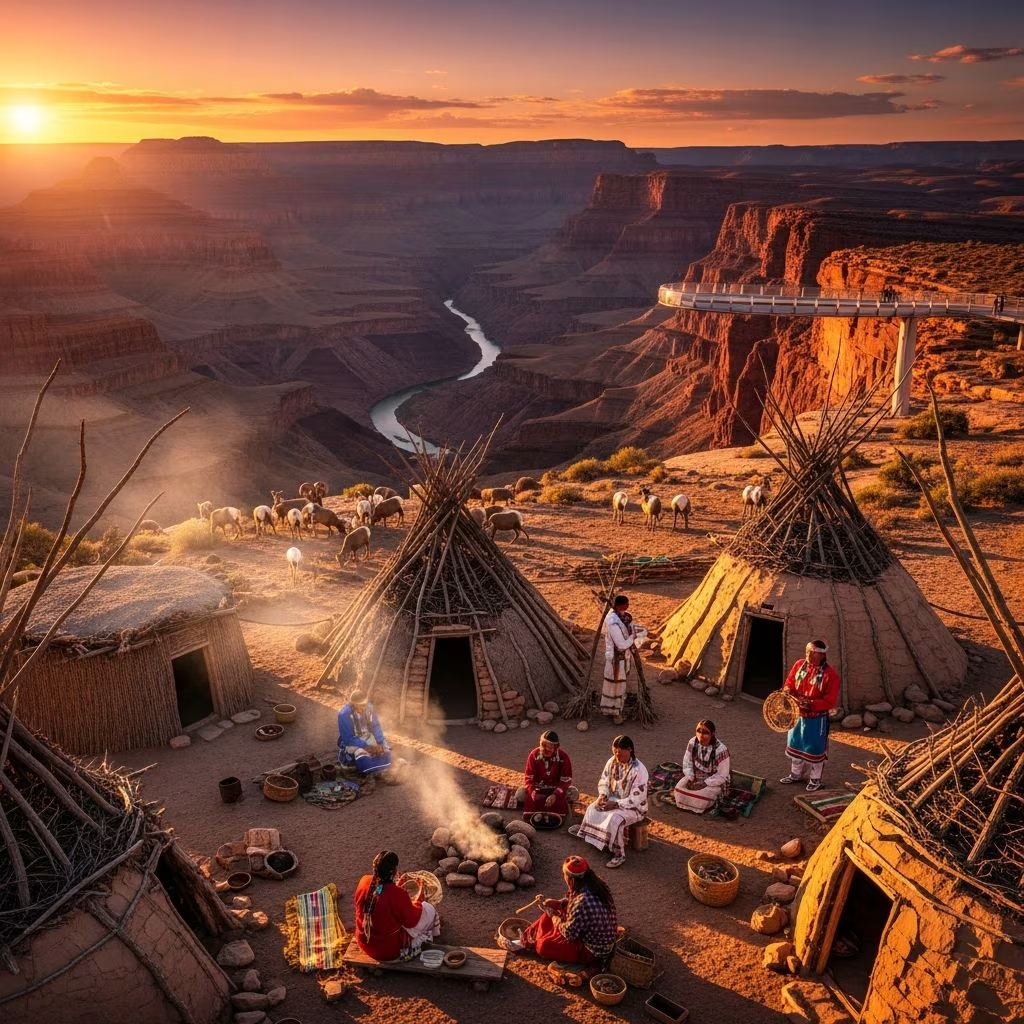
Cultural experiences elevate a visit beyond scenery. At the Native American Village near Eagle Point, self-guided tours showcase dwellings from Hualapai, Navajo, Hopi, Havasupai, and Plains tribes—debunking myths like universal teepee use. Explore ovens, sweat lodges, and architecture revealing each group’s adaptive ingenuity.
Hualapai Bird Singers perform at Eagle Point, their chants embodying the interconnected universe. Women and men of all ages share songs before or after Skywalk walks, fostering guest-tribe bonds. At Hualapai Point, tribal historians guide dusty street walks, exhibits, and markets like Hwal’bay Trading Post and Native Hands, where artisans sell handmade jewelry and crafts.
Walapai Trading Post hosts “Crafting Hualapai Tribal Creations” Sundays through Tuesdays, allowing direct interaction with Tribe Ambassadors. These elements ensure visitors grasp the Canyon’s spiritual significance to the Hualapai, who have stewarded it for centuries.
Access Grand Canyon West via a scenic two-hour drive from Peach Springs, AZ, or organized tours from Las Vegas. Entry includes an All-Access Pass covering multiple sites; special packages like “The Grand Escape” bundle Skywalk access for free with select bookings.
As sovereign land, photography rules apply—respect no-photo zones during performances. Support the Tribe by purchasing authentic souvenirs, directly funding community initiatives.
Choosing West over the national park means entering Hualapai territory, where every dollar sustains sovereignty. From big-game hunts like desert bighorn sheep to river adventures, the reservation is an outdoors paradise. Tours from Las Vegas often incorporate cultural stops, making it accessible yet profound.
This destination balances preservation with sharing: the Canyon as life source, ancestral connector, and global draw. Visitors leave not just with photos, but enriched understanding of Native resilience.
No, it’s on Hualapai Tribal lands, offering a distinct alternative with exclusive attractions like the Skywalk.
Drive 2 hours from Peach Springs or join Las Vegas tours; it’s 250 road miles from South Rim.
Native Village tours, Bird Singer performances, artisan markets, and historian talks at key points.
Yes, ziplines, helicopter tours, rafting, and arcades suit various ages and thrill levels.
All operations are Tribe-owned, funding self-sufficiency and cultural preservation.
Absolutely—1-2 day trips with Hualapai guides through rapids and historic sites.
Grand Canyon West invites respectful exploration, weaving adventure with Hualapai wisdom for transformative travel.
